The Ultimate Comfort: Creamy Tomato Soup
There’s something deeply comforting about a steaming bowl of creamy tomato soup on a chilly day. This creamy tomato soup recipe delivers everything you love about classic tomato soup: rich, velvety texture, vibrant tomato flavor, and soul-warming comfort. Made with fresh tomatoes, aromatic herbs, and luxurious cream, this creamy tomato soup tastes infinitely better than anything from a can. Whether you’re pairing it with a grilled cheese sandwich or enjoying it on its own, this soup never disappoints.
What makes this creamy tomato soup truly special is the combination of fresh ingredients and simple technique that creates restaurant-quality results. The soup starts with fresh tomatoes and onions sautéed in butter, building a flavor foundation that canned soup simply cannot match. Adding chicken broth creates depth, while heavy cream and parmesan cheese contribute richness and complexity. Every spoonful of this creamy tomato soup delivers layers of flavor that satisfy both body and soul.
Why This Recipe is Special
This creamy tomato soup recipe has been perfected to achieve ideal balance between freshness and richness. Unlike versions that taste overly acidic or one-dimensional, this recipe creates complex flavor through careful layering of ingredients. The butter-flour roux provides body and helps the soup achieve silky texture, while the cream adds luxurious richness without making the soup heavy. Every element works together to create soup that tastes sophisticated yet comforting.
The addition of parmesan cheese to this creamy tomato soup sets it apart from basic recipes. Parmesan contributes savory, umami-rich depth that enhances the tomatoes’ natural sweetness. Combined with Italian herbs and fresh basil, the cheese creates a flavor profile that tastes distinctly homemade and restaurant-worthy. This isn’t just tomato soup; it’s an elevated version that impresses everyone who tastes it.
Key Ingredients Overview
Fresh tomatoes form the heart of this creamy tomato soup, providing vibrant flavor and natural sweetness. While canned tomatoes work in a pinch, fresh tomatoes create brightness and depth that canned versions cannot match. Roma or San Marzano tomatoes offer the best balance of sweetness and acidity, with meaty texture that breaks down beautifully when cooked. The quality of your tomatoes directly impacts the final soup’s flavor.
Heavy cream transforms good tomato soup into exceptional creamy tomato soup with its rich, velvety texture. The cream balances the tomatoes’ natural acidity while adding luxurious mouthfeel. It also helps carry flavors across your palate, making each spoonful more satisfying. Don’t substitute milk or half-and-half; the higher fat content in heavy cream is essential for achieving the signature silky texture.
Understanding What Makes Perfect Creamy Tomato Soup
The science behind exceptional creamy tomato soup involves understanding how to balance acidity, create proper texture, and layer flavors effectively. Tomatoes are naturally acidic, which gives them brightness but can taste sharp without proper balance. The butter, cream, and touch of sugar work together to round out the acidity, creating harmonious flavor. The parmesan adds savory notes that make the soup taste more complex and satisfying.
Creating velvety texture in creamy tomato soup requires proper emulsification of fat and liquid. The butter-flour roux acts as a thickening agent that also helps stabilize the emulsion between the tomatoes and cream. Blending the soup thoroughly breaks down any remaining tomato pieces and creates smooth consistency. This combination of techniques ensures your soup achieves that signature restaurant-quality silkiness.
The Role of Each Ingredient
Butter serves multiple purposes in this creamy tomato soup beyond adding richness. It’s the cooking fat for the onions, creating the aromatic base for the entire soup. Butter also combines with flour to create a roux that thickens the soup and gives it body. Using real butter rather than oil contributes to the soup’s luxurious mouthfeel and helps carry flavors throughout.
Onions provide essential aromatic depth that prevents this creamy tomato soup from tasting one-dimensional. The sweet, savory notes of sautéed onions create complexity and balance the tomatoes’ acidity. Cooking the onions until soft and translucent releases their natural sugars, adding subtle sweetness that enhances the overall flavor profile. Never skip the onions; they’re fundamental to well-rounded soup.
How Cream Creates Silkiness
Heavy cream contributes more than just richness to this creamy tomato soup. The fat in cream coats your palate, creating smooth, luxurious mouthfeel with every spoonful. Cream also helps mellow the tomatoes’ acidity, preventing the soup from tasting harsh or sharp. The emulsification between cream and tomato creates stable, velvety texture that distinguishes homemade soup from store-bought versions.
Temperature control matters when adding cream to this creamy tomato soup. Adding cream to boiling soup can cause it to curdle or separate. Always reduce heat to low before stirring in cream, and add it gradually while stirring constantly. This gentle incorporation ensures smooth, stable emulsion that won’t break or develop an unpleasant texture.
Choosing the Right Ingredients for Creamy Tomato Soup
Quality ingredients make a tremendous difference in your creamy tomato soup results. Start with ripe, in-season tomatoes whenever possible. Summer tomatoes at peak ripeness deliver the best flavor, though good-quality Roma or San Marzano tomatoes work year-round. The tomatoes should feel heavy for their size, smell sweet and earthy, and give slightly when gently pressed. Avoid tomatoes with bruises or soft spots.
Your choice of broth significantly impacts the depth of flavor in this creamy tomato soup. Homemade chicken or vegetable stock provides the richest, most complex base. Store-bought stock works well too; choose low-sodium versions so you can control the salt level precisely. Avoid bouillon cubes, which often taste artificial and overly salty. Good-quality stock makes a noticeable difference.
Selecting Quality Dairy Products
Full-fat heavy cream is non-negotiable for this creamy tomato soup. Half-and-half or light cream lacks the fat content needed to create properly rich, velvety texture. The higher fat content also prevents curdling when the cream is added to the hot soup. Buy the freshest cream you can find and check the expiration date to ensure optimal quality.
Fresh parmesan cheese grated from a block provides superior flavor compared to pre-grated versions in this creamy tomato soup. Pre-grated cheese contains anti-caking agents that prevent smooth melting and can make the soup grainy. Buy a wedge of real Parmigiano-Reggiano and grate it yourself just before using. The investment in quality cheese pays off in flavor and texture.
Herb and Seasoning Selection
Fresh basil adds bright, aromatic notes that elevate this creamy tomato soup from simple to sophisticated. Fresh basil tastes completely different from dried, with vibrant, almost minty flavor that complements tomatoes perfectly. Add fresh basil near the end of cooking to preserve its delicate flavor and bright green color. A few torn leaves as garnish add visual appeal.
Italian herb blend typically contains oregano, basil, thyme, and rosemary in this creamy tomato soup. This combination creates classic Italian flavor that pairs naturally with tomatoes. If you don’t have Italian seasoning, use individual dried herbs in equal proportions. Fresh herbs can substitute for dried at a ratio of three to one.
Bay Leaf Importance
Bay leaves contribute subtle depth and complexity to this creamy tomato soup that’s difficult to identify but noticeable when missing. The leaves release aromatic compounds during simmering that add herbal, slightly floral notes. Always remove bay leaves before blending the soup, as they’re inedible and can damage your blender. Two leaves provide optimal flavor without overpowering.
Use dried bay leaves rather than fresh for this creamy tomato soup, as dried leaves have more concentrated flavor. Fresh bay leaves can taste slightly bitter and require longer cooking to release their aromatics. Store dried bay leaves in an airtight container away from light and heat to preserve their potency.
Step-by-Step Instructions for Perfect Creamy Tomato Soup
Creating outstanding creamy tomato soup requires attention to technique and proper timing. These comprehensive instructions guide you through every stage, from preparing ingredients to achieving that signature velvety texture. Follow each step for restaurant-quality results.
Preparing the Ingredients
Begin your creamy tomato soup by preparing all ingredients before you start cooking. Dice the onions finely so they soften quickly and blend smoothly. If using fresh tomatoes, core them and cut into large chunks. No need to peel fresh tomatoes, as blending will incorporate the skins seamlessly. Having everything ready makes the cooking process smooth and efficient.
Grate the parmesan cheese for your creamy tomato soup and set aside. Measure out the cream so it’s ready when needed. Prepare the flour and butter for the roux. This mise en place approach prevents scrambling to find ingredients while cooking and ensures nothing gets forgotten or overcooked while you’re searching for the next component.
Building the Flavor Base
Melt butter in a large, heavy-bottomed pot over medium heat for this creamy tomato soup. Once the butter foams, add the diced onions and a pinch of salt. The salt helps draw moisture from the onions, encouraging them to soften. Cook the onions, stirring occasionally, until they turn translucent and soft, about five to seven minutes. They should not brown; reduce heat if they start to color.
The moment the onions become translucent for your creamy tomato soup, add the flour to create a roux. Stir constantly for one to two minutes, allowing the flour to cook and lose its raw taste. The mixture will become paste-like and smell slightly nutty. This roux will thicken the soup and create body, so ensure the flour cooks thoroughly before proceeding.
Adding Tomatoes and Broth
Add the tomato chunks to the pot for this creamy tomato soup, stirring to coat them with the butter-onion-flour mixture. Cook for three to four minutes, allowing the tomatoes to soften and release their juices. The tomatoes will break down and become jammy, creating concentrated flavor. Stir frequently to prevent sticking.
Pour the chicken broth into the pot with your creamy tomato soup, stirring well to combine everything. Add the bay leaves, Italian herbs, salt, and pepper. Bring the mixture to a boil over medium-high heat, then reduce to a gentle simmer. The soup should bubble gently but not vigorously. Simmer uncovered for fifteen to twenty minutes, allowing flavors to meld and tomatoes to break down completely.
Taste the soup at this point in making your creamy tomato soup and adjust seasoning as needed. If the soup tastes too acidic, add a teaspoon of sugar to balance the acidity. The sugar won’t make the soup taste sweet; it simply rounds out the sharp edges and allows the tomato flavor to shine. Add sugar gradually, tasting after each addition.
Blending to Perfection
Remove the bay leaves from your creamy tomato soup before blending. Using an immersion blender directly in the pot, blend the soup until completely smooth. Move the blender around to ensure all chunks are pureed. If you don’t have an immersion blender, carefully transfer the hot soup in batches to a regular blender. Never fill a blender more than halfway with hot liquid, and hold the lid firmly while blending.
Blend the soup for at least one full minute to achieve truly silky texture in your creamy tomato soup. The longer you blend, the smoother the soup becomes. If you want extra-velvety texture, strain the blended soup through a fine-mesh sieve to remove any remaining bits of skin or seeds. This extra step creates restaurant-level smoothness.
Adding Cream and Finishing
Return the pot to low heat if you’ve transferred the soup to a blender for this creamy tomato soup. Gradually pour in the heavy cream while stirring constantly. The soup will lighten in color and become noticeably richer and more luxurious. Continue stirring until the cream is fully incorporated and the soup is heated through. Don’t let the soup boil after adding cream.
Add the grated parmesan cheese to your creamy tomato soup, stirring until it melts completely into the soup. The cheese adds savory depth and slight thickness to the final consistency. Taste again and adjust seasoning with salt and pepper as needed. Tear in some fresh basil leaves and stir gently. The residual heat will release the basil’s aromatic oils without cooking it completely.
Serving and Garnishing
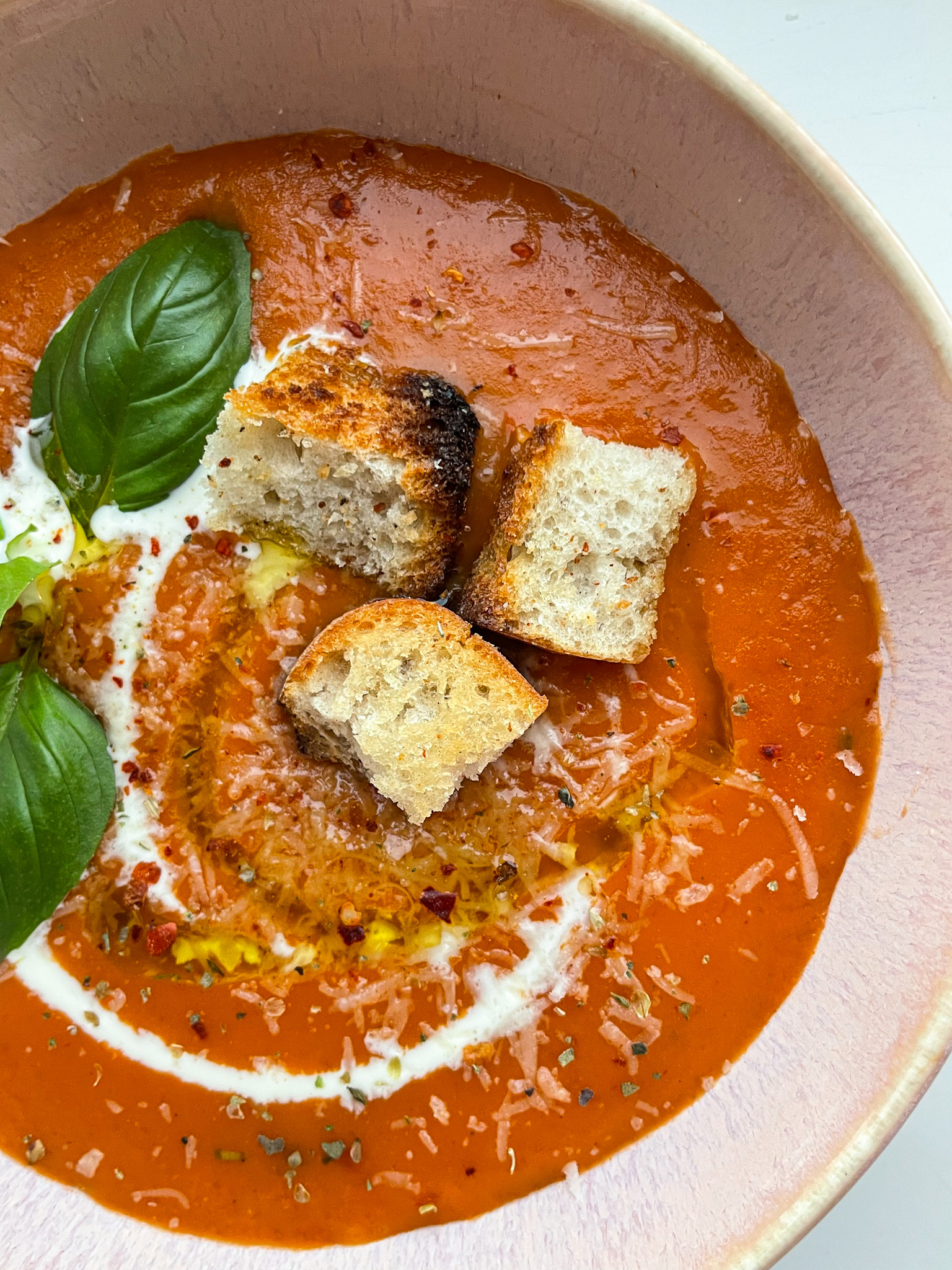
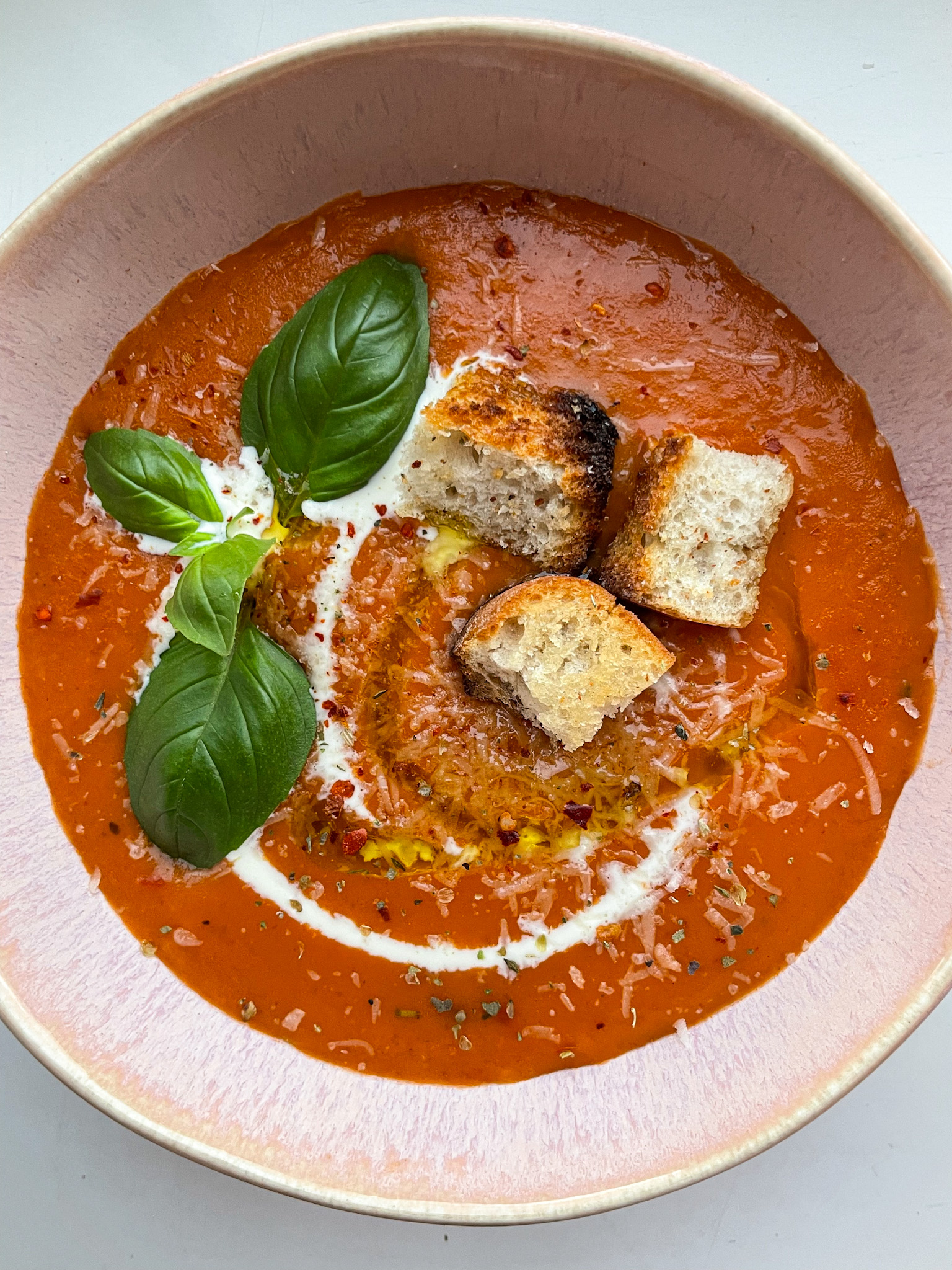
Ladle the creamy tomato soup into warm bowls for the best experience. Cold bowls will cool the soup too quickly. Garnish each serving with a drizzle of good olive oil, which adds richness and visual appeal. Sprinkle with additional grated parmesan, freshly ground black pepper, and a few small basil leaves. These garnishes add layers of flavor and create attractive presentation.
Serve your creamy tomato soup immediately with crusty bread, grilled cheese sandwiches, or garlic toast for dipping. The contrast between hot soup and crispy bread creates textural interest that makes the meal more satisfying. Provide small dishes of extra parmesan and red pepper flakes at the table for guests who want to customize their bowls.
Professional Tips for Outstanding Creamy Tomato Soup
Even experienced cooks benefit from professional techniques that elevate creamy tomato soup from good to exceptional. These tips come from testing and perfecting this recipe. Implementing these suggestions noticeably improves your results.
Achieving Perfect Consistency
The ideal consistency for creamy tomato soup should be thick enough to coat the back of a spoon but fluid enough to pour smoothly. If your soup is too thick, thin it with additional chicken broth or cream, adding liquid gradually until you reach desired consistency. If it’s too thin, simmer uncovered for several minutes to reduce and concentrate.
For extra-luxurious texture in your creamy tomato soup, add a tablespoon of butter at the very end of cooking. Swirl the butter into the finished soup just before serving. This technique, called mounting with butter, creates glossy appearance and silky mouthfeel that makes the soup taste even more indulgent.
Balancing Acidity
Tomatoes vary in acidity depending on variety and ripeness for this creamy tomato soup. Taste your soup before adding cream and assess the acidity level. If it tastes sharp or harsh, add sugar a quarter-teaspoon at a time until the flavors balance. A pinch of baking soda can also neutralize excess acidity, though use this sparingly as it can affect texture.
The cream naturally helps balance acidity in this creamy tomato soup, but sometimes additional adjustment is needed. A squeeze of fresh lemon juice at the end brightens all the flavors without adding sharpness. The acidity in lemon juice is different from tomato acidity and actually helps round out the overall taste.
Enhancing Flavor Depth
Roasting the tomatoes before making this creamy tomato soup adds incredible depth and complexity. Toss halved tomatoes with olive oil, salt, and pepper, then roast at four hundred degrees for twenty-five to thirty minutes until caramelized. The roasting concentrates flavors and adds sweet, slightly smoky notes that elevate the entire soup.
Add a splash of balsamic vinegar to your creamy tomato soup for sophisticated depth. Just a teaspoon or two adds complexity without making the soup taste like vinegar. The balsamic enhances the tomatoes’ natural sweetness and contributes subtle richness that makes people wonder what your secret ingredient is.
Creating Restaurant Presentation
For elegant presentation of your creamy tomato soup, use a squeeze bottle to drizzle cream in decorative patterns on top. Fill a small squeeze bottle with heavy cream and create swirls, dots, or zigzags on the soup’s surface. Use a toothpick to drag through the cream, creating beautiful designs that look professionally crafted.
Crispy croutons add textural contrast that makes this creamy tomato soup more interesting and satisfying. Cut bread into cubes, toss with olive oil and herbs, then bake until golden and crispy. Sprinkle warm croutons over each serving just before bringing to the table. The contrast between silky soup and crunchy croutons is delightful.
Common Mistakes to Avoid with Creamy Tomato Soup
Understanding common pitfalls helps you avoid them when making creamy tomato soup. Many of these mistakes are easy to make but equally easy to prevent once you know what to watch for.
Burning the Aromatics
Burnt onions or garlic create bitter, unpleasant flavor throughout your creamy tomato soup. Keep the heat at medium and stir frequently while cooking aromatics. If you see any browning beyond light golden, reduce heat immediately. Burnt aromatics cannot be fixed; you must start over if they burn significantly.
Watch the roux carefully in this creamy tomato soup to prevent burning. The butter-flour mixture should cook gently, turning light golden at most. Dark brown or burnt roux will make the entire soup taste bitter and acrid. Stir constantly during the roux-cooking stage and don’t rush this step.
Curdled Cream
Adding cream to boiling soup causes curdling in this creamy tomato soup, creating unpleasant grainy texture. Always reduce heat to low before adding cream. Pour the cream in gradually while stirring constantly to help it incorporate smoothly. If your soup does curdle, blend it vigorously with an immersion blender, which sometimes rescues the texture.
Using low-fat cream or milk instead of heavy cream increases curdling risk in this creamy tomato soup. The lower fat content makes these dairy products less stable when heated. Always use full-fat heavy cream for reliable results and proper richness. Don’t try to make the soup lighter by using reduced-fat dairy.
Over-Blending
While smooth texture is desirable, over-blending can make this creamy tomato soup foamy or introduce too much air. Blend just until smooth, then stop. If you continue blending excessively, the soup develops unpleasant airy texture rather than silky density. One to two minutes of blending is typically sufficient.
Be cautious when blending hot soup for this creamy tomato soup. Hot liquid expands when blended, potentially causing the blender lid to pop off and spray hot soup everywhere. Always vent the blender lid slightly and hold it firmly with a towel. Fill the blender no more than halfway when working with hot liquids.
Insufficient Seasoning
Underseasoned soup tastes flat despite quality ingredients in this creamy tomato soup. Season at multiple stages: when cooking onions, after adding tomatoes, and again after blending. Taste before adding cream and adjust as needed. Remember that cream dulls flavors slightly, so the soup should taste slightly over-seasoned before cream is added.
Don’t forget about acid and sugar balance in this creamy tomato soup. If the soup tastes dull, it might need a squeeze of lemon juice or splash of vinegar to brighten flavors. If it tastes harsh, add a bit more sugar. These adjustments make the difference between mediocre and outstanding soup.
Variations to Try with Creamy Tomato Soup
Once you’ve mastered the basic creamy tomato soup recipe, experimenting with variations keeps things interesting. These modifications maintain the essential character while adding new dimensions of flavor.
Roasted Red Pepper Addition
Add roasted red peppers to this creamy tomato soup for sweet, smoky depth. Include one or two roasted red peppers when you add the tomatoes, then blend everything together. The peppers add subtle sweetness and gorgeous color while complementing the tomatoes beautifully. This variation tastes slightly more complex and sophisticated.
Roast your own peppers for the best flavor in this creamy tomato soup, or use high-quality jarred roasted peppers. If roasting yourself, char the peppers over an open flame or under the broiler, then steam in a covered bowl before peeling. The smoky flavor from fresh-roasted peppers is incomparable.
Spicy Variations
Transform this creamy tomato soup into spicy tomato soup by adding red pepper flakes or fresh chili. Stir in half a teaspoon of red pepper flakes when adding herbs, or include a diced jalapeño with the onions. The heat balances the cream’s richness and creates warmth that’s perfect for cold days.
Smoked paprika adds both heat and smoky depth to this creamy tomato soup. Use one teaspoon of smoked paprika along with the Italian herbs for distinctive flavor. The paprika creates complexity without adding significant spice, making it perfect for those who want depth without heat.
Cheese Variations
Different cheeses create unique flavor profiles in this creamy tomato soup. Try using pecorino romano instead of parmesan for sharper, saltier flavor. Gruyere adds nutty richness that’s wonderful with tomatoes. Aged gouda contributes sweet, caramel notes. Experiment with various cheeses to find your favorite combination.
A dollop of cream cheese stirred into this creamy tomato soup creates extra-rich, tangy flavor. Add two to three ounces of softened cream cheese after blending, stirring until completely melted. The cream cheese makes the soup even more luxurious and adds pleasant tanginess that balances the tomatoes.
Herb Variations
Fresh thyme transforms this creamy tomato soup with its earthy, slightly lemony flavor. Add several sprigs of fresh thyme when you add the bay leaves, removing them before blending. Thyme pairs naturally with tomatoes and adds sophisticated herbal notes that make the soup taste more complex.
Replace the basil with fresh tarragon in this creamy tomato soup for an elegant French-inspired variation. Tarragon’s anise-like flavor creates unexpected but delightful pairing with tomatoes. Use tarragon sparingly as its flavor is quite potent. This variation tastes refined and sophisticated.
Storage and Reheating Your Creamy Tomato Soup
Proper storage ensures your creamy tomato soup stays delicious for enjoying throughout the week. Understanding optimal storage and reheating methods helps you get the best quality from this soup.
Short-Term Storage
Store cooled creamy tomato soup in airtight containers in the refrigerator for up to five days. Let the soup cool to room temperature before refrigerating, but don’t leave it out longer than two hours for food safety. The soup will thicken considerably as it cools, which is completely normal and expected.
The flavors in this creamy tomato soup actually improve after a day in the refrigerator as they meld together. Many people find the soup tastes even better the next day. The herbs and seasonings have time to infuse throughout, creating more cohesive, well-rounded flavor. Plan ahead and make the soup a day early for best results.
Long-Term Freezing
This creamy tomato soup freezes well for up to three months if frozen before adding cream. Make the soup through the blending stage, cool completely, then freeze in portions. Add cream when reheating rather than before freezing, as frozen cream can separate and develop grainy texture when thawed.
Freeze the soup in individual portions for convenient single servings of this creamy tomato soup. Use freezer-safe containers or heavy-duty freezer bags, leaving an inch of headspace for expansion. Label containers with the date and contents. Freeze flat for efficient storage and quick thawing.
Reheating Methods
Reheat creamy tomato soup gently on the stovetop for best results. Pour refrigerated or thawed soup into a pot over medium-low heat, stirring frequently. Add a splash of cream or broth if the soup seems too thick. Heat until steaming but not boiling, as boiling can cause the cream to separate.
Microwave reheating works for individual portions of this creamy tomato soup. Place in a microwave-safe bowl and heat in one-minute intervals, stirring between each interval. Don’t overheat, as this can cause the cream to separate. Microwave reheating is convenient but stovetop methods provide better texture.
Frequently Asked Questions About Creamy Tomato Soup
These common questions about creamy tomato soup come up frequently. The answers help you troubleshoot problems and understand the recipe better.
Can I use canned tomatoes?
Yes, canned tomatoes work well in this creamy tomato soup when fresh tomatoes aren’t in season. Use one twenty-eight-ounce can of whole peeled tomatoes, preferably San Marzano variety. Crush them by hand before adding to the pot. Canned tomatoes are actually preferable to out-of-season fresh tomatoes, which often lack flavor.
Is this creamy tomato soup vegetarian?
The recipe as written uses chicken broth, making it non-vegetarian. To make vegetarian creamy tomato soup, substitute high-quality vegetable broth for the chicken broth. The flavor will be slightly different but still delicious. Everything else in the recipe is already vegetarian-friendly.
Can I make this dairy-free?
Creating dairy-free creamy tomato soup requires substitutions but is definitely possible. Use coconut cream instead of heavy cream for richness, and nutritional yeast instead of parmesan for savory depth. The flavor will be different but still satisfying. Coconut cream creates lovely texture similar to dairy cream.
Why is my soup too acidic?
Excessively acidic creamy tomato soup usually means the tomatoes were very acidic or insufficient sugar was added. Balance acidity by adding sugar one-quarter teaspoon at a time, tasting after each addition. A tiny pinch of baking soda also neutralizes acidity. The cream helps balance acidity too, so ensure you’re using enough.
Can I add vegetables?
Yes, additional vegetables enhance this creamy tomato soup. Carrots add natural sweetness and nutrients. Celery contributes aromatic depth. Red bell peppers add sweetness and color. Dice vegetables finely and cook with the onions until soft. They’ll blend smoothly into the final soup.
How do I make it thicker?
Thicken thin creamy tomato soup by simmering uncovered to reduce and concentrate. Alternatively, make a small additional roux with one tablespoon each of butter and flour, then whisk it into the soup. Adding more cream also thickens while increasing richness. Cornstarch slurry works but can make texture slightly gummy.
Final Thoughts on Making Creamy Tomato Soup
Creating perfect creamy tomato soup is an achievable goal that rewards you with soul-satisfying comfort food. This recipe provides a reliable foundation that produces consistent, restaurant-quality results. The combination of fresh tomatoes, aromatic herbs, rich cream, and savory parmesan creates soup that tastes homemade in the best possible way.
Remember that this creamy tomato soup recipe is adaptable to your preferences and what you have available. Don’t be afraid to adjust seasonings, experiment with different herbs, or add your favorite vegetables. The basic technique remains the same while allowing endless personalization. Each time you make it, you’ll develop more confidence and may discover new favorite variations.
This creamy tomato soup brings comfort to cold days and creates cozy moments worth savoring. Whether you’re making it for a quick weeknight dinner, preparing it for guests, or meal-prepping for the week ahead, this soup delivers satisfaction without stress. The relatively short cooking time belies the depth of flavor achieved.
Now that you have all the information and techniques you need, it’s time to gather those fresh tomatoes and heat up your pot. Your kitchen will soon fill with the inviting aromas of sautéed onions, simmering tomatoes, and fresh basil. Before you know it, you’ll be enjoying a bowl of velvety, flavorful creamy tomato soup that tastes better than anything from a restaurant. Happy cooking!
Watch the recipe video for more clarity.
See our similar recipes:
People also like our these recipes:
- 4 fresh tomatoes
- 2 laurel leaves
- 1 onion
- Salt and pepper to taste
- 1 chicken broth cube
- 2 tbsp butter
- 2 tbsp flour
- 1/4 cup heavy cream
- 1 tsp Italian herbs
- 1/4 cup parmesan cheese
- 1/2 tsp sugar
- Fresh Basil for decoration
In a pot full of boiling water, add in the tomatoes, onion, salt and pepper, laurel leaves, chicken broth cube and let it boil for 10-15 minutes. Blend with a hand blender and let it sit.
In another saucepan, add in the butter, flour, and mix. Add in the tomato mixture and whisk.
Let the soup simmer till it thickens. If the soup is not thick yet, you can add 1 tbsp cornstarch mixed with cold water and mix while adding it.
Add in some heavy cream, salt, pepper, Italian herbs, sugar, Parmesan cheese and mix.
Serve warm with roasted bread or grilled cheese sandwich!
If you've given this recipe a try and it won you over, please share your thoughts by leaving
a rating and comment below! If you have any questions about this recipe, don't hesitate to ask – I'm here to
help and will respond promptly.