The Ultimate Guide to Making Copycat Levain Cookies at Home
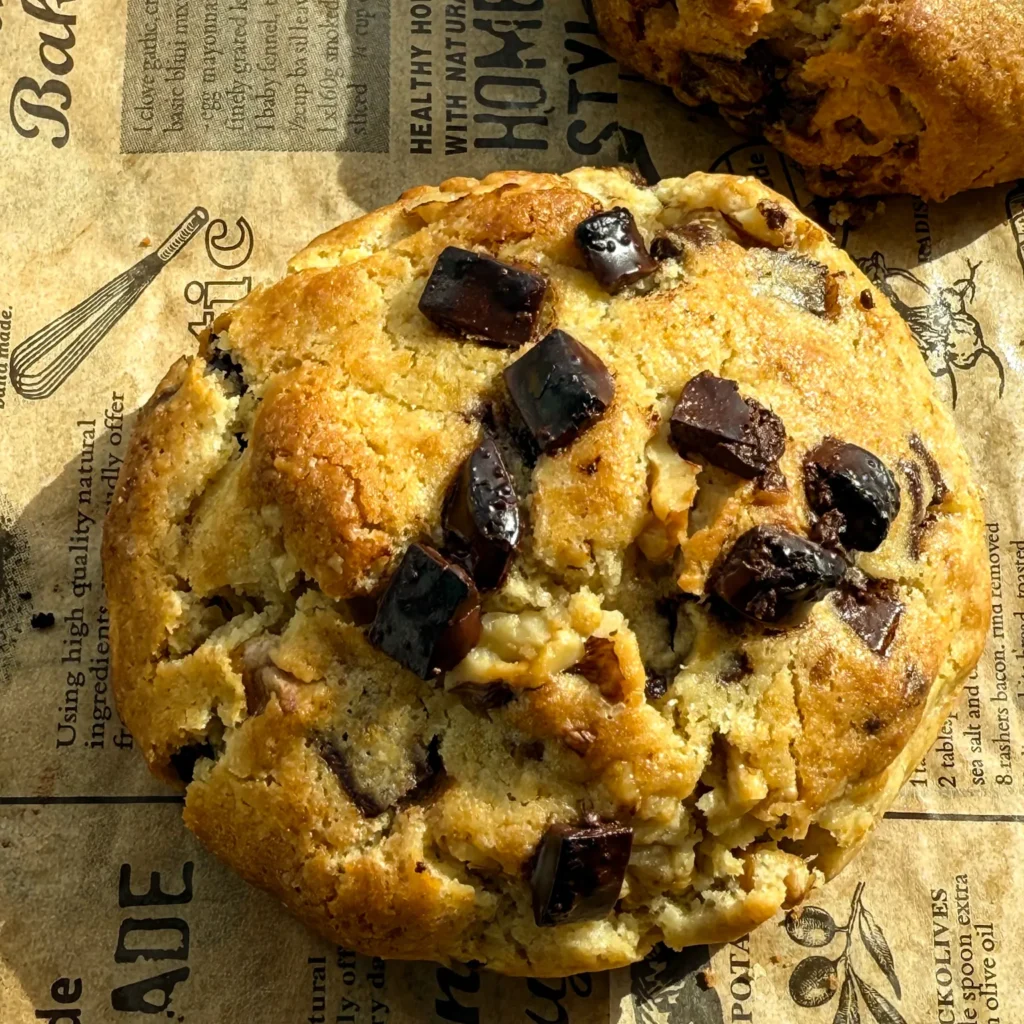
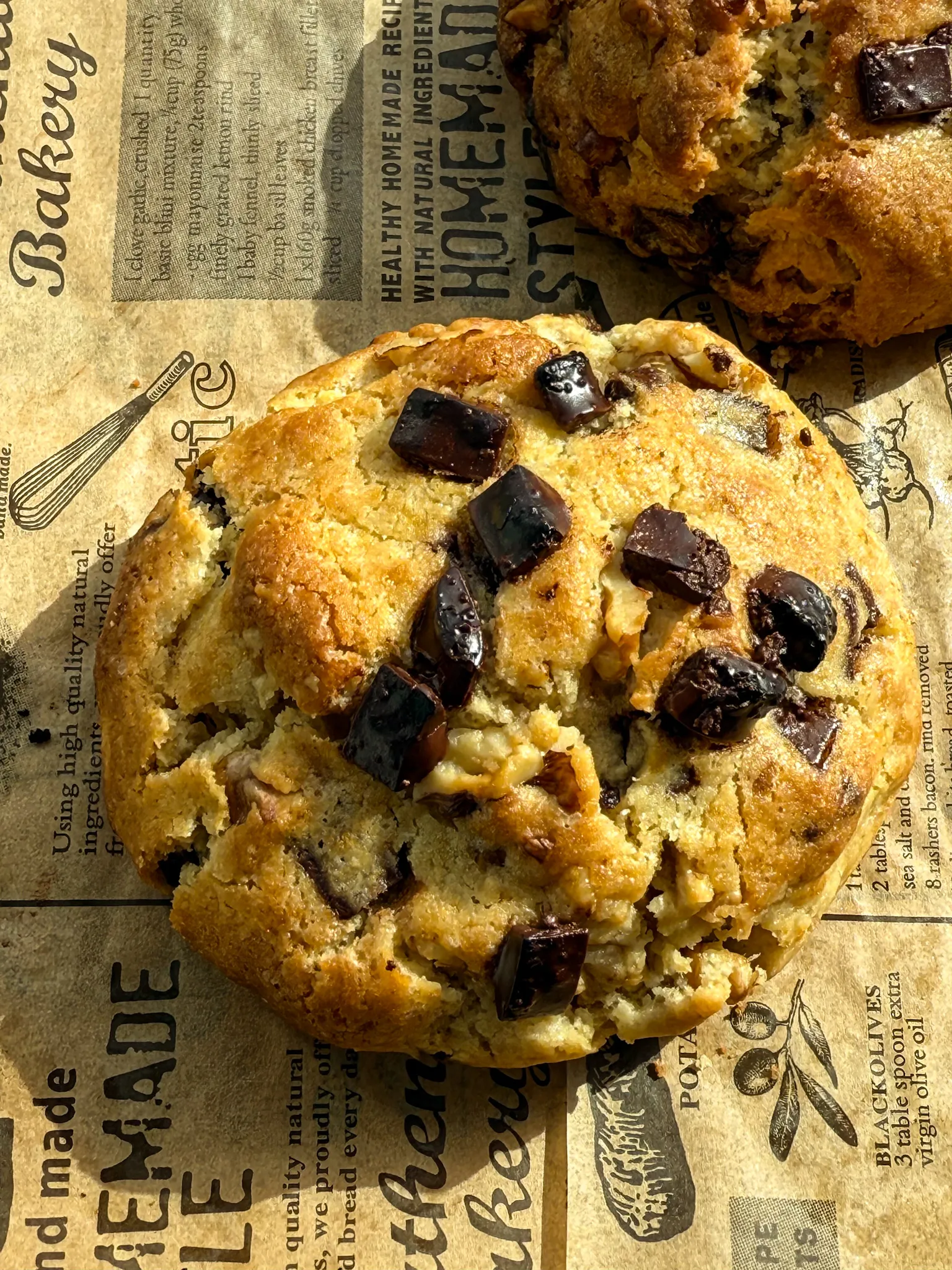
There are cookies, and then there are copycat Levain cookies that capture the magic of New York’s most iconic bakery. If you’ve ever walked past the famous Levain Bakery in New York City, you know the feeling that draws people in from blocks away. The smell of warm butter and melted chocolate hits you before you even open the door, and behind the counter sit those legendary, oversized treats that have become the gold standard for bakery-style cookies. These copycat Levain cookies deliver everything you expect from the original: thick centers, crisp edges, pools of melted chocolate, and that signature bakery-style bite that makes each cookie an unforgettable experience.
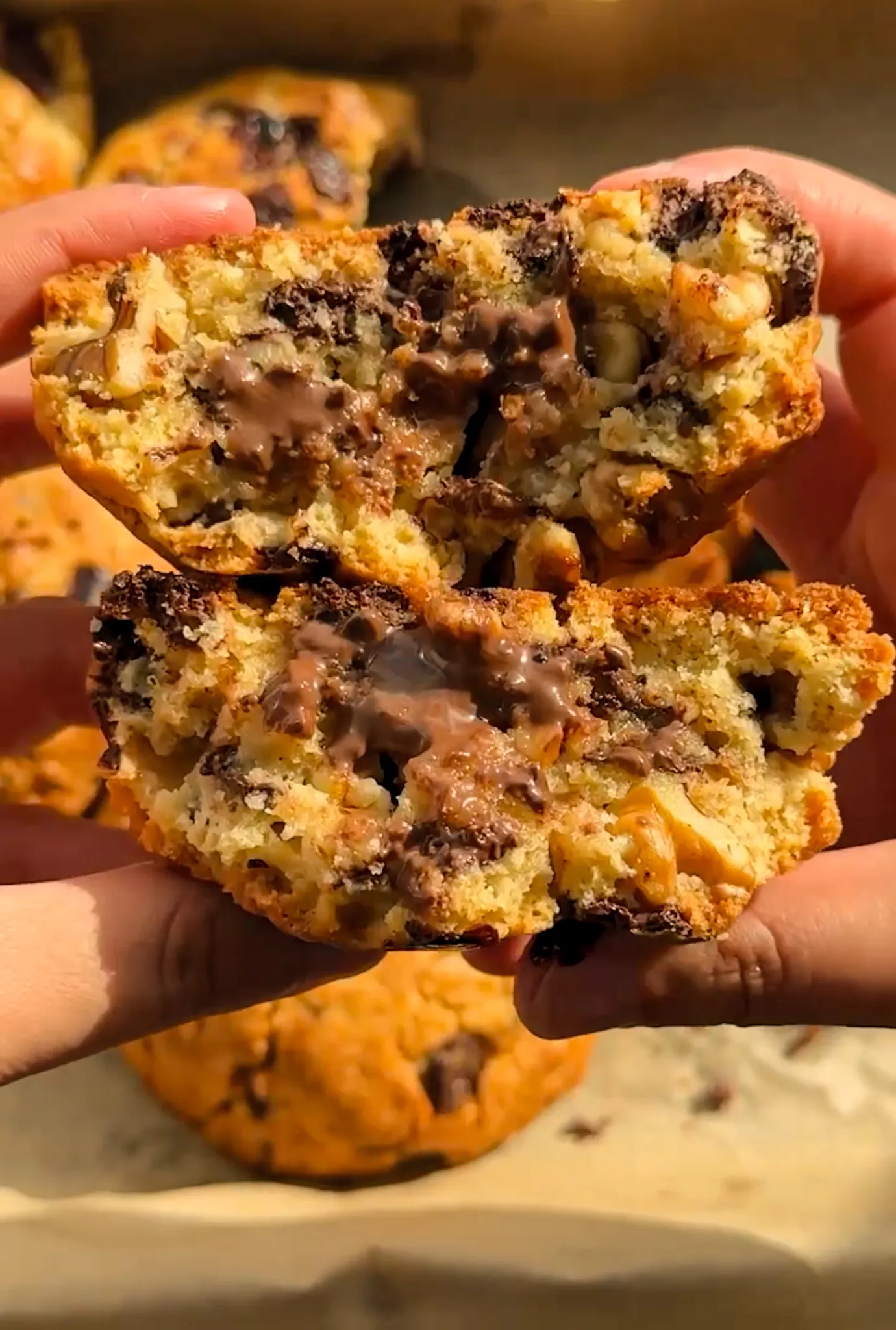
This recipe is my perfected version of the classic chocolate chip walnut cookie that made Levain Bakery famous. When I say these copycat Levain cookies deliver, I’m not exaggerating. They’re huge, rich, and deeply satisfying in a way that sets them apart from ordinary homemade cookies. These aren’t meant to be eaten mindlessly while watching television. One copycat Levain cookie is an experience you savor, preferably broken in half while still warm so you can watch the steam escape and reveal the molten chocolate inside.
Why This Recipe is Special
What makes copycat Levain cookies so extraordinary is how they break every traditional cookie-baking rule you’ve ever learned. Instead of room-temperature butter that creams easily, we use cold cubed butter straight from the refrigerator. Instead of baking at a moderate temperature like most recipes suggest, we bake hot and fast at an aggressive heat. Instead of small, delicate scoops, we bake giant portions that weigh six ounces each. Every single one of these unconventional choices is completely intentional, and they’re exactly what gives copycat Levain cookies their iconic structure and unforgettable texture.
Key Ingredients Overview
The foundation of successful copycat Levain cookies lies in understanding how each ingredient contributes to the final result. Cold butter keeps the cookies thick and prevents the spreading that plagues traditional recipes. A special mix of cake flour and all-purpose flour creates a tender yet sturdy crumb that can support the massive cookie structure. Cornstarch adds softness and helps build the signature texture. High-quality dark chocolate provides deep flavor without excessive sweetness, while walnuts contribute subtle bitterness and satisfying crunch that balances the richness perfectly.
Understanding What Makes Copycat Levain Cookies Different
Levain-style cookies represent a complete departure from traditional cookie-baking methodology, and understanding these differences helps you appreciate why the technique matters so much. Regular chocolate chip cookies aim for uniform texture throughout, whether chewy, crispy, or somewhere in between. Copycat Levain cookies deliberately create contrast between a lightly crisp golden exterior and a soft, gooey, almost brownie-like interior. This dramatic textural difference happens only when you follow the specific techniques that make these cookies special.
The Science Behind the Thickness
Traditional cookies spread during baking because room-temperature butter melts quickly in the oven, allowing the dough to flatten before the structure sets. Copycat Levain cookies use cold butter that takes longer to melt, giving the flour proteins time to set the structure while the cookies remain tall. The high baking temperature accelerates this process by setting the outside shell rapidly while the inside stays soft and underbaked. This combination creates the signature height that makes these cookies instantly recognizable.
Why Size Actually Matters
The massive six-ounce portion size isn’t just for show or Instagram photos. Large copycat Levain cookies allow the center to stay underbaked and molten while the exterior develops proper color and texture. Smaller portions would cook through completely, losing that gooey center that defines the Levain experience. The size also creates a longer eating experience, making one cookie feel substantial and satisfying rather than leaving you reaching for another.
Choosing the Right Ingredients for Copycat Levain Cookies
Success with copycat Levain cookies starts with selecting quality ingredients and understanding why each one matters. Unlike simpler recipes where substitutions work easily, this particular style demands specific components to achieve authentic results. Taking time to gather the right ingredients makes the difference between good cookies and bakery-quality masterpieces.
Flour Combination Explained
Most cookie recipes call for all-purpose flour only, but copycat Levain cookies require a blend of all-purpose and cake flour for optimal results. All-purpose flour provides structure and chew, while cake flour lowers the overall protein content to create tenderness. This combination prevents the cookies from becoming tough or dense despite their massive size. The ratio balances strength with softness, creating that perfect tender crumb that makes these cookies exceptional.
Cold Butter Requirements
The butter must be cold, straight from the refrigerator, and cut into small cubes for proper incorporation. This is absolutely essential for keeping copycat Levain cookies thick and preventing them from spreading into flat disks. Don’t let the butter sit at room temperature before mixing, as this defeats the entire purpose. Cold butter creates small pockets throughout the dough that expand during baking, contributing to the unique texture that sets these cookies apart.
Chocolate Selection Guide
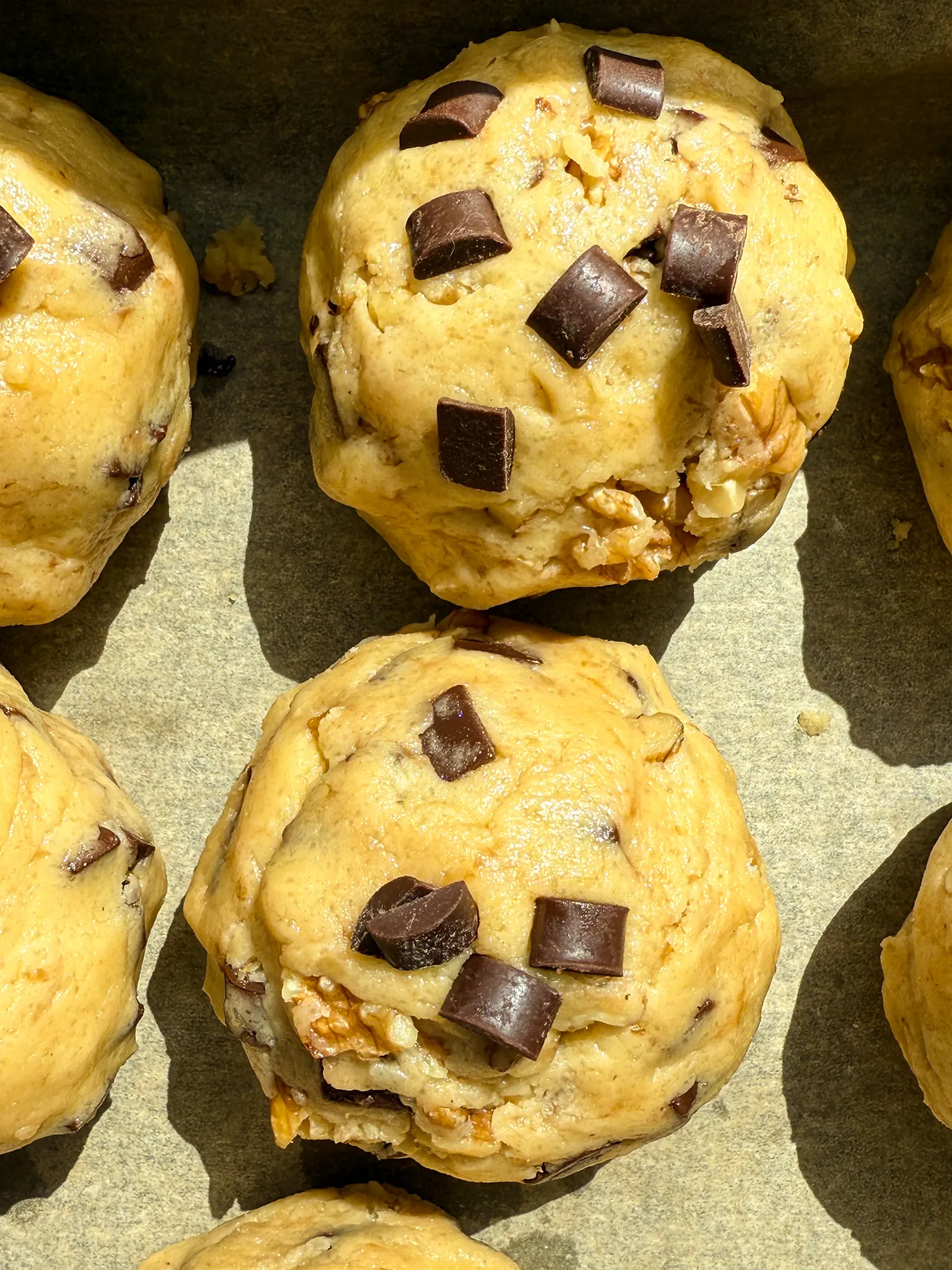
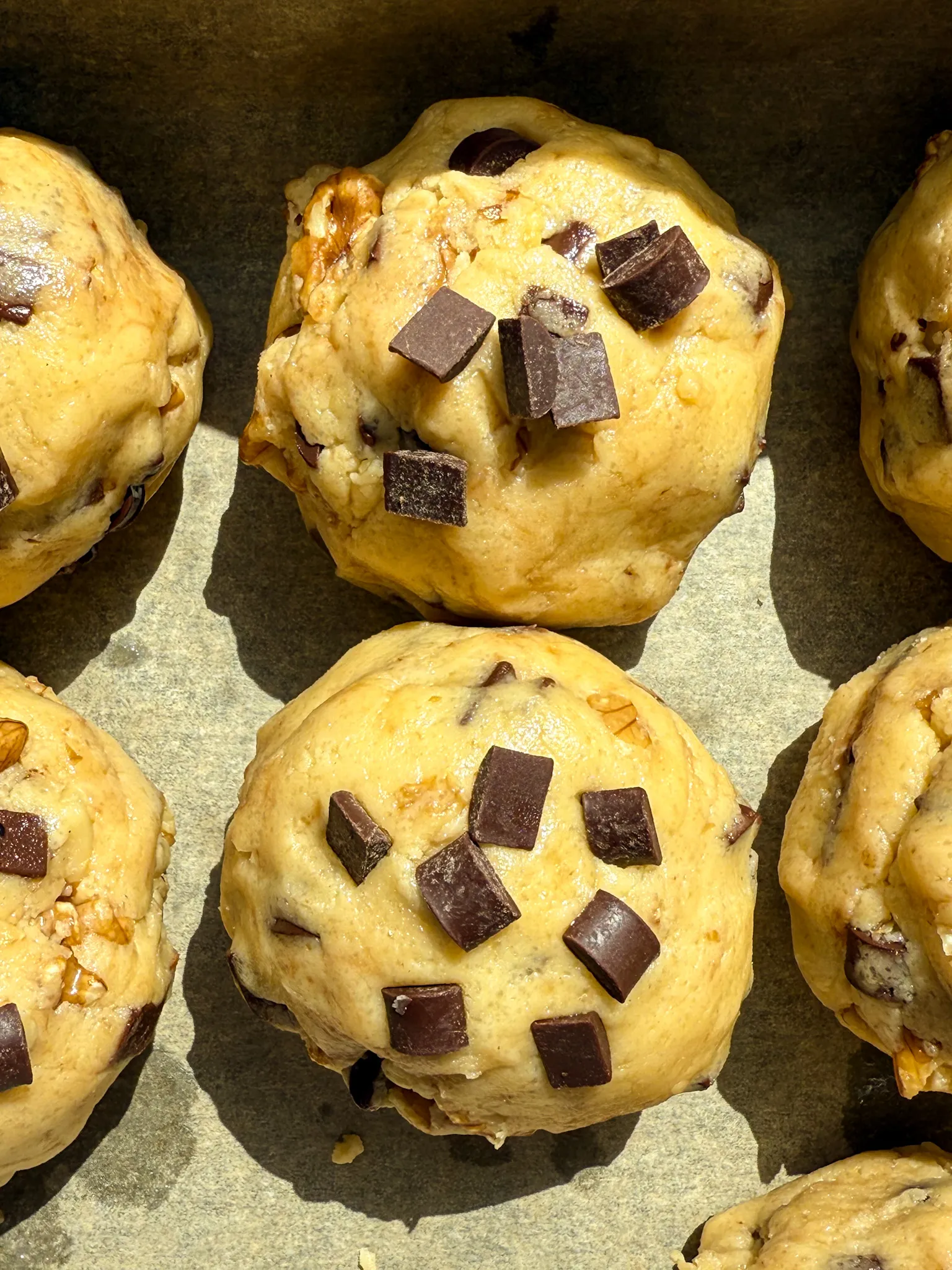
Levain cookies are famous for their big chocolate pockets, not tiny chips scattered uniformly throughout. Using seventy percent dark chocolate chips or chunks ensures deep flavor and slow melting that creates those dramatic chocolate pools. The higher cacao percentage keeps copycat Levain cookies from tasting overly sweet, providing sophisticated flavor that appeals to adult palates. You can mix chips and chopped chocolate bars together for even more dramatic visual appeal and varied textures.
Sugar Types and Their Roles
Brown sugar dominates the sweetener profile in copycat Levain cookies, contributing moisture and caramel notes that create depth and complexity. The molasses in brown sugar adds flavor dimension that white sugar alone cannot provide. A smaller amount of granulated white sugar balances the moisture and helps with structure. This combination prevents the cookies from being one-dimensional or cloyingly sweet while maintaining the richness these treats are known for.
Walnut Considerations
Traditional copycat Levain cookies use walnuts, and they contribute much more than simple crunch. The subtle bitterness and earthy flavor of walnuts balance the sweetness and richness of the chocolate-laden dough. Toasting the walnuts before adding them intensifies their flavor and creates additional complexity. If you’re not a walnut fan, pecans make an excellent substitute, while hazelnuts offer a more European flavor profile.
Step-by-Step Instructions for Perfect Copycat Levain Cookies
Following proper technique ensures your cookies turn out perfectly every single time you make them. These copycat Levain cookies involve straightforward steps that anyone can master with attention to detail and patience. Taking time to execute each stage correctly makes all the difference between amateur results and professional bakery-quality cookies.
Preparing Your Ingredients
Start by cutting cold butter into small cubes approximately half an inch in size. Keep the cubed butter refrigerated until the moment you need it to maintain proper temperature. Measure all dry ingredients accurately using the spoon-and-level method for flour rather than scooping directly from the bag. Chop chocolate bars into irregular chunks if using bar chocolate instead of chips. Toast walnuts in a dry skillet over medium heat for three to five minutes until fragrant, then let them cool completely.
Mixing the Dough Properly
Combine all dry ingredients including both flours, cornstarch, baking powder, baking soda, and salt in a large bowl and whisk thoroughly to distribute evenly. In your mixer bowl, combine brown sugar, granulated sugar, and cold butter cubes. Mix on medium speed until the butter breaks down and the mixture becomes sandy and crumbly, which takes about two minutes. This texture looks different from traditional creamed butter and sugar, but it’s exactly right for copycat Levain cookies.
Add eggs and vanilla extract to the butter mixture and beat until combined and slightly fluffy. The mixture will look broken or curdled initially but will come together with continued mixing. Add the dry ingredients all at once and mix on low speed just until the flour disappears and no dry pockets remain. Don’t overmix at this stage, as developing too much gluten makes the cookies dense instead of tender. Fold in chocolate chunks and walnuts by hand using a sturdy spatula.
Shaping the Cookie Portions
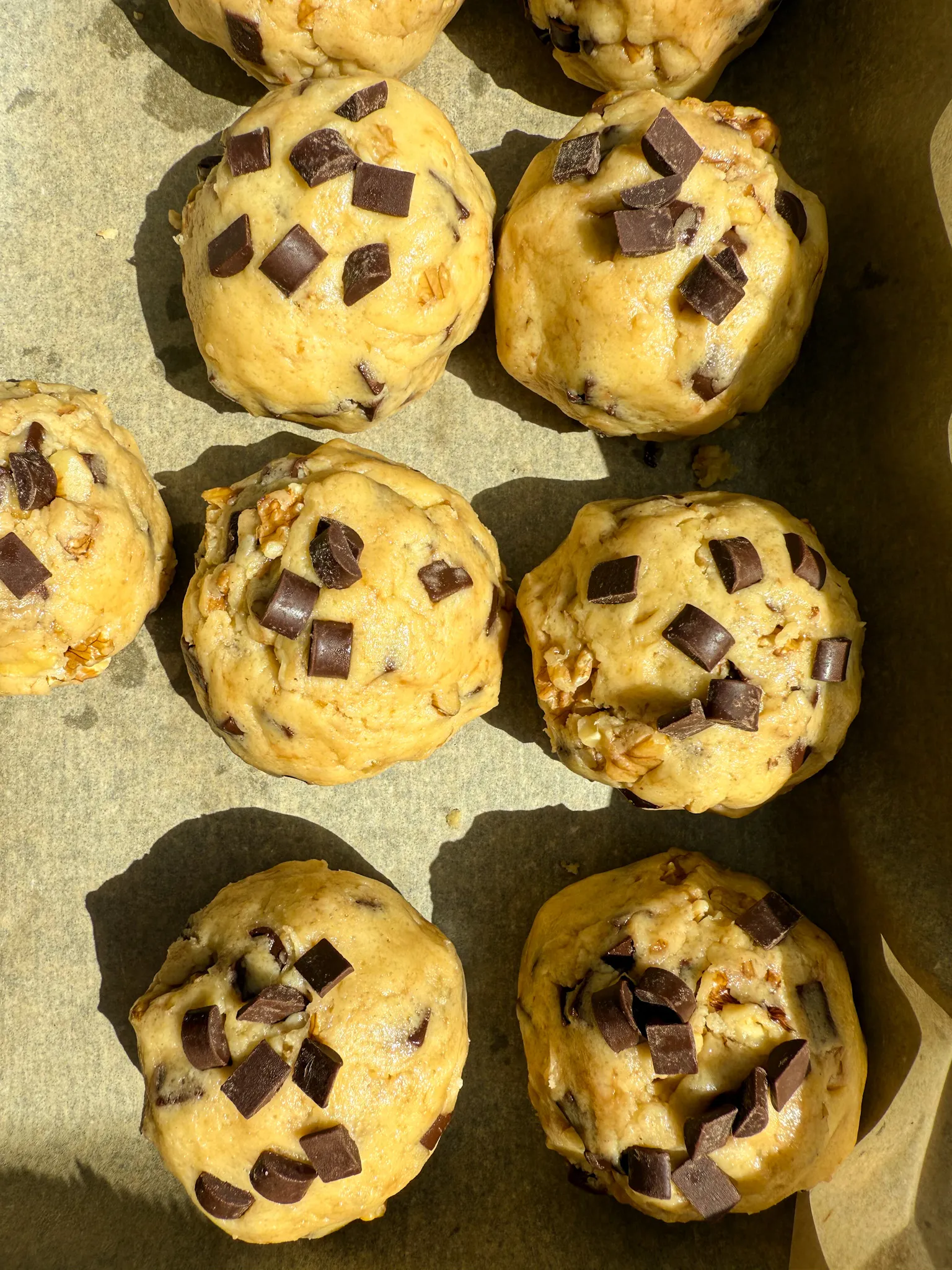
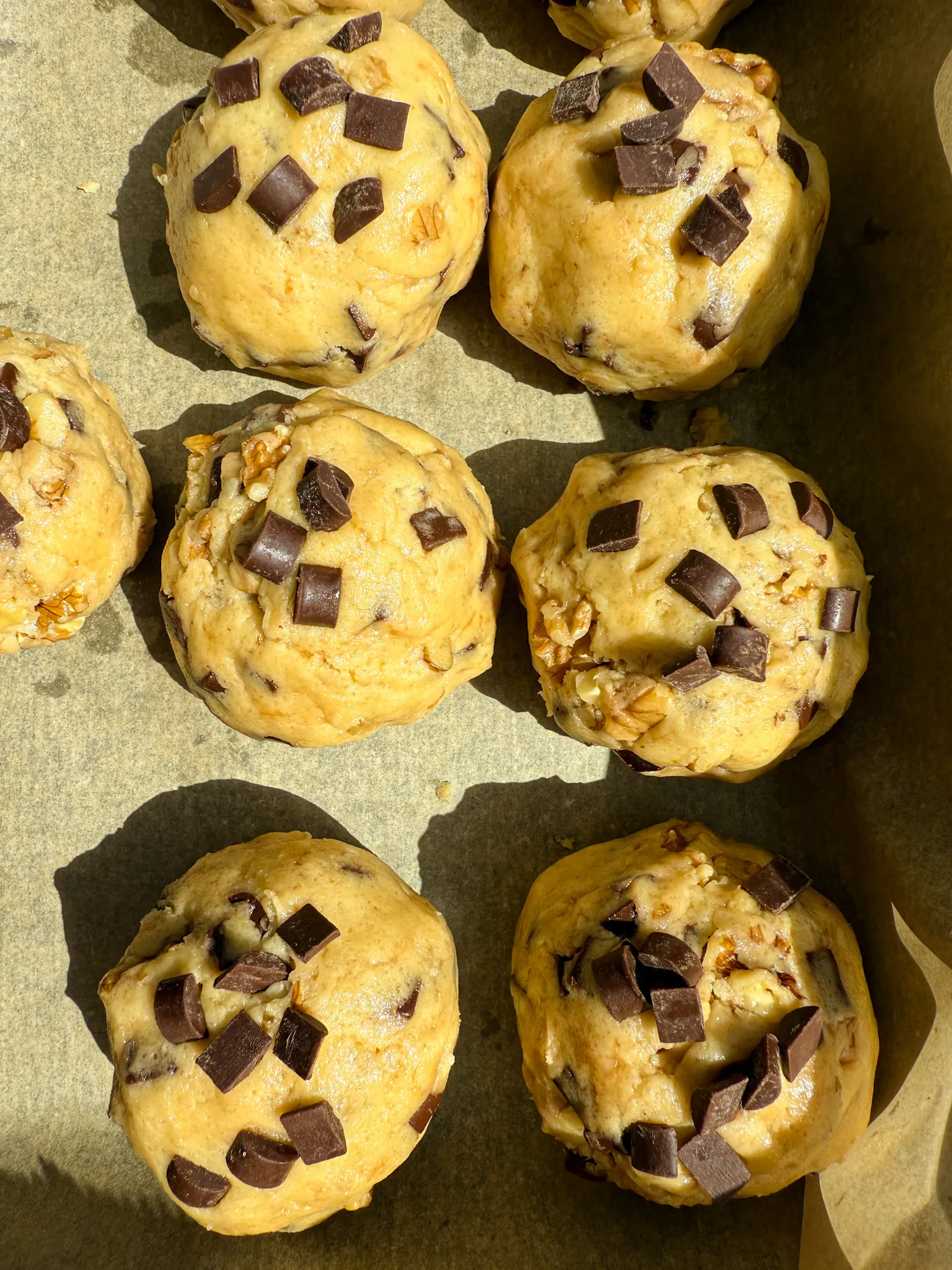
Use a large ice cream scoop or measuring cup to portion six-ounce balls of dough. A standard ice cream scoop holds about three-quarters of a cup, which equals approximately six ounces. Don’t flatten or shape the dough balls, as their rough, rustic appearance contributes to the authentic look of copycat Levain cookies. The irregular surface creates interesting textures during baking and mimics the appearance of the bakery originals.
Baking at High Temperature
Preheat your oven to four hundred ten degrees Fahrenheit, which seems aggressive but is absolutely necessary for proper results. Use light-colored aluminum baking sheets rather than dark pans that absorb too much heat and brown the bottoms too quickly. Line the sheets with parchment paper or silicone baking mats for easy release. Space the dough balls at least three inches apart, as copycat Levain cookies do spread slightly during baking despite the cold butter.
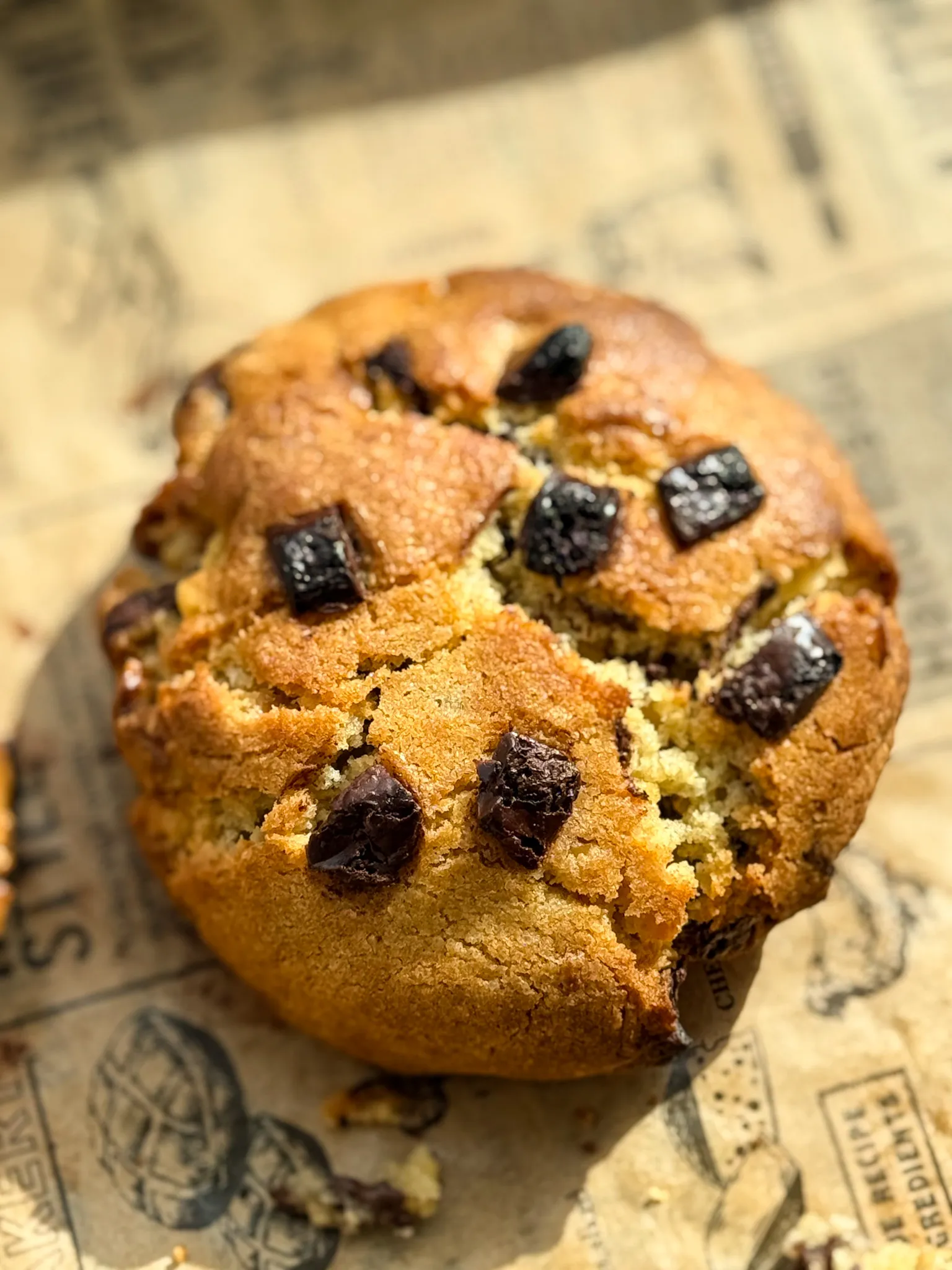
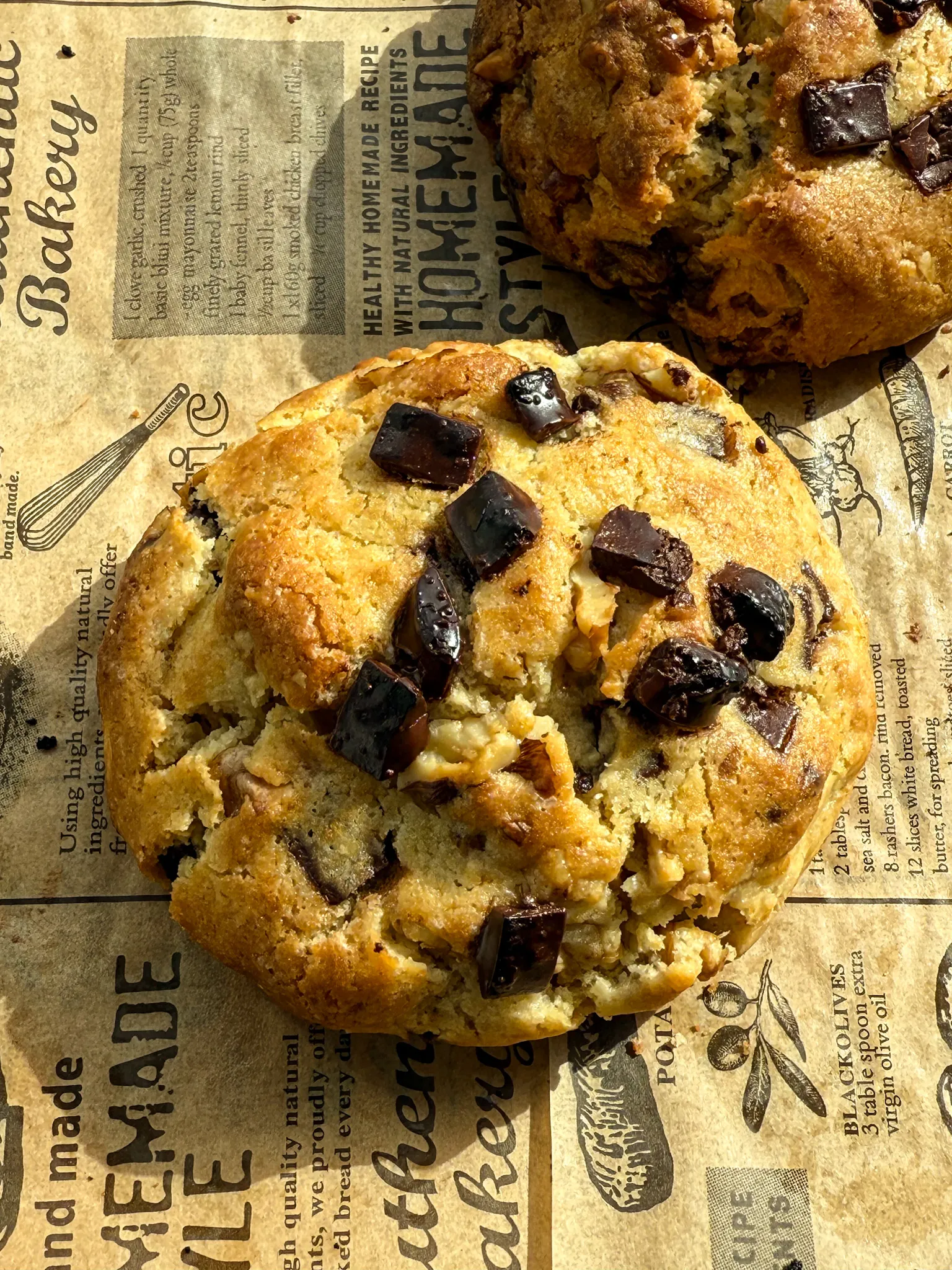
Bake for twelve to fifteen minutes until the edges turn golden brown while the centers still look slightly underbaked and puffy. The cookies will appear too soft when you first remove them from the oven, but this is exactly right. They continue setting as they cool, developing the perfect texture. Let copycat Levain cookies rest on the baking sheet for at least ten minutes before attempting to move them, as they’re extremely fragile when hot.
Professional Tips for Mastering Copycat Levain Cookies
Even straightforward recipes benefit from insider knowledge that elevates results from good to exceptional. These professional tips come from extensive testing and will help you achieve consistent bakery-quality results. Small adjustments and careful attention to detail transform copycat Levain cookies from homemade treats into something that rivals the New York original.
Don’t Soften the Butter
This point bears repeating because it’s the most common mistake home bakers make. The butter must be cold, straight from the refrigerator, and cut into cubes. Soft butter creates flat cookies that spread excessively and lose the signature height. If your kitchen is very warm, consider refrigerating the butter cubes on a plate for a few extra minutes before mixing. Cold butter is non-negotiable for successful copycat Levain cookies.
Avoid Overmixing the Dough
Once flour gets added to the wet ingredients, mix just until combined and no dry pockets remain visible. Overmixing develops gluten in the flour, which makes cookies dense, tough, and chewy in an unpleasant way rather than tender and bakery-like. Stop mixing the moment everything comes together, even if the dough looks slightly shaggy. Those copycat Levain cookies will turn out perfectly despite the rough appearance.
Use Light-Colored Baking Sheets
Dark baking pans absorb significantly more heat than light-colored aluminum sheets, causing the cookie bottoms to brown too quickly at the high baking temperature. This creates an unpleasant burnt flavor and uneven texture. Stick to light aluminum pans for the best results with copycat Levain cookies. If you only have dark pans, reduce the oven temperature by twenty-five degrees and watch carefully.
Let Them Rest After Baking
The cookies continue setting as they cool on the baking sheet, and moving them too soon causes them to break apart. Give copycat Levain cookies at least ten minutes of resting time before attempting to transfer them to a cooling rack. This patience pays off with cookies that hold together perfectly and have the ideal texture throughout.
Common Mistakes to Avoid with Copycat Levain Cookies
Even experienced bakers sometimes encounter problems that prevent perfect results with this particular style. Learning what can go wrong helps you avoid these pitfalls and ensures success every time. Understanding common mistakes means you can troubleshoot issues before they happen and achieve consistently excellent outcomes with copycat Levain cookies.
Making Cookies Too Small
Some bakers hesitate to make such large cookies and reduce the portion size, thinking they’ll still get good results. Unfortunately, smaller copycat Levain cookies lose the gooey center that makes them special. The size is absolutely part of the magic, allowing the interior to stay underbaked while the exterior develops proper color and texture. Trust the recipe and make them the full six ounces.
Using Warm or Softened Butter
This mistake ruins the structure instantly, causing cookies to spread flat like traditional chocolate chip cookies. The cold butter technique is what keeps copycat Levain cookies tall and thick. If you accidentally let your butter warm up, cut new cubes from a cold stick and start fresh rather than trying to salvage softened butter.
Baking at Lower Temperature
Some bakers worry about the high temperature and reduce it to a more comfortable level, but this changes everything. Lower temperatures allow copycat Levain cookies to spread too much and lose their signature height. The aggressive heat sets the outer shell quickly while locking moisture inside. Trust the four hundred ten degree temperature even though it seems unconventional.
Overbaking the Centers
These cookies should look slightly underbaked when you remove them from the oven, with centers that appear puffy and soft. Baking until the centers firm up completely eliminates the gooey texture that defines copycat Levain cookies. Remove them when the edges turn golden but the middles still look pale and slightly wet.
Variations to Try with Copycat Levain Cookies
Once you’ve mastered the classic chocolate chip walnut version, experimenting with variations keeps things interesting and allows customization. These adaptations maintain the essential characteristics while introducing new flavors and textures. Each variation offers something special while staying true to what makes copycat Levain cookies so beloved.
Double Chocolate Version
Replace half a cup of all-purpose flour with unsweetened cocoa powder to create rich chocolate copycat Levain cookies. Use a mix of dark chocolate chunks and white chocolate chips for dramatic contrast. The cocoa intensifies the chocolate flavor while maintaining the signature thick, gooey texture. These double chocolate versions taste incredibly decadent and look stunning.
Nut Substitutions
While walnuts are traditional, pecans offer a sweeter, more buttery flavor that many people prefer. Hazelnuts bring European sophistication and pair beautifully with chocolate. Macadamia nuts create an ultra-rich, luxurious version. You can also make copycat Levain cookies completely nut-free if allergies are a concern, though the cookies will taste slightly sweeter without the balancing bitterness.
Different Chocolate Options
Experiment with milk chocolate for sweeter copycat Levain cookies that appeal to children. Try a combination of dark chocolate and peanut butter chips for sophisticated flavor contrast. Add espresso powder to the dough to intensify chocolate flavor without adding coffee taste. Mix in white chocolate chunks with dried cranberries for a completely different but equally delicious variation.
Add-In Ideas
Fold in a quarter cup of toffee bits for buttery crunch and caramel notes. Add dried cherries or dried cranberries for tartness that cuts the richness. Mix in butterscotch chips for nostalgic sweetness. Swirl in a tablespoon of Nutella before baking for hazelnut chocolate ribbons. The base copycat Levain cookies recipe accommodates endless creative additions.
Storage and Make-Ahead Tips for Copycat Levain Cookies
Proper storage extends the life of your cookies and maintains quality for several days or even months. Knowing the best methods for keeping these treats fresh means you can make them ahead for events or enjoy small batches over time. Follow these guidelines to ensure copycat Levain cookies stay delicious from first serving to last.
Room Temperature Storage
Store baked copycat Levain cookies in an airtight container at room temperature for up to two days. Don’t refrigerate them, as this dries out the texture and makes them stale faster. Layer parchment paper between cookies if stacking to prevent them from sticking together. Room temperature storage works perfectly if you plan to finish the batch within this timeframe.
Reheating for Fresh-Baked Taste
Restore that just-baked quality by warming copycat Levain cookies in the microwave for ten to fifteen seconds before serving. This melts the chocolate again and softens the texture beautifully. Alternatively, warm them in a three hundred degree oven for five minutes for more even heating. The reheated cookies taste remarkably close to fresh from the oven.
Freezing Cookie Dough
The dough freezes exceptionally well, making copycat Levain cookies perfect for baking fresh batches on demand. Scoop six-ounce portions onto a parchment-lined baking sheet and freeze until solid, about two hours. Transfer the frozen dough balls to freezer bags or airtight containers and store for up to two months. This method gives you fresh-baked cookies anytime you want them.
Baking from Frozen
You can bake copycat Levain cookies directly from frozen without thawing the dough first. Add one to two minutes to the regular baking time to account for the cold starting temperature. The results are virtually identical to baking fresh dough. This convenience makes the recipe perfect for entertaining or satisfying sudden cookie cravings.
Serving Suggestions for Copycat Levain Cookies
How you serve these cookies greatly impacts the overall experience and enjoyment. The right accompaniments and presentation elevate simple cookies into something truly memorable. These serving suggestions help you make the most of copycat Levain cookies whether you’re serving family or entertaining guests at a special occasion.
Temperature Considerations
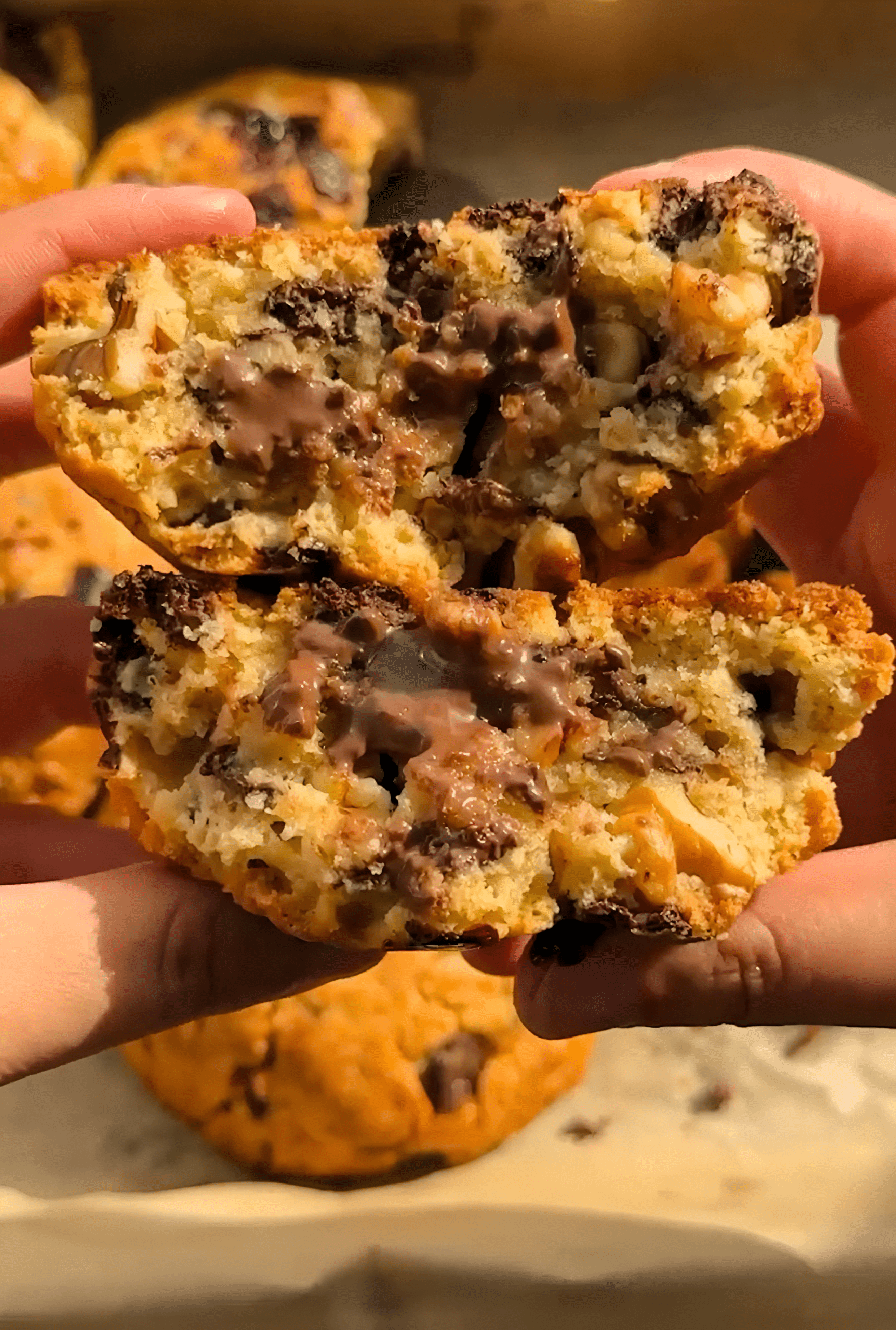
These cookies are absolutely best enjoyed warm, preferably fresh from the oven after they’ve cooled for just ten minutes. The chocolate stays melty and gooey, creating dramatic chocolate pulls when you break them in half. Room temperature copycat Levain cookies are still delicious but lack that fresh-baked magic. Consider warming them briefly before serving for the ultimate experience.
Breaking Not Biting
Don’t bite into these cookies like normal treats. Instead, break copycat Levain cookies in half to reveal the gooey center and watch the steam escape. This presentation creates a wow moment that shows off the incredible texture contrast between the crisp exterior and molten interior. The breaking technique also makes sharing easier since one cookie easily serves two people.
Perfect Pairings
Serve copycat Levain cookies with ice-cold whole milk for the classic combination that never disappoints. Vanilla ice cream placed on top of a warm split cookie creates an incredible sundae-style dessert. Strong coffee or espresso cuts through the richness and provides sophisticated contrast. Hot chocolate makes an indulgent pairing for serious chocolate lovers.
Portion Awareness
Remember that copycat Levain cookies are rich and substantial, with each one containing five hundred twenty to six hundred calories. One cookie easily serves two people as a generous dessert portion. Don’t feel obligated to finish an entire cookie yourself. Save half for later or share with someone special.
Frequently Asked Questions About Copycat Levain Cookies
Home bakers often have similar questions when attempting this bakery-style recipe for the first time. These answers address common concerns and provide helpful information for achieving perfect results. Understanding these key points helps ensure success with copycat Levain cookies.
Can I make them smaller?
You technically can reduce the size, but you’ll lose the gooey center that makes copycat Levain cookies special. The massive six-ounce portion allows the center to stay underbaked while the exterior develops proper texture. Smaller cookies bake through completely and taste more like traditional chocolate chip cookies. The size is genuinely part of the magic.
Do I need to chill the dough?
No chilling is necessary for copycat Levain cookies because the cold butter already prevents spreading. Traditional cookie recipes often require chilling to firm up room-temperature butter, but that step becomes redundant here. You can bake the dough immediately after mixing, making this recipe surprisingly quick despite the impressive results.
Why use cake flour?
Cake flour lowers the overall protein content in the flour blend, which creates a softer, more tender interior without sacrificing structure. All-purpose flour alone would make copycat Levain cookies too dense and chewy. The combination of both flours achieves the perfect balance of tenderness and strength needed to support these massive cookies.
What if my cookies spread too much?
Excessive spreading usually means the butter was too warm when you mixed the dough. Make sure you’re using truly cold butter straight from the refrigerator. Also verify your oven temperature with an oven thermometer, as insufficient heat allows cookies to spread before setting. Following the cold butter rule carefully prevents this problem with copycat Levain cookies.
Can I skip the cornstarch?
Cornstarch contributes to the signature soft texture and helps with structure, so skipping it changes the results. If you don’t have cornstarch, you can substitute an equal amount of additional cake flour, though the texture won’t be quite as tender. For authentic copycat Levain cookies, try to include the cornstarch as directed.
Final Thoughts on Copycat Levain Cookies
Mastering copycat Levain cookies opens up a world of bakery-quality baking right in your home kitchen. This recipe captures the magic of New York’s most famous cookie without requiring a trip to the city or standing in long lines. The combination of unconventional techniques and quality ingredients creates something truly special that impresses everyone who tries them.
The beauty of copycat Levain cookies lies in how they deliver such dramatic results from relatively simple ingredients and straightforward steps. Even beginners can achieve impressive outcomes by following the techniques carefully and trusting the process. The cold butter, high temperature, and large portions all work together to create something far greater than the sum of their parts.
Don’t hesitate to make copycat Levain cookies part of your regular baking rotation. They’re perfect for special occasions, holiday gifts, or simply treating yourself when you want something extraordinary. Share these oversized treats with loved ones and watch their faces light up as they break into that gooey center and discover pools of melted chocolate. Start gathering your ingredients today and experience the joy of creating bakery-quality cookies that rival the New York original. Your kitchen is about to smell absolutely incredible!
Watch the recipe video for more clarity
See our similar recipes:
People also like our these recipes:
- 227 g butter cold and cubed
- 200 g brown sugar
- 100 g granulated sugar
- 2 large eggs ≈100 g without shells5 ml vanilla extract
- 5 ml vanilla bean paste
- 180 g cake flour
- 180 g all-purpose flour
- 8 g cornstarch
- 3 g baking soda
- 4 g salt
- 340 g dark chocolate chips
- 200 g walnuts roughly chopped
Preheat oven to 410°F (210°C). Line baking sheets with parchment paper.
In a large bowl, cream cold cubed butter, brown sugar, and granulated sugar for about 4 minutes, until creamy but still thick.
Add eggs one at a time, mixing well after each addition. Stir in vanilla extract and vanilla bean paste.
Add cake flour, all-purpose flour, cornstarch, baking soda, and salt. Mix just until combined.
Fold in chocolate chips and walnuts gently.
Scoop dough into large 2.66 oz (75 g) balls. You should get about 15 cookies.
Place 5 cookies per baking sheet, spacing well apart.
Bake for 11 minutes, until the tops are lightly golden and the centers look slightly underbaked.
Let cookies rest on the tray for 10 minutes before serving.
If you've given this recipe a try and it won you over, please share your thoughts by leaving
a rating and comment below! If you have any questions about this recipe, don't hesitate to ask – I'm here to
help and will respond promptly.