Discover the Magic of Classic Crème Brûlée
Indulge in the luxury of Classic Crème Brûlée, with its velvety texture and perfectly caramelized sugar crust. This timeless French dessert transforms simple ingredients into an elegant masterpiece that elevates any occasion. Whether you’re hosting a festive celebration, gathering loved ones for dinner, or simply treating yourself to something special, Classic Crème Brûlée delivers sophistication in every spoonful.
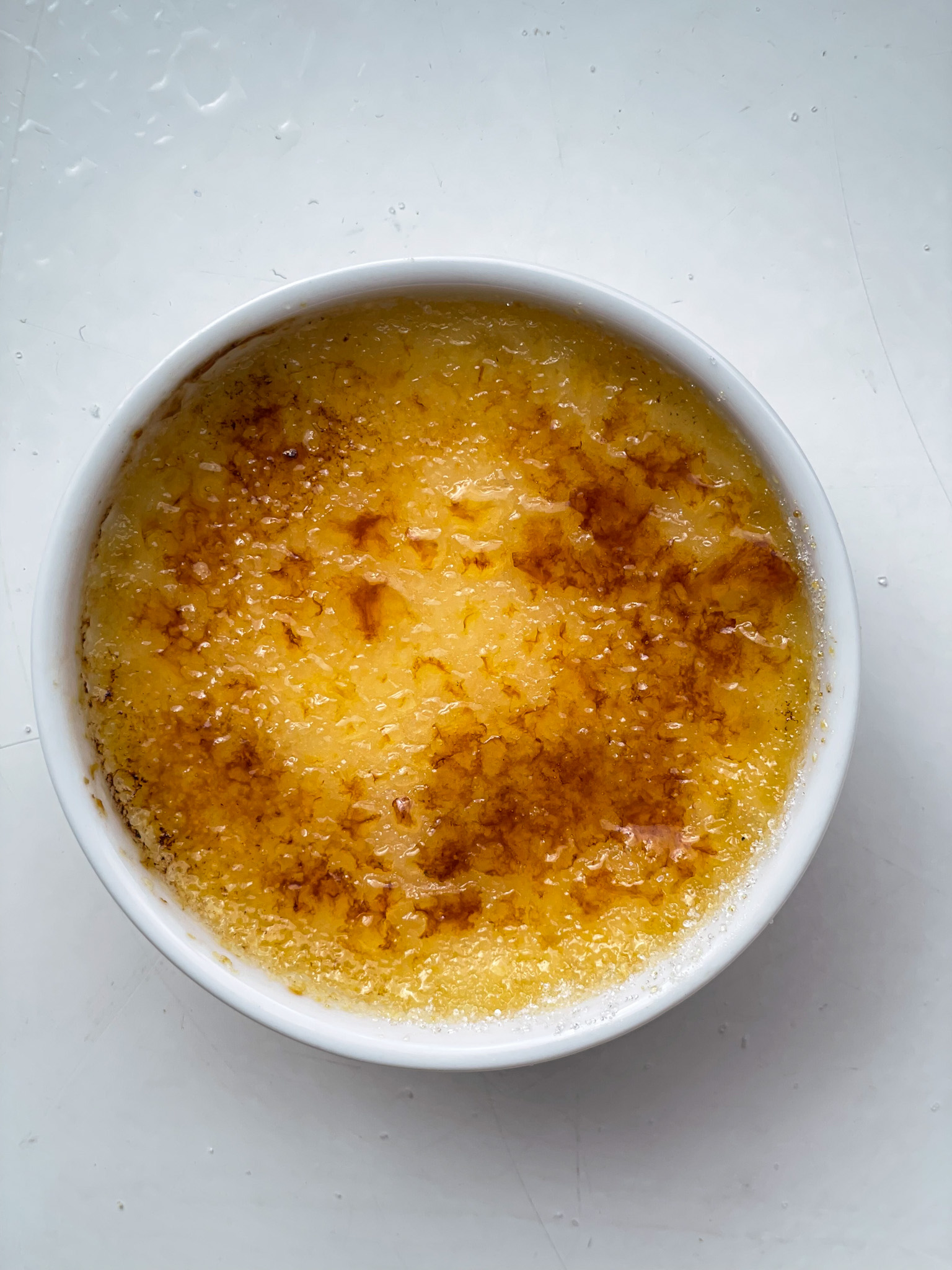
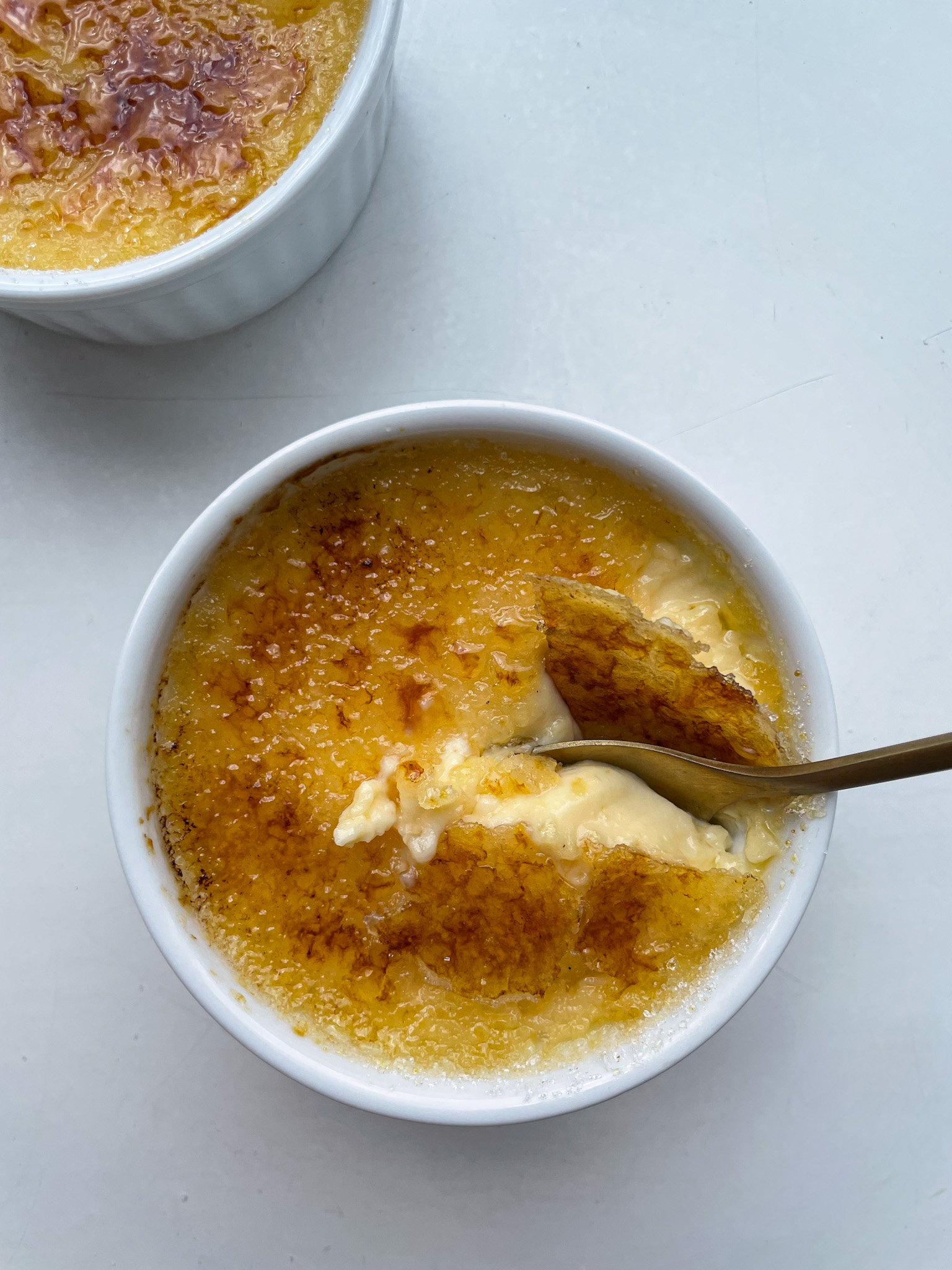
The beauty of Classic Crème Brûlée lies in its delightful contrasts. The satisfying crack of the caramelized sugar shell gives way to the smooth, creamy custard beneath. Each bite offers a symphony of textures and flavors that dance on your palate. This dessert, traditionally associated with high-end restaurants and French patisseries, is surprisingly achievable in your own kitchen.
With just five essential ingredients and a few specialized techniques, you can recreate the magic of Classic Crème Brûlée at home. The process requires patience and attention to detail, but the results are absolutely worth the effort. Your guests will be amazed when you present them with this restaurant-quality dessert, complete with its signature crackling caramel top.
Why This Recipe is Special
What sets this Classic Crème Brûlée recipe apart is its perfect balance of richness and refinement. Unlike overly sweet or heavy desserts, this version achieves an ideal harmony between the luxurious vanilla custard and the bittersweet caramelized sugar topping. The custard itself is neither too dense nor too light, offering a consistency that coats your spoon while remaining delicate on the tongue.
This recipe eliminates the guesswork that often intimidates home cooks when attempting Classic Crème Brûlée. The detailed instructions guide you through each critical step, from tempering the eggs to achieving the perfect water bath temperature. You’ll learn professional techniques that pastry chefs use in fine dining establishments, demystifying this seemingly complex dessert.
The versatility of Classic Crème Brûlée makes it suitable for any occasion. Serve it at an intimate dinner party to impress your guests, present it at holiday gatherings as a show-stopping finale, or prepare it for a romantic evening at home. The individual ramekins add an element of personal attention that makes each serving feel specially crafted.
Key Ingredients Overview
The ingredient list for Classic Crème Brûlée is refreshingly simple, yet each component plays a crucial role in the final result. Heavy cream provides the foundation of richness and body that defines this dessert. The high fat content creates that signature silky texture that makes each bite melt in your mouth.
Vanilla serves as the soul of Classic Crème Brûlée, infusing the custard with aromatic complexity. Using a whole vanilla bean rather than extract elevates the flavor profile significantly, adding those beautiful specks of vanilla throughout the custard. The subtle floral notes of real vanilla complement the richness of the cream perfectly.
Egg yolks are the binding agent that transforms liquid cream into luxurious custard. They provide structure while maintaining smoothness, and contribute to the golden color that makes Classic Crème Brûlée so visually appealing. The ratio of yolks to cream in this recipe has been carefully calibrated to achieve optimal consistency.
Understanding the Art of Classic Crème Brûlée
The name Classic Crème Brûlée literally translates to “burnt cream” in French, referring to the caramelized sugar topping that defines this dessert. This preparation method dates back centuries, with various European countries claiming its origin. Regardless of its precise beginnings, the dessert has become a staple of French cuisine and a symbol of culinary refinement worldwide.
The magic of Classic Crème Brûlée lies in the contrast between temperatures and textures. The cold, creamy custard base provides a cooling sensation, while the warm caramelized sugar adds a toasted, slightly bitter note. This interplay creates a multidimensional eating experience that engages all your senses simultaneously.
Understanding the science behind Classic Crème Brûlée helps ensure success. The custard sets through gentle heat application, which causes the egg proteins to coagulate without curdling. The water bath method maintains even, moderate temperatures that prevent the edges from overcooking while the center remains liquid. This technique is essential for achieving that perfect wobble in the finished custard.
The Importance of Proper Technique
Mastering Classic Crème Brûlée requires attention to several key techniques. The tempering process prevents the eggs from scrambling when hot cream is introduced. By gradually raising the temperature of the yolks through slow incorporation of warm cream, you maintain a smooth mixture without any cooked egg bits.
The bain-marie, or water bath, is perhaps the most critical element in preparing Classic Crème Brûlée. This method surrounds the ramekins with hot water, creating a gentle, humid cooking environment. The water moderates the oven temperature, preventing the direct heat from causing the custard to curdle or develop an unpleasant texture.
Caramelizing the sugar topping transforms ordinary granulated sugar into a glossy, amber-colored shell. The intense heat from a kitchen torch causes the sugar molecules to break down and reform into new compounds, creating complex flavors and that satisfying crunch. This final step is what elevates Classic Crème Brûlée from simple custard to culinary masterpiece.
Achieving the Perfect Texture
The ideal Classic Crème Brûlée custard should be set around the edges but retain a gentle wobble in the center when gently shaken. This indicates that the custard has cooked just enough to hold its shape without becoming firm or rubbery. Overcooking results in a dense, grainy texture that lacks the signature creaminess.
Temperature control throughout the preparation process is crucial for Classic Crème Brûlée success. The cream should be heated until steaming but not boiling, as excessive heat can cause the dairy proteins to break down. The oven temperature must be precise to ensure gentle, even cooking throughout the water bath.
Cooling and chilling properly affects the final texture of Classic Crème Brûlée significantly. The custards need time to set completely in the refrigerator, typically requiring at least four hours or overnight. This chilling period allows the custard to firm up to the perfect consistency and ensures the sugar topping will provide maximum contrast when caramelized.
Choosing the Right Ingredients for Classic Crème Brûlée
Ingredient selection can make or break your Classic Crème Brûlée. While the recipe calls for just five components, the quality of each ingredient directly impacts the final result. Investing in premium ingredients pays dividends in flavor and texture, transforming a good dessert into an exceptional one.
Heavy Cream Selection
Heavy cream forms the luxurious base of Classic Crème Brûlée, so choosing the right product matters immensely. Look for cream with at least 36 percent milk fat content, as this richness translates directly to the velvety mouthfeel. Avoid ultra-pasteurized cream if possible, as the high-heat processing can affect the texture and flavor subtly.
Organic or grass-fed cream offers superior flavor for Classic Crème Brûlée, with a naturally sweeter taste and more complex profile. The diet and treatment of dairy cows influences the cream’s characteristics, affecting everything from color to consistency. While conventional cream works perfectly well, premium options elevate the dessert to new heights.
Fresh cream is essential for the best Classic Crème Brûlée results. Check the expiration date and smell the cream before using it to ensure optimal freshness. Old or slightly soured cream will impart off-flavors that cannot be masked by other ingredients, undermining all your careful preparation efforts.
Vanilla Bean Versus Extract
Using a whole vanilla bean in Classic Crème Brûlée creates an incomparable depth of flavor that extract simply cannot match. The tiny seeds inside the pod contain hundreds of flavor compounds that infuse the custard with complex, aromatic notes. The visual appeal of vanilla specks throughout the cream adds an artisanal quality to the finished dessert.
Quality vanilla beans should be plump, moist, and fragrant when you purchase them. Madagascar bourbon vanilla is the classic choice for Classic Crème Brûlée, offering a rich, creamy vanilla flavor with sweet undertones. Tahitian vanilla provides a more floral, fruity profile, while Mexican vanilla tends toward a spicier, earthier character.
If vanilla beans are unavailable or cost-prohibitive for your Classic Crème Brûlée, pure vanilla extract serves as an acceptable substitute. Use one tablespoon of high-quality extract per vanilla bean called for in the recipe. Never use imitation vanilla, as the artificial flavoring will create a harsh, chemical taste that diminishes the elegance of the dessert.
Egg Yolk Quality
The egg yolks in Classic Crème Brûlée provide both structure and richness, making their quality important to the final product. Fresh eggs produce the best results, with yolks that are firm, round, and deep yellow in color. Older eggs have thinner yolks that break easily and contribute less to the custard’s body.
Farm-fresh or organic eggs often yield superior results in Classic Crème Brûlée, with yolks that are more flavorful and have a richer color. The deeper orange hue from pasture-raised chickens creates a more visually appealing golden custard. While standard supermarket eggs work fine, upgraded eggs can enhance the overall quality noticeably.
Room temperature eggs are easier to work with when preparing Classic Crème Brûlée. Cold eggs straight from the refrigerator don’t incorporate as smoothly into the cream mixture and may require more whisking. Allow your eggs to sit at room temperature for about 30 minutes before beginning the recipe for optimal results.
Sugar Considerations
Granulated white sugar is the traditional choice for both the custard base and the caramelized topping of Classic Crème Brûlée. The fine crystals dissolve easily in the cream mixture and caramelize evenly when torched. Superfine or caster sugar works even better for the topping, creating a thinner, more delicate caramel shell.
The amount of sugar in Classic Crème Brûlée should be carefully measured to achieve the right balance of sweetness. Too much sugar makes the dessert cloying and masks the delicate vanilla flavor, while too little leaves the custard bland and uninteresting. This recipe’s proportions have been tested to hit the sweet spot perfectly.
For the caramelized topping on Classic Crème Brûlée, some cooks prefer turbinado or demerara sugar for their larger crystals and molasses notes. These raw sugars create a thicker caramel layer with more complex flavor, though they require slightly more torch time to caramelize properly. Experiment to find your personal preference.
Step-by-Step Instructions for Perfect Classic Crème Brûlée
Creating Classic Crème Brûlée requires careful attention to each step of the process. While the ingredient list is simple, the techniques involved demand precision and patience. Follow these detailed instructions to achieve restaurant-quality results in your own kitchen.
Preparation Phase
Begin your Classic Crème Brûlée preparation by gathering all equipment and ingredients before starting. You’ll need six 170-gram ramekins, a kitchen torch, a fine-mesh strainer, a large mixing bowl, and a baking dish deep enough to hold the ramekins with room for water. Having everything ready streamlines the process and prevents scrambling when working with temperature-sensitive ingredients.
Preheat your oven to 325 degrees Fahrenheit for optimal Classic Crème Brûlée baking conditions. This moderate temperature allows the custards to cook gently and evenly in the water bath. Position the oven rack in the center position to ensure consistent heat distribution around all the ramekins.
Prepare the vanilla bean by splitting it lengthwise with a sharp knife, then scraping out the seeds with the back of the blade. Both the seeds and the pod will infuse your Classic Crème Brûlée with intense vanilla flavor. Reserve both components for adding to the cream in the next step.
Creating the Custard Base
Pour the heavy cream into a medium saucepan and add the vanilla bean seeds and pod for your Classic Crème Brûlée. Place the pan over medium heat and bring the mixture to a gentle simmer, stirring occasionally to prevent scorching. You’ll see small bubbles forming around the edges when it reaches the right temperature. Remove from heat and let steep for 10 minutes, allowing the vanilla to infuse fully into the cream.
While the cream infuses, prepare the egg mixture for your Classic Crème Brûlée. Separate the egg yolks into a large mixing bowl, being careful to avoid any whites. Add half the sugar and a pinch of salt, then whisk vigorously until the mixture becomes pale yellow and slightly thickened. This process incorporates air and begins breaking down the sugar crystals.
The tempering process is crucial for smooth Classic Crème Brûlée custard. Remove the vanilla pod from the cream and slowly drizzle about one-quarter of the hot cream into the egg mixture while whisking constantly. This gradually raises the temperature of the eggs without cooking them. Continue adding the remaining cream in a slow, steady stream while whisking continuously to create a homogeneous mixture.
Straining and Portioning
Strain the custard mixture through a fine-mesh strainer into a clean bowl or large measuring cup with a spout. This step removes any cooked egg bits and ensures silky-smooth Classic Crème Brûlée. Press gently on any solids in the strainer to extract all the flavorful liquid, but discard the vanilla pod and any foam or bubbles.
Arrange your ramekins in a deep baking dish, spacing them evenly to allow water circulation for your Classic Crème Brûlée. Carefully pour the strained custard into each ramekin, filling them to about three-quarters full. Dividing the custard evenly ensures all portions cook at the same rate and look uniform when served.
Skim off any bubbles or foam from the surface of each Classic Crème Brûlée with a spoon, as these can create an uneven texture or appearance in the finished custard. Take your time with this step to achieve a perfectly smooth surface that will showcase the caramelized sugar topping beautifully.
The Water Bath Technique
Place the baking dish with the filled ramekins on the center oven rack before adding water for your Classic Crème Brûlée. This prevents the risk of spilling hot water while carrying a heavy dish. Boil water separately in a kettle for adding to the bain-marie.
Carefully pour the boiling water into the baking dish, adding it slowly to avoid splashing into the custard. Fill until the water reaches halfway up the sides of the ramekins, creating an ideal cooking environment for Classic Crème Brûlée. The water bath moderates the heat, preventing the edges from overcooking while the centers set properly.
Bake the Classic Crème Brûlée for approximately 40 to 45 minutes, checking for doneness at the earlier time. The custards are ready when the edges are set but the centers still wobble slightly when gently shaken. This wobble indicates the perfect texture, as the custards will continue cooking slightly from residual heat even after removal from the oven.
Cooling and Chilling
Remove the baking dish from the oven and carefully lift each ramekin from the water bath using tongs or a small spatula. Place them on a wire cooling rack and allow the Classic Crème Brûlée to cool at room temperature for about 30 minutes. This gradual cooling prevents thermal shock that could cause cracking or curdling.
Once cooled to room temperature, cover each Classic Crème Brûlée ramekin with plastic wrap, pressing it directly onto the surface of the custard to prevent a skin from forming. Transfer the ramekins to the refrigerator and chill for at least four hours, though overnight is ideal. This extended chilling time allows the custard to set completely and develop its full flavor.
The chilled custards can be stored in the refrigerator for up to three days before caramelizing, making Classic Crème Brûlée an excellent make-ahead dessert option. Keep them covered tightly to prevent absorption of other refrigerator odors that could affect the delicate vanilla flavor.
The Caramelization Process
When ready to serve your Classic Crème Brûlée, remove the ramekins from the refrigerator and blot any condensation from the surface with a paper towel. Sprinkle an even layer of granulated sugar over each custard, using about one to two tablespoons per ramekin. Tilt and tap the ramekins to distribute the sugar evenly across the entire surface, ensuring it touches the edges.
Hold your kitchen torch about three inches above the sugar and move it in continuous circular motions to caramelize evenly. The sugar will melt, bubble, and gradually turn golden brown, creating the signature shell of Classic Crème Brûlée. Avoid holding the flame in one spot too long, as this can burn the sugar and create bitter flavors.
Allow the caramelized sugar on your Classic Crème Brûlée to cool and harden for about two minutes before serving. The shell should crack satisfyingly when tapped with a spoon. Serve immediately while the contrast between the cool custard and crisp topping is at its peak for the ultimate experience.
Professional Tips for Classic Crème Brûlée Mastery
Elevating your Classic Crème Brûlée from good to exceptional requires attention to subtle details that professional pastry chefs employ. These expert techniques will help you achieve consistent, impressive results every time you prepare this elegant dessert.
Temperature Management
Maintaining proper temperatures throughout the Classic Crème Brûlée preparation process ensures optimal texture and prevents common problems. Use an instant-read thermometer to verify your cream reaches 170 to 180 degrees Fahrenheit before removing from heat. This temperature range is hot enough to infuse the vanilla thoroughly without scalding the dairy.
Monitor your oven temperature with an oven thermometer rather than trusting the dial alone for your Classic Crème Brûlée. Many ovens run hot or cold by 25 degrees or more, which significantly affects cooking time and texture. Accurate temperature control is the difference between silky custard and grainy disappointment.
The final custard temperature for perfectly cooked Classic Crème Brûlée should reach 170 to 175 degrees Fahrenheit in the center. At this temperature, the eggs have set sufficiently to hold their shape while remaining creamy. Insert your thermometer at an angle into the center of a custard to check without creating a large hole in the surface.
Equipment Selection
Choosing the right ramekins affects both cooking time and presentation for Classic Crème Brûlée. Ceramic ramekins with a 170-gram capacity are ideal, providing the perfect ratio of surface area to depth. Shallow ramekins allow for more caramelized sugar topping, while deeper ones showcase the creamy custard. White ceramic provides an elegant backdrop that makes the golden custard color pop.
A quality kitchen torch is essential for achieving that perfect caramelized shell on Classic Crème Brûlée. Professional-grade torches offer adjustable flames and consistent heat output, making caramelization easier and more controlled. Butane fuel burns cleaner than propane, producing no off-flavors that might affect your dessert.
A fine-mesh strainer is non-negotiable for silky Classic Crème Brûlée texture. The strainer catches any bits of cooked egg, vanilla bean remnants, and foam that would create an unpleasant mouthfeel. Some professionals strain twice for absolute smoothness, though once is usually sufficient with careful technique.
Timing Considerations
Planning ahead is crucial for successful Classic Crème Brûlée since the custards require substantial chilling time. Prepare the custards at least one day before serving to allow adequate setting time and flavor development. The overnight rest in the refrigerator also makes scheduling easier for dinner parties or special occasions.
The caramelization of Classic Crème Brûlée sugar should happen immediately before serving for optimal texture contrast. Caramelize too early and the sugar begins to soften from moisture absorption, losing that satisfying crack. Plan to torch the tops no more than 30 minutes before presenting to your guests.
Consider the cooking time variations that might affect your Classic Crème Brûlée based on ramekin size and oven characteristics. Start checking at 35 minutes, then every five minutes after until the custards achieve the proper wobble. Better to check frequently than to overcook, as there’s no fixing custard that’s gone too far.
Common Mistakes to Avoid with Classic Crème Brûlée
Even experienced cooks can encounter problems when preparing Classic Crème Brûlée. Understanding these common pitfalls and how to prevent them will save you frustration and ensure successful results every time you make this sophisticated dessert.
Overheating the Cream
One frequent error in Classic Crème Brûlée preparation involves bringing the cream to a full boil rather than just a gentle simmer. Boiling cream can cause the dairy proteins to break down, resulting in a grainy texture in the finished custard. The excessive heat also drives off delicate flavors and can scorch the cream if left unattended.
Watch for visual cues when heating cream for Classic Crème Brûlée. Remove the pan from heat when you see small bubbles forming around the edges and steam rising from the surface. You should be able to hold your hand a few inches above the cream and feel warmth without it being uncomfortably hot.
If you accidentally overheat your cream while making Classic Crème Brûlée, allow it to cool slightly before adding to the eggs. The cream should be hot but not so scalding that it immediately scrambles the yolks despite tempering efforts. Patience in this step prevents having to start over with new ingredients.
Inadequate Tempering
Rushing the tempering process when making Classic Crème Brûlée often results in scrambled eggs mixed throughout the custard. This happens when hot cream is added too quickly to the egg yolks, causing the proteins to coagulate before they can blend smoothly with the liquid. The result is an unappetizing texture that cannot be remedied.
Take your time incorporating the cream into the eggs for your Classic Crème Brûlée. Add the hot liquid in a thin, steady stream while whisking constantly and vigorously. The gradual temperature increase allows the eggs to adjust without cooking, creating a homogeneous mixture that will set into smooth custard.
If you notice any lumps or cooked bits when tempering for Classic Crème Brûlée, your only recourse is to strain them out thoroughly. This is why the straining step is mandatory rather than optional, as it removes any texture irregularities that occurred during mixing and ensures every spoonful is perfectly smooth.
Water Bath Mishaps
Failing to use a proper water bath when baking Classic Crème Brûlée leads to unevenly cooked custards with rubbery edges and liquid centers. The direct oven heat is too harsh for delicate custard, requiring the gentle, humid environment that only a bain-marie provides. Skipping this step dooms your dessert to failure.
Insufficient water depth in the bath affects how your Classic Crème Brûlée cooks. The water must reach at least halfway up the ramekin sides to provide adequate insulation. Too shallow and the bottoms overcook while the tops remain liquid. Check the water level after 20 minutes of baking and add more hot water if necessary.
Splashing water into the custards ruins the smooth surface of your Classic Crème Brûlée and dilutes the mixture. Pour the water carefully and slowly, directing the stream away from the ramekins. Some cooks prefer using a turkey baster to add water around the edges, maintaining better control and preventing accidental splashes.
Overbaking Issues
Overcooking is perhaps the most common mistake when preparing Classic Crème Brûlée. The custards continue cooking from residual heat even after removal from the oven, so they should be taken out while still slightly jiggly in the center. Leaving them too long results in firm, dense custard that lacks the signature creamy texture.
Learn to recognize the proper doneness for Classic Crème Brûlée by gently shaking a ramekin. The edges should be completely set and not move at all, while the center jiggles like gelatin when nudged. This wobble zone should be about the size of a quarter in the middle of each custard.
If you suspect your Classic Crème Brûlée might be overbaked, remove the ramekins from the water bath immediately and place them in a cool water bath to halt the cooking process. This won’t reverse any damage already done, but it prevents further deterioration. Chilled overbaked custard is salvageable for use in other desserts if too firm to serve as intended.
Variations to Try with Classic Crème Brûlée
While traditional Classic Crème Brûlée is perfection in its simplicity, exploring creative variations can add excitement to your dessert repertoire. These adaptations maintain the essential characteristics while introducing new flavors and presentations that delight and surprise.
Flavor Infusions
Coffee lovers will appreciate an espresso version of Classic Crème Brûlée made by steeping two tablespoons of coarsely ground coffee beans with the vanilla in the cream. The coffee infusion adds sophisticated bitterness that balances the sweetness beautifully. Strain the grounds carefully before mixing with the eggs to ensure smooth custard.
Citrus variations transform Classic Crème Brûlée into bright, refreshing alternatives perfect for warm weather. Add the zest of two lemons or three limes to the cream while heating, allowing the oils to infuse the mixture with aromatic flavor. Orange zest combined with a splash of Grand Marnier creates an elegant orange version reminiscent of creamsicles.
Chocolate Classic Crème Brûlée involves melting four ounces of dark chocolate into the hot cream before tempering with the eggs. The addition creates a richer, more decadent custard with complex bitter-sweet notes. Use high-quality chocolate with at least 60 percent cacao for best results and most intense flavor.
Seasonal Adaptations
Autumn-spiced Classic Crème Brûlée incorporates warm spices like cinnamon, nutmeg, and cardamom for a cozy twist. Add half a teaspoon of cinnamon and quarter teaspoon each of nutmeg and cardamom to the cream while heating. The result evokes pumpkin pie flavors while maintaining the elegant custard base.
Summer berry Classic Crème Brûlée features a layer of fresh raspberries, blueberries, or sliced strawberries beneath the custard. Place a tablespoon of berries in the bottom of each ramekin before adding the custard mixture. The fruit adds bursts of tartness that contrast beautifully with the sweet cream.
Winter variations of Classic Crème Brûlée might include peppermint extract and crushed candy canes for a festive holiday version. Add one teaspoon of peppermint extract to the custard base and garnish the caramelized top with finely crushed peppermint candies. The red and white presentation is perfect for Christmas celebrations.
Presentation Variations
Individual serving sizes can be adjusted for your Classic Crème Brûlée depending on the occasion. Use smaller 100-gram ramekins for lighter portions at the end of a heavy meal, reducing baking time to 30 to 35 minutes. Larger 200-gram ramekins create generous servings for special celebrations, requiring about 50 to 55 minutes in the oven.
Shallow gratin dishes provide maximum surface area for caramelized sugar on your Classic Crème Brûlée. These wider, flatter vessels increase the ratio of crunchy topping to creamy custard, perfect for those who love that caramelized shell. Adjust baking time downward as the shallower depth cooks faster.
Serving Classic Crème Brûlée in unusual vessels adds visual interest to your presentation. Small mason jars create a rustic, casual vibe perfect for outdoor entertaining. Vintage teacups and saucers add whimsical charm to afternoon tea service. Just ensure whatever vessel you choose is oven-safe and can withstand the torch heat.
Storage and Reheating Your Classic Crème Brûlée
Proper storage techniques extend the life of your Classic Crème Brûlée and maintain its quality between preparation and serving. Understanding the best practices for keeping custards fresh ensures you can prepare ahead without sacrificing texture or flavor.
Storing Uncaramelized Custards
Prepared but not yet caramelized Classic Crème Brûlée custards keep beautifully in the refrigerator for up to three days. Cover each ramekin tightly with plastic wrap, pressing it directly against the custard surface to prevent a skin from forming. This protection also prevents the vanilla custard from absorbing other refrigerator odors.
Store your Classic Crème Brûlée ramekins in a dedicated section of the refrigerator away from strongly flavored foods like onions, garlic, or fish. The delicate dairy base can easily pick up surrounding odors, compromising the pure vanilla flavor. A covered container provides an extra layer of protection if space allows.
Label your stored Classic Crème Brûlée with the preparation date so you can track freshness accurately. While safe to eat for three days, the custards taste best within the first 48 hours when the texture is at its peak. Plan your caramelization and serving accordingly for optimal quality.
Handling Caramelized Custards
Once you’ve torched the sugar topping on your Classic Crème Brûlée, the clock starts ticking on optimal serving time. The caramelized shell remains crisp for about 30 minutes at room temperature before beginning to soften from moisture. For this reason, caramelize just before serving rather than hours in advance.
If you must caramelize Classic Crème Brûlée ahead of time, refrigeration extends the crispness slightly but ultimately degrades the texture. The cold environment slows moisture absorption, but the sugar will eventually soften regardless. Consider this a last resort rather than standard practice for best results.
Never attempt to recrisp softened caramelized sugar on Classic Crème Brûlée by torching again. The sugar will burn before crisping, creating bitter flavors and an unpleasant appearance. If your topping has softened, scrape it off and apply fresh sugar to torch, starting the caramelization process anew.
Freezing Considerations
While technically possible, freezing Classic Crème Brûlée is not recommended as it significantly affects the custard texture. The ice crystals that form during freezing damage the delicate emulsion, resulting in a grainy, watery texture upon thawing. The eggs separate from the cream, creating an unappealing consistency.
If you must freeze Classic Crème Brûlée for some reason, do so before caramelizing the sugar topping. Wrap each cooled ramekin in plastic wrap followed by aluminum foil to prevent freezer burn. Freeze for up to one month maximum, though quality deteriorates with longer storage.
Thaw frozen Classic Crème Brûlée slowly in the refrigerator overnight rather than at room temperature. This gradual thawing minimizes texture changes, though some degradation is inevitable. Caramelize the sugar topping after thawing completely and blotting any excess moisture from the surface.
Frequently Asked Questions About Classic Crème Brûlée
Common questions about preparing Classic Crème Brûlée arise frequently among both novice and experienced cooks. These answers address the most typical concerns and provide solutions to challenges you might encounter when making this elegant dessert.
Can I make Classic Crème Brûlée without a kitchen torch?
While a kitchen torch is the preferred method for caramelizing Classic Crème Brûlée, you can use your oven broiler as an alternative. Place the sugar-topped ramekins on a baking sheet and position them close to the broiler element. Watch constantly as the sugar caramelizes, rotating the pan as needed for even browning. This method takes longer and provides less control but produces acceptable results.
The broiler method for Classic Crème Brûlée carries risks of warming the custard beneath the sugar, potentially affecting its texture. Chill the custards thoroughly before broiling and work quickly to minimize heat exposure. Some cooks place the ramekins in an ice bath during broiling to keep the custard cool while the sugar caramelizes.
Consider purchasing an inexpensive kitchen torch specifically for Classic Crème Brûlée if you plan to make this dessert regularly. The investment pays for itself in consistent results and ease of use. Hardware store torches designed for plumbing work perfectly and cost less than specialty culinary torches with identical performance.
Why did my Classic Crème Brûlée custard curdle?
Curdled custard in Classic Crème Brûlée usually results from overheating at some point in the process. Either the cream was too hot when added to the eggs, the oven temperature was too high, or the custards baked too long. The proteins in eggs coagulate rapidly when exposed to excessive heat, forming clumps instead of smooth gel.
Prevent curdling in Classic Crème Brûlée by carefully tempering the eggs and monitoring oven temperature accurately. Add the hot cream very slowly to the eggs while whisking constantly, giving the yolks time to adjust to the temperature change. Use an oven thermometer to verify your oven is actually at 325 degrees Fahrenheit as indicated.
Unfortunately, curdled Classic Crème Brûlée cannot be salvaged for its intended purpose. The texture damage is permanent once the proteins have coagulated incorrectly. However, the mixture can be repurposed into other desserts like custard ice cream where the texture will be less apparent after churning.
Watch the recipe video for more clarity.

People also like our these recipes:
- 3 cups heavy cream
- 1 vanilla pack or vanilla bean
- 5 egg yolks
- 1/2 cup sugar
- 1/4 tsp salt
Preheat the oven to 165 degrees Celsius.
In a small saucepan, bring the cream and vanilla bean (along with the seeds) to a gentle simmer over medium heat. Once simmering, remove from heat and let it stand for 15 minutes.
Strain the cream mixture through a fine mesh sieve into a bowl, discarding any solids and the vanilla bean pod.
In a large bowl, whisk together egg yolks, 1/2 cup of sugar, and salt until well combined. Slowly whisk the hot cream into the egg mixture.
Strain the custard through a fine mesh sieve once more to ensure smoothness, discarding any solids caught by the sieve.
Arrange 6 (6-ounce) ramekins in a large baking dish. Divide the custard evenly among them.
Very carefully pour boiling water into the baking dish until it reaches about halfway up the sides of the ramekins. Take care not to splash water on the custard. Alternatively, pre-fill the baking dish with water before adding the ramekins and custard.
Bake for 30 to 40 minutes, or until the edges of the custard are set but the center wobbles slightly when gently shaken.
Remove from the oven and let the custards cool completely in the water bath. Then, remove the ramekins from the water and chill them for several hours, or up to 2 days if desired.
When ready to serve, evenly sprinkle sugar over the top of each chilled custard (about 1 to 1½ teaspoons each). Use a blow torch to caramelize the sugar until it turns dark amber and starts bubbling.
Serve immediately and enjoy the deliciously caramelized Crème Brûlée!
If you've given this recipe a try and it won you over, please share your thoughts by leaving
a rating and comment below! If you have any questions about this recipe, don't hesitate to ask – I'm here to
help and will respond promptly.