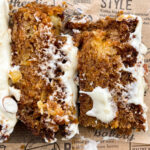
Discover the Magic of Classic Carrot Cake
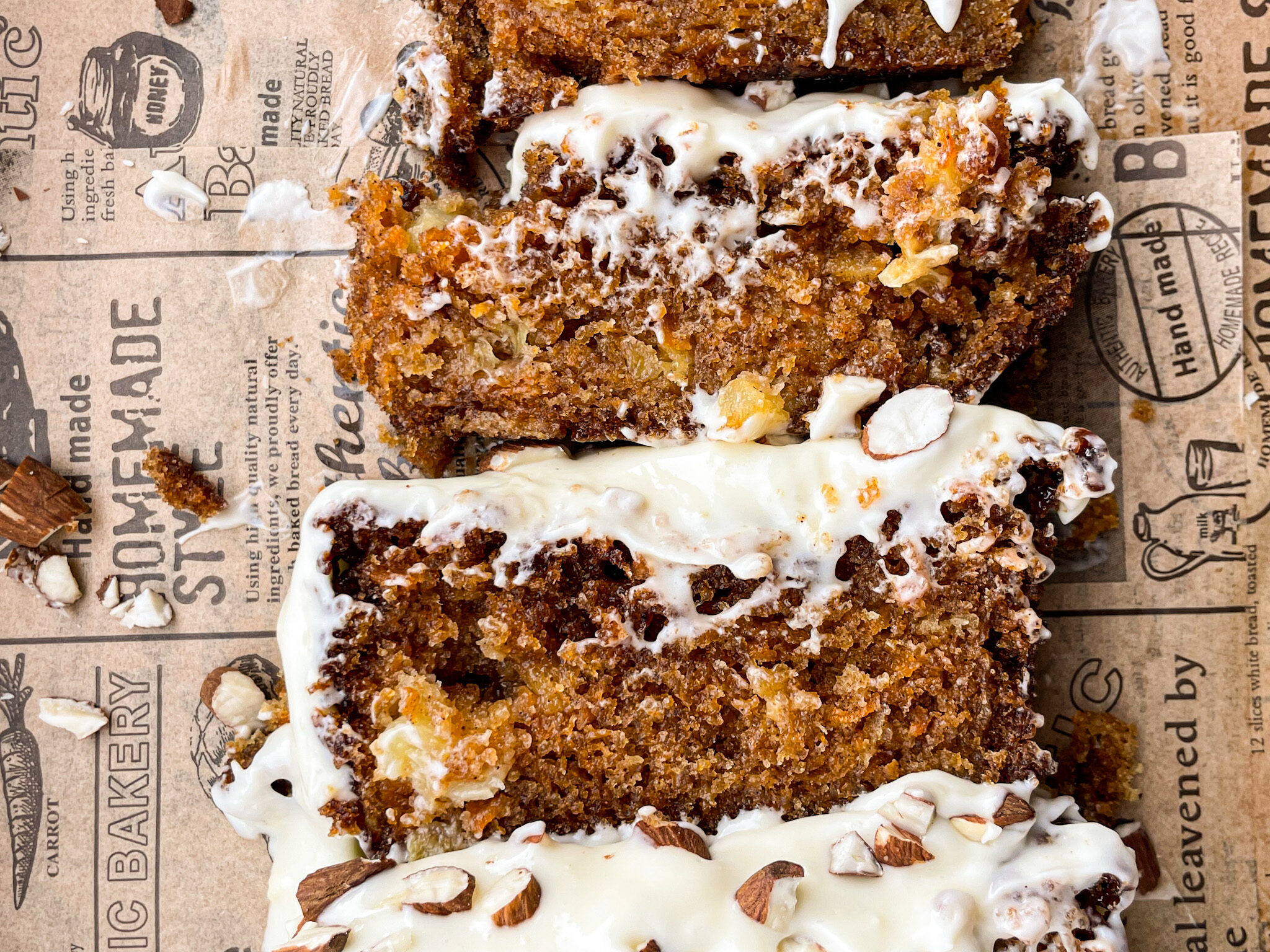
There’s something truly special about a slice of classic carrot cake that brings comfort to any occasion. This classic carrot cake recipe delivers everything you crave in a perfect dessert: moist texture, warm spices, and rich cream cheese frosting that melts in your mouth. Whether you’re celebrating a birthday, hosting a weekend brunch, or simply treating yourself to an afternoon indulgence, this classic carrot cake never disappoints. The combination of fresh grated carrots, aromatic cinnamon, and sweet pineapple creates a harmonious blend that appeals to everyone at the table.
What makes this classic carrot cake stand out is its perfect balance of flavors and textures. The natural sweetness from carrots pairs beautifully with warm spices like cinnamon and nutmeg, creating layers of complexity in every bite. The addition of crushed pineapple keeps the cake incredibly moist, while chopped pecans add a delightful crunch. This isn’t just another dessert recipe; it’s a time-tested favorite that has graced family tables for generations.
Why This Recipe is Special
This classic carrot cake recipe has been perfected through years of baking experience. Unlike other versions that can be dense or dry, this recipe produces a tender crumb that practically melts on your tongue. The secret lies in the careful balance of wet and dry ingredients, combined with the perfect baking temperature and time. Every element works together to create a dessert that looks as stunning as it tastes.
The cream cheese frosting elevates this classic carrot cake from good to extraordinary. Its tangy richness cuts through the sweetness of the cake, providing a sophisticated flavor profile that adults and children alike appreciate. The smooth, creamy texture of the frosting complements the soft cake layers perfectly, making each forkful an absolute pleasure.
Key Ingredients Overview
Fresh carrots form the foundation of any great classic carrot cake. When you grate your own carrots, you ensure maximum moisture and sweetness in your final product. The carrots add natural sweetness, beautiful color, and important nutrients that make this dessert feel a bit less guilty. Paired with crushed pineapple, the moisture level reaches perfection, creating a cake that stays fresh for days.
The spice blend in this classic carrot cake is carefully calibrated. Cinnamon provides the dominant warm note, while hints of nutmeg add depth and complexity. Vanilla extract ties everything together, enhancing both the sweetness and the spice notes. These aromatic ingredients transform simple ingredients into something truly memorable.
Understanding What Makes Classic Carrot Cake Perfect
The science behind a perfect classic carrot cake involves understanding how ingredients interact. Carrots contain natural sugars and moisture that contribute to the cake’s tender texture. When grated finely, they distribute evenly throughout the batter, ensuring consistent flavor and moisture in every slice. The vegetable’s fiber also helps create structure without making the cake heavy.
Oil is preferred over butter in this classic carrot cake recipe for a specific reason. Oil remains liquid at room temperature, which keeps the cake moist even when refrigerated. This is crucial because cream cheese frosting requires refrigeration, and butter-based cakes can become firm when chilled. The oil ensures your cake stays tender and delicious at any temperature.
The Role of Leavening Agents
Both baking powder and baking soda work together in this classic carrot cake to create the perfect rise. Baking soda reacts with acidic ingredients like pineapple and brown sugar, creating carbon dioxide bubbles that make the cake light. Baking powder provides additional lift and helps create an even crumb structure throughout the cake. This dual-leavening approach ensures your cake rises beautifully without becoming too airy or delicate.
The proportion of leavening agents must be precise. Too much will cause the cake to rise too quickly and then collapse, leaving you with a dense, sunken center. Too little means your classic carrot cake will be heavy and compact. This recipe has been tested to achieve optimal height and texture every time.
Why Fresh Ingredients Matter
Using fresh, high-quality ingredients makes a noticeable difference in your classic carrot cake. Fresh carrots have more moisture and natural sweetness than older, stored carrots. They grate more easily and incorporate more smoothly into the batter. Similarly, fresh spices have more potent flavors than old ones sitting in your pantry for years. Check the dates on your baking powder and baking soda too, as expired leavening agents won’t provide proper lift.
Room temperature eggs blend more easily into the batter, creating a smoother, more homogeneous mixture. Cold eggs can cause the batter to seize or become lumpy, affecting the final texture of your classic carrot cake. Taking the time to bring ingredients to room temperature is a small step that yields significant improvements.
Choosing the Right Ingredients for Your Classic Carrot Cake
Quality ingredients are the foundation of an exceptional classic carrot cake. Start with fresh carrots that are firm and bright orange. Avoid carrots that are limp, dry, or have cracks, as these won’t provide the moisture and sweetness you need. Organic carrots often have superior flavor, though conventional carrots work perfectly fine if they’re fresh.
Your choice of oil affects both flavor and texture. Vegetable oil is neutral and allows the other flavors in your classic carrot cake to shine. Canola oil is another excellent option. Some bakers prefer using half oil and half melted coconut oil for a subtle tropical note that complements the pineapple. Avoid strongly flavored oils like olive oil, which can overpower the delicate spice balance.
Selecting the Best Spices
Cinnamon is the star spice in classic carrot cake, so invest in good quality. Ceylon cinnamon offers a sweeter, more delicate flavor than Cassia cinnamon, though both work well. For the best flavor, purchase whole cinnamon sticks and grind them yourself, or buy small quantities of ground cinnamon and replace them every six months. Fresh spices make a remarkable difference in the final taste.
Nutmeg adds warm, slightly sweet undertones to your classic carrot cake. Freshly grated nutmeg provides the most intense flavor, but pre-ground nutmeg is convenient and still delicious. Some bakers also add a pinch of ginger or cloves for additional complexity. These spices should complement, not compete with, the cinnamon.
Choosing Nuts and Add-Ins
Pecans are traditional in classic carrot cake, offering a buttery flavor and pleasant crunch. Walnuts provide a slightly more robust, earthy taste that many people prefer. Toast your nuts lightly before adding them to the batter to intensify their flavor and create better texture contrast. Chop them to your preferred size, from fine pieces to chunky chunks.
Crushed pineapple is essential for moisture in this classic carrot cake. Use canned pineapple packed in juice, not syrup, to avoid making the cake too sweet. Drain the pineapple well, but don’t squeeze it completely dry. You want to retain some moisture while preventing the batter from becoming too wet. The pineapple adds subtle tropical sweetness that beautifully complements the carrots.
Cream Cheese Selection
The frosting on your classic carrot cake deserves attention too. Use full-fat cream cheese, not reduced-fat or whipped varieties. These lighter versions contain more water and less fat, which results in a runny frosting that won’t hold its shape. Bring the cream cheese to room temperature before mixing to ensure a smooth, lump-free frosting.
Similarly, use real butter, not margarine, in your frosting. Butter provides superior flavor and a silkier texture. Unsalted butter allows you to control the salt level in your classic carrot cake frosting precisely. The combination of quality cream cheese and butter creates a frosting that’s both stable and incredibly delicious.
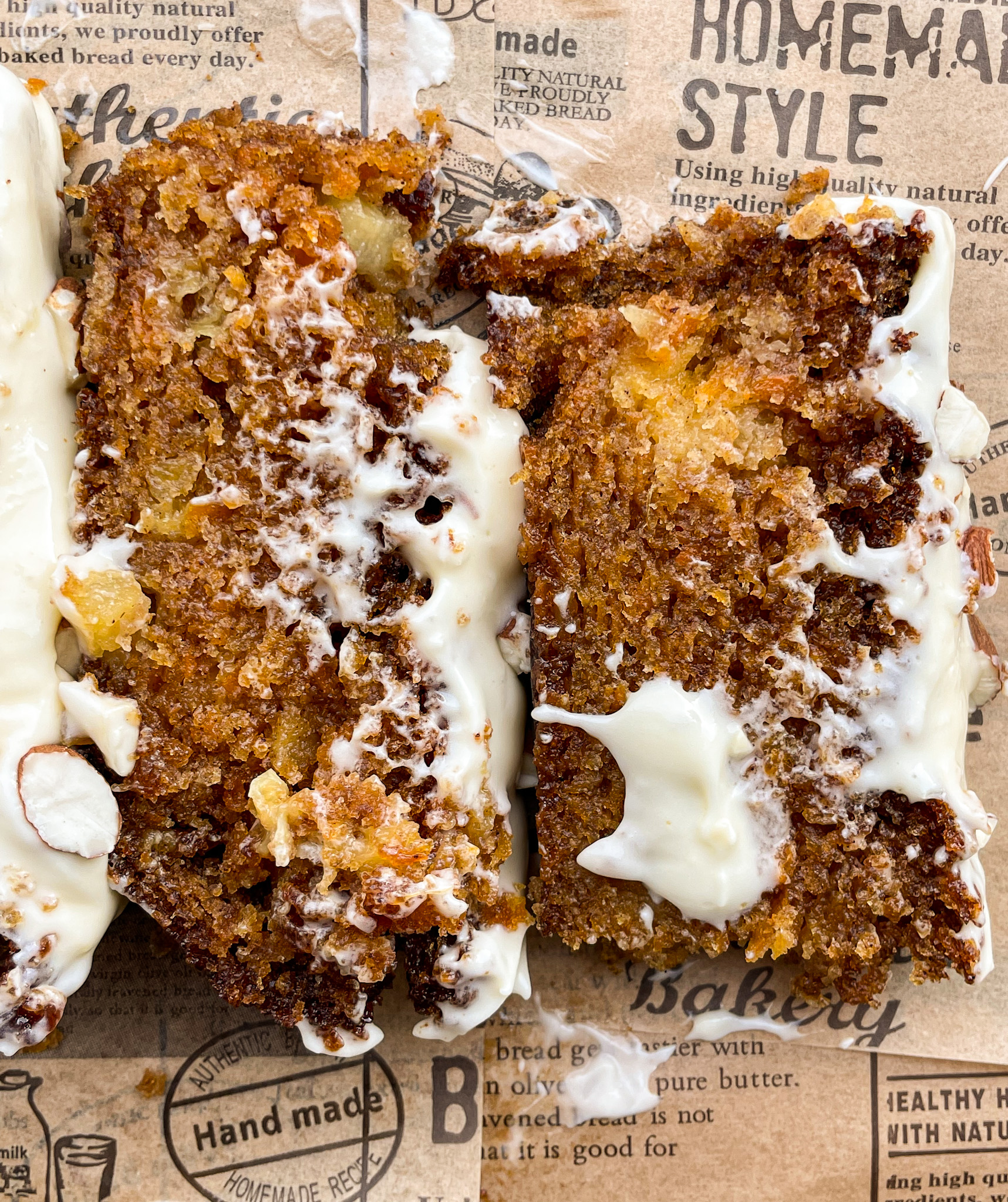
Step-by-Step Instructions for Perfect Classic Carrot Cake
Creating an outstanding classic carrot cake requires attention to detail at every stage. These comprehensive instructions will guide you through the process, ensuring success even if you’re a beginner baker. Follow each step carefully, and you’ll be rewarded with a dessert that rivals any bakery version.
Preparation Steps
Begin by preheating your oven to 350 degrees Fahrenheit. This temperature is crucial for baking a classic carrot cake with the ideal texture. Too hot, and the outside will brown before the inside cooks through. Too cool, and the cake will be dense and heavy. While the oven preheats, prepare your baking pans by greasing them thoroughly with butter or cooking spray, then dusting with flour. This prevents sticking and ensures your cake releases cleanly.
Grate your carrots using the medium holes on a box grater or a food processor with a grating attachment. You’ll need about three cups of grated carrots for this classic carrot cake. Grate them just before mixing the batter to preserve maximum moisture and freshness. Set the grated carrots aside while you prepare the other ingredients.
Drain your crushed pineapple in a fine-mesh strainer, gently pressing to remove excess liquid. You want the pineapple moist but not dripping wet. Too much liquid will make your classic carrot cake batter too thin and affect the baking time. Save the pineapple juice for another use, like smoothies or cocktails.
Mixing the Batter
In a large mixing bowl, combine the vegetable oil and granulated sugar. Whisk them together until well blended and slightly lighter in color. This process helps incorporate air into the mixture, which contributes to a lighter texture in your classic carrot cake. Add the eggs one at a time, beating well after each addition. This gradual incorporation prevents the mixture from separating.
Stir in the vanilla extract, ensuring it’s evenly distributed throughout the wet ingredients. The vanilla enhances all the other flavors in your classic carrot cake, making the spices more pronounced and the sweetness more complex. Don’t skip this ingredient, as it truly makes a difference in the final taste.
In a separate bowl, whisk together the all-purpose flour, baking powder, baking soda, salt, and cinnamon. Whisking dry ingredients together ensures even distribution of the leavening agents and spices throughout your classic carrot cake. This step prevents pockets of baking soda or concentrated cinnamon in the finished cake.
Combining Wet and Dry Ingredients
Add the dry ingredients to the wet mixture in three additions, stirring gently after each addition. Mix just until the flour disappears; overmixing develops gluten, which makes your classic carrot cake tough and chewy instead of tender and light. The batter should be thick but pourable, with a consistency similar to thick pancake batter.
Fold in the grated carrots, drained pineapple, and chopped pecans using a rubber spatula. Use gentle folding motions to distribute these ingredients evenly without deflating the batter. The batter for classic carrot cake will be quite thick and chunky at this point, which is exactly what you want. Every spoonful should contain carrots, pineapple, and nuts.
Baking Process
Divide the batter evenly between your prepared pans. For layer cakes, use two nine-inch round pans. For a sheet cake version of this classic carrot cake, use a thirteen-by-nine-inch pan. Smooth the tops with a spatula, spreading the batter into the corners and edges. Tap the pans gently on the counter to release any air bubbles.
Place the pans in the preheated oven, positioning them on the center rack for even heat distribution. Bake the classic carrot cake for approximately thirty-five to forty minutes for round layers, or forty-five to fifty minutes for a sheet cake. The exact time varies depending on your oven and pan material. Glass and dark pans conduct heat differently than light metal pans.
Check for doneness by inserting a toothpick into the center of the cake. It should come out clean or with just a few moist crumbs attached. The top of your classic carrot cake should spring back when lightly pressed, and the edges should just start pulling away from the pan sides. Don’t open the oven door before thirty minutes, as this can cause the cake to sink.
Cooling and Frosting
Remove the pans from the oven and place them on wire cooling racks. Let the cakes cool in the pans for fifteen minutes. This resting period allows the structure to set, making the classic carrot cake easier to remove from the pans without breaking. After fifteen minutes, run a knife around the edges and invert the cakes onto the cooling racks.
Allow the cakes to cool completely before frosting, which typically takes about two hours at room temperature. Frosting a warm cake causes the cream cheese frosting to melt and slide off. While the cakes cool, prepare your frosting by beating the softened cream cheese and butter until fluffy and smooth.
Add the powdered sugar gradually, beating well after each addition. Continue beating until the frosting is light, fluffy, and perfectly smooth. Taste and adjust the sweetness if desired. The frosting for your classic carrot cake should be spreadable but hold its shape when piped or swirled.
Professional Tips for Outstanding Classic Carrot Cake
Even experienced bakers can benefit from professional techniques that elevate their classic carrot cake from good to exceptional. These tips come from years of baking experience and countless batches of this beloved dessert. Implementing even a few of these suggestions will noticeably improve your results.
Achieving Maximum Moisture
The moisture level in classic carrot cake is crucial for its signature texture. Beyond using oil and pineapple, consider the way you measure your flour. Spoon the flour into your measuring cup rather than scooping directly from the bag, which compacts the flour and adds too much to your recipe. Level off the top with a straight edge for accuracy. Too much flour creates a dry, dense cake.
Don’t drain your pineapple too aggressively. While you don’t want a soupy batter, some moisture from the pineapple contributes to the tender crumb of your classic carrot cake. The balance between wet and dry ingredients is delicate, and the pineapple liquid plays an important role. Similarly, freshly grated carrots contain more moisture than pre-shredded packages, which are often dried to prevent clumping.
Enhancing Flavor Depth
Toast your spices in a dry pan for thirty seconds before adding them to your classic carrot cake batter. This brief heating releases essential oils and intensifies the flavors dramatically. You’ll notice a more pronounced, complex spice profile in the finished cake. Let the toasted spices cool completely before measuring and adding them to the dry ingredients.
Consider adding a tablespoon of molasses to the wet ingredients for deeper flavor complexity. Molasses adds subtle caramel notes and enhances the warm spices in your classic carrot cake. It also contributes to the cake’s beautiful brown color and adds moisture. Don’t add more than a tablespoon, as too much can make the cake heavy and overly sweet.
Perfecting Your Frosting Technique
Temperature control is everything when making cream cheese frosting for classic carrot cake. Both the cream cheese and butter must be at the same temperature, ideally around sixty-five to seventy degrees Fahrenheit. If one is colder than the other, the frosting will be lumpy and difficult to spread smoothly. Take both ingredients out of the refrigerator at the same time and let them sit for about an hour.
Beat the cream cheese and butter together before adding any sugar. This creates a smooth base that prevents lumps in your classic carrot cake frosting. Start on low speed to avoid splattering, then increase to medium-high. Beat for three to five minutes until the mixture is light, fluffy, and perfectly homogeneous. Only then should you begin adding powdered sugar.
Creating Professional Presentation
For layer cakes, use a serrated knife to level the tops of your cake layers if they’ve domed during baking. Flat layers stack more evenly and create a more professional appearance in your classic carrot cake. Save the trimmings to snack on or crumble over ice cream. Place the first layer cut-side up on your serving plate, which creates a stable, flat surface for frosting.
Apply a thin crumb coat of frosting to seal in any loose crumbs before adding the final layer of frosting to your classic carrot cake. Spread a very thin layer over the entire cake, then refrigerate for thirty minutes until the frosting firms up. This step prevents crumbs from mixing into your final frosting layer, resulting in a clean, bakery-quality finish.
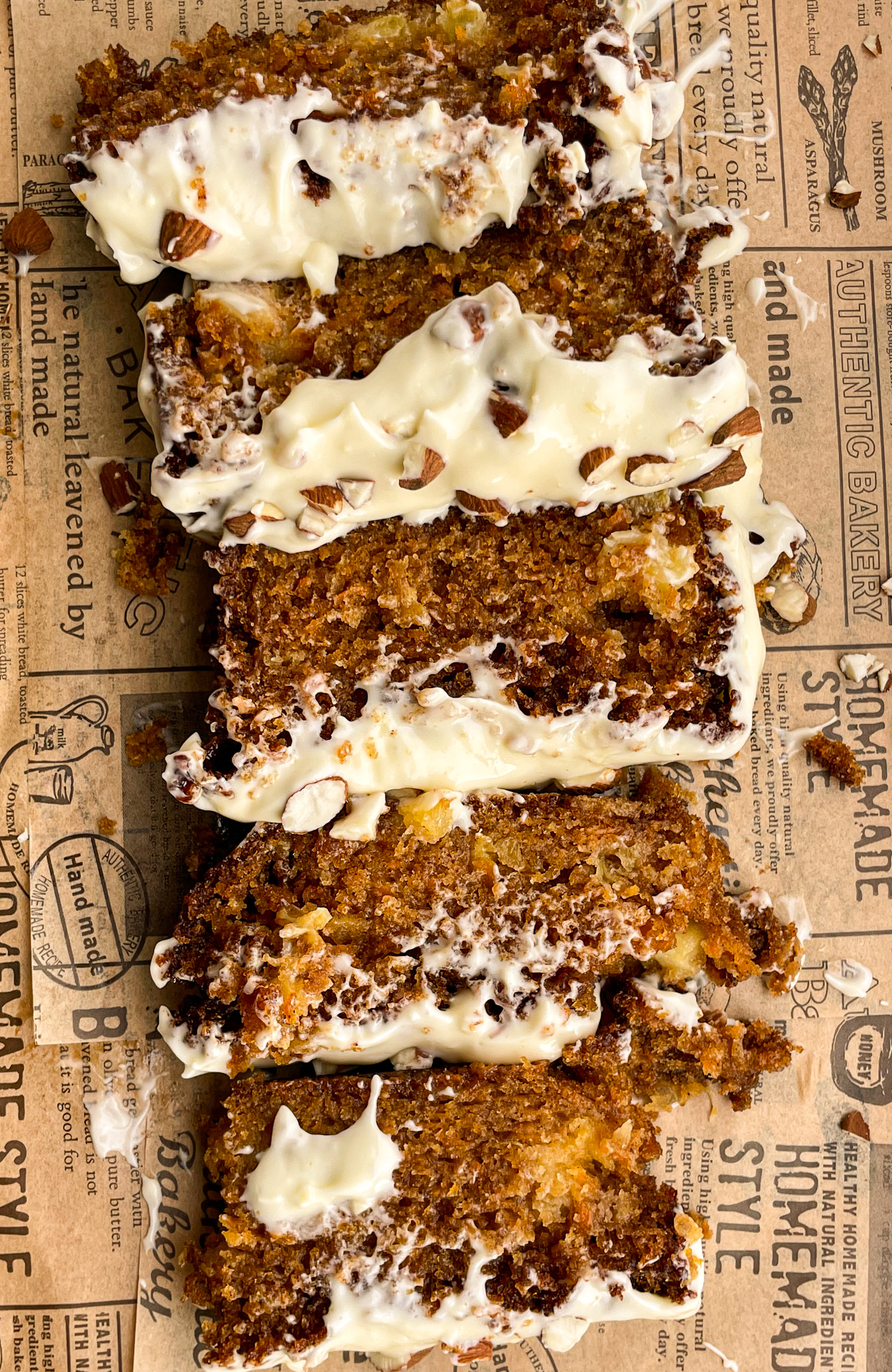
Common Mistakes to Avoid When Making Classic Carrot Cake
Even experienced bakers sometimes encounter problems with this recipe. Understanding these common pitfalls helps you avoid them and ensures your classic carrot cake turns out perfectly every time. Learn from others’ mistakes rather than making them yourself.
Overmixing the Batter
Overmixing is perhaps the most common mistake when making classic carrot cake. Once you add the flour mixture to the wet ingredients, mix only until the flour just disappears. Continuing to beat the batter develops gluten strands, which create a tough, chewy texture instead of the tender crumb you want. The batter should look slightly lumpy and thick, not smooth and thin.
When folding in the carrots, pineapple, and nuts, use gentle folding motions with a rubber spatula. Aggressive stirring at this stage can also develop gluten and deflate the air bubbles you’ve created. Your classic carrot cake should be light and tender, which requires a delicate hand during mixing. Remember, unlike bread dough, cake batter should be handled minimally.
Using the Wrong Pan Size
Pan size significantly affects baking time and texture in classic carrot cake. Using pans that are too small causes the batter to overflow and bake unevenly. Too large, and the cake becomes thin and dry, baking too quickly before developing proper structure. Stick to the recommended nine-inch round pans for layers or a thirteen-by-nine-inch pan for sheet cake.
Dark-colored pans absorb more heat than light-colored ones, causing the edges and bottom of your classic carrot cake to brown too quickly. If you only have dark pans, reduce the oven temperature by twenty-five degrees and check for doneness five minutes earlier than the recipe suggests. Glass pans also conduct heat differently, requiring similar adjustments.
Inadequate Cooling Time
Rushing the cooling process is a mistake that ruins many classic carrot cake attempts. If you frost the cake while it’s still warm, the cream cheese frosting will melt and slide off, creating a messy disaster. The cake must be completely cool to the touch, which means room temperature throughout, not just cool on the outside.
Similarly, don’t rush removing the cake from the pans. The structure needs time to set during the initial cooling period. Attempting to remove your classic carrot cake too soon often results in broken, crumbly layers. Patience during cooling prevents heartbreak later.
Incorrect Frosting Consistency
Frosting that’s too thin won’t hold its shape on your classic carrot cake, while frosting that’s too thick is difficult to spread smoothly. The consistency depends heavily on ingredient temperatures and the amount of powdered sugar used. If your frosting is too thin, add more powdered sugar a quarter cup at a time. If it’s too thick, add a teaspoon of milk or cream.
Never try to fix soft frosting by refrigerating it on the cake. This causes the frosting to become hard and lose its creamy texture. Instead, refrigerate the frosting by itself for fifteen minutes if needed, then rebeat it before applying to your classic carrot cake. This maintains the smooth, spreadable consistency you want.
Variations to Try with Your Classic Carrot Cake
Once you’ve mastered the basic classic carrot cake recipe, experimenting with variations keeps things interesting. These modifications maintain the essential character of the cake while adding new dimensions of flavor and texture. Feel free to mix and match ideas to create your own signature version.
Spice Variations
While the classic spice blend is perfect, some bakers prefer a more complex profile in their classic carrot cake. Add half a teaspoon of ground ginger for a subtle warmth and slight bite. Ginger pairs beautifully with carrots and enhances the overall spice complexity. A quarter teaspoon of ground cloves adds deep, aromatic notes that complement cinnamon wonderfully.
For a chai-spiced version of classic carrot cake, add cardamom and a pinch of black pepper along with the cinnamon. This creates an exotic flavor profile that surprises and delights. The cardamom provides floral, citrus notes while the pepper adds gentle heat that enhances the other spices. Start with small amounts and adjust to your taste preferences.
Nut and Mix-In Options
While pecans are traditional, walnuts offer a different flavor dimension in classic carrot cake. Their slightly bitter, earthy taste provides excellent contrast to the sweet cake and frosting. Toasted hazelnuts create a sophisticated variation with their rich, buttery flavor. You can also combine multiple nuts for added complexity and texture.
Raisins are a classic addition that many people love in their classic carrot cake. Golden raisins are milder and less likely to discolor the batter than dark raisins. Soak them in warm water or orange juice for fifteen minutes before adding to plump them up and intensify their sweetness. Dried cranberries offer a tart alternative that balances the cake’s sweetness beautifully.
Frosting Alternatives
Traditional cream cheese frosting is beloved, but variations can be delicious on classic carrot cake. Brown butter cream cheese frosting adds nutty, caramel notes that complement the spices perfectly. Simply brown your butter before creaming it with the cream cheese, allowing it to cool to room temperature first.
Maple cream cheese frosting replaces some of the powdered sugar with pure maple syrup, creating deeper, more complex sweetness in your classic carrot cake. Use grade B or dark maple syrup for the most pronounced flavor. You may need to add extra powdered sugar to achieve the right consistency since the syrup adds liquid.
Size and Shape Variations
Transform your classic carrot cake into cupcakes for easier serving and portion control. Fill muffin tins two-thirds full and bake for eighteen to twenty-two minutes. Cupcakes are perfect for parties and allow for creative frosting decoration. They also freeze beautifully for make-ahead convenience.
A bundt pan creates an elegant presentation for classic carrot cake without requiring frosting skills. The beautiful shape speaks for itself. Grease and flour the pan thoroughly, paying special attention to the center tube and decorative ridges. A simple cream cheese glaze drizzled over the top provides the traditional flavor without the need for spreading frosting.
Storage and Reheating Your Classic Carrot Cake
Proper storage ensures your classic carrot cake stays fresh and delicious for days after baking. The cream cheese frosting requires refrigeration, which affects how you store and serve the cake. Follow these guidelines to maintain optimal quality and food safety.
Short-Term Storage
Store your classic carrot cake in the refrigerator in an airtight container or covered with plastic wrap. The cream cheese frosting contains dairy and must be kept cold to prevent bacterial growth. Properly stored, the cake stays fresh for up to five days, though it’s usually devoured much faster. Place it toward the back of the refrigerator where the temperature is most stable.
Before serving refrigerated classic carrot cake, let it sit at room temperature for thirty minutes. This allows the flavors to bloom and the texture to soften slightly. Cold cake straight from the refrigerator can taste muted and feel dense. The brief warming period makes a significant difference in flavor and enjoyment.
Long-Term Freezing
Classic carrot cake freezes exceptionally well, making it perfect for advance preparation. Wrap unfrosted cake layers tightly in plastic wrap, then again in aluminum foil. Properly wrapped, they’ll maintain quality in the freezer for up to three months. Label the packages with the date so you remember when you made them.
Freeze the cream cheese frosting separately in an airtight container. When ready to use, thaw both the cake and frosting in the refrigerator overnight. Let the frosting come to room temperature and rebeat it briefly before spreading on your classic carrot cake. This restores its smooth, creamy texture after freezing.
Reheating Guidelines
While classic carrot cake is traditionally served at room temperature, some people enjoy it slightly warmed. Individual slices can be microwaved for ten to fifteen seconds, which softens the cake and makes the frosting extra creamy. Don’t overdo it, or the frosting will melt completely and become runny.
For a crowd, you can warm an entire unfrosted classic carrot cake in a three-hundred-degree oven for ten minutes. Cover it with foil to prevent drying. This method works well for day-old cake that’s become slightly firm. Add the frosting after warming for the best texture and presentation.
Frequently Asked Questions About Classic Carrot Cake
These common questions about classic carrot cake come up frequently. The answers will help you troubleshoot problems and understand the recipe better, ensuring success every time you bake.
Can I make classic carrot cake ahead of time?
Absolutely! Classic carrot cake is an excellent make-ahead dessert. Bake the cake layers up to two days in advance, wrap them well, and refrigerate. Prepare the frosting the day before and store it in the refrigerator. Assemble and frost the cake a few hours before serving, or even the day before. The flavors actually improve as the cake sits, making this an ideal choice for special occasions.
Why did my classic carrot cake sink in the middle?
Several factors cause sinking. Opening the oven door too early releases heat and stops the rising process. Overmixing develops too much gluten, creating a structure that collapses. Too much leavening causes the cake to rise too quickly and then fall. Finally, underbaking leaves the center too wet to support itself. Follow the recipe precisely and avoid opening the oven before the minimum baking time.
Can I reduce the sugar in classic carrot cake?
You can reduce the sugar slightly, but this affects both texture and moisture. Sugar isn’t just for sweetness; it also tenderizes the crumb and helps retain moisture. Reducing sugar by more than twenty-five percent significantly impacts the final result. The carrots and pineapple provide natural sweetness, but they can’t compensate for drastically reduced sugar. If you must reduce it, start by cutting the sugar by one-quarter cup and evaluate the results.
What makes classic carrot cake so moist?
The moisture comes from multiple sources working together. Oil stays liquid at all temperatures, unlike butter which solidifies when cold. Grated carrots release moisture as they bake. Crushed pineapple adds liquid throughout the cake. These elements combine to create the signature tender, moist texture that makes classic carrot cake so beloved. The balance of wet to dry ingredients is carefully calibrated in this recipe.
How do I prevent my frosting from being too sweet?
Add a pinch of salt to your cream cheese frosting to balance the sweetness. The salt enhances other flavors and makes the sugar less cloying. Using full-fat cream cheese rather than reduced-fat versions also helps, as the extra richness balances the sweetness. Some bakers add a teaspoon of vanilla extract or a tablespoon of sour cream to cut the sweetness while adding complexity to their classic carrot cake frosting.
Can I substitute whole wheat flour?
You can replace up to half the all-purpose flour with whole wheat flour in classic carrot cake. Using more than half creates a dense, heavy texture that most people find unappealing in this type of cake. Whole wheat pastry flour works better than regular whole wheat flour because it has less gluten. The cake will be slightly denser and have a nuttier flavor, which some people prefer.
Final Thoughts on Making Classic Carrot Cake
Creating the perfect classic carrot cake is an achievable goal for any home baker. This recipe provides a reliable foundation that produces consistent, delicious results every time you make it. The combination of fresh ingredients, proper technique, and a little patience rewards you with a dessert that impresses everyone who tastes it.
Remember that baking is both science and art. While you should follow the measurements and instructions carefully, don’t be afraid to make this classic carrot cake your own. Adjust the spices to match your preferences, experiment with different nuts, or try the flavor variations suggested above. Each batch you make builds your skills and confidence.
This classic carrot cake brings people together around the table. Whether you’re celebrating a special occasion or simply enjoying a quiet afternoon with coffee, this cake creates moments of happiness and connection. The time you invest in making it from scratch shows care and love for the people you’re feeding.
Now that you have all the information, tips, and techniques you need, it’s time to gather your ingredients and start baking. Your kitchen will soon fill with the warm, comforting aromas of cinnamon and vanilla. Before you know it, you’ll be slicing into a beautiful, moist classic carrot cake that rivals any professional bakery. Happy baking!
See this full recipe video on YouTube channel.
See our similar recipes:
People also like our these recipes:
THE BATTER
- 3/4 cup vegetable oil
- 1 cup sugar
- 2 eggs at room temperature
- 1 cup all-purpose flour sifted
- 1 tsp baking powder sifted
- 1 tsp baking soda sifted
- 1/2 tsp salt
- 1 tbsp ground cinnamon
- 1 1/2 cup shredded carrots
- 1/2 small can of crushed pineapples lightly drained
- Chopped pecans for topping optional
THE CREAM CHEESE FROSTING
- 1/2 stick unsalted butter at room temperature
- 180 g cream cheese at room temperature
- 1 pack vanilla
- 2 cups powdered sugar
Preheat your oven to 175°C. Grease a 9×5-inch loaf pan and line it with parchment paper, leaving some overhang for easy removal later.
In a large bowl, whisk together the granulated sugar, vegetable oil, and 2 large eggs until smooth. Stir in 1 teaspoon of vanilla extract.
Add in all the dry ingredients and mix.
Add in the pineapples and carrots and mix till combined.
Pour the batter into the prepared loaf pan, smoothing the top with a spatula.
Place the pan in the oven and bake for 50-65 minutes, or until a toothpick inserted into the center comes out clean or with a few moist crumbs.
Allow the cake to cool in the pan for about 10 minutes, then use the parchment overhang to lift the cake out and transfer it to a wire rack to cool completely.
While the cake cools, beat together the softened cream cheese, unsalted butter, powdered sugar and vanilla.
Once the cake is completely cooled, drizzle the cream cheese glaze over the top. Slice and enjoy!
If you've given this recipe a try and it won you over, please share your thoughts by leaving
a rating and comment below! If you have any questions about this recipe, don't hesitate to ask – I'm here to
help and will respond promptly.