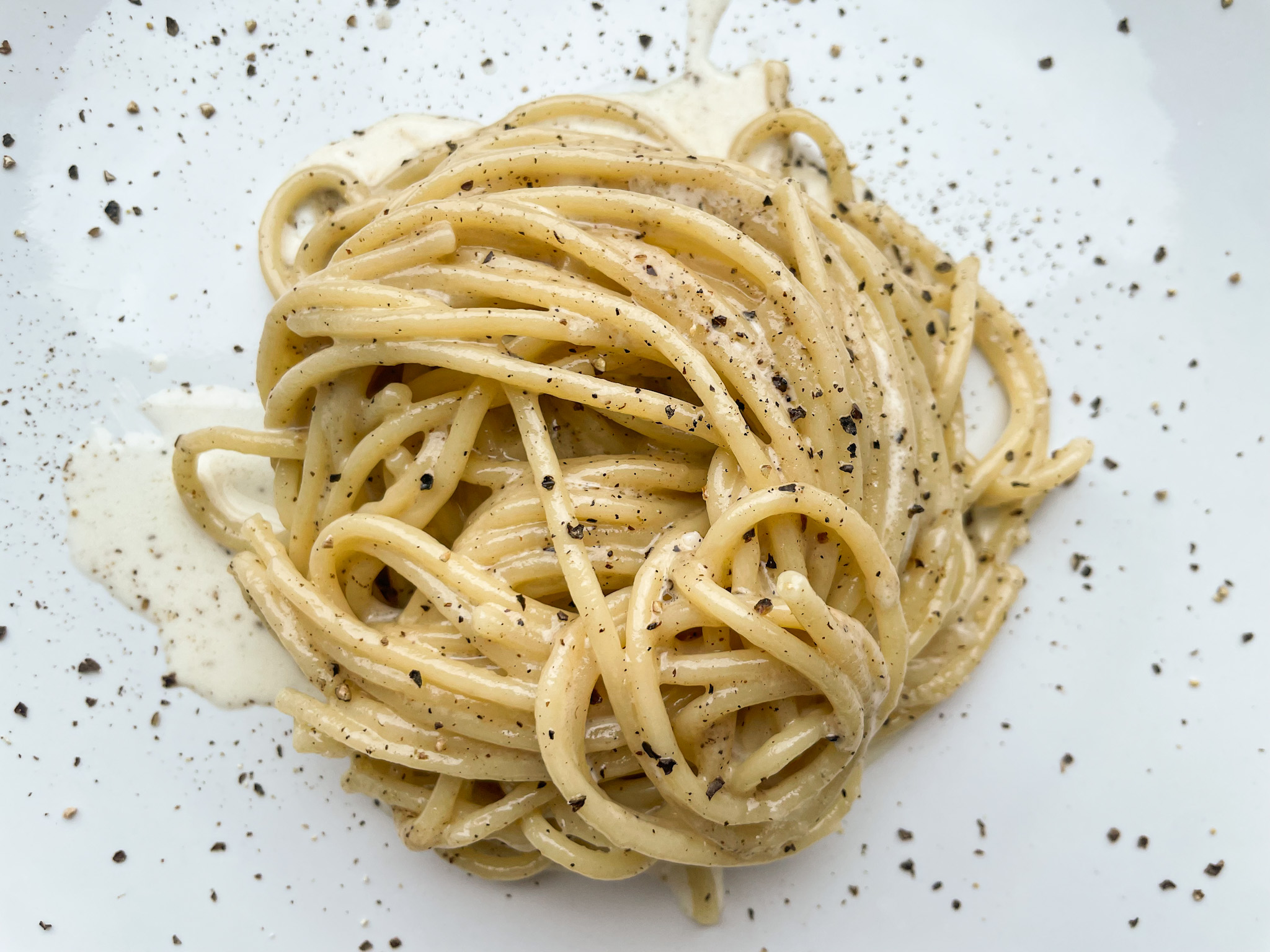
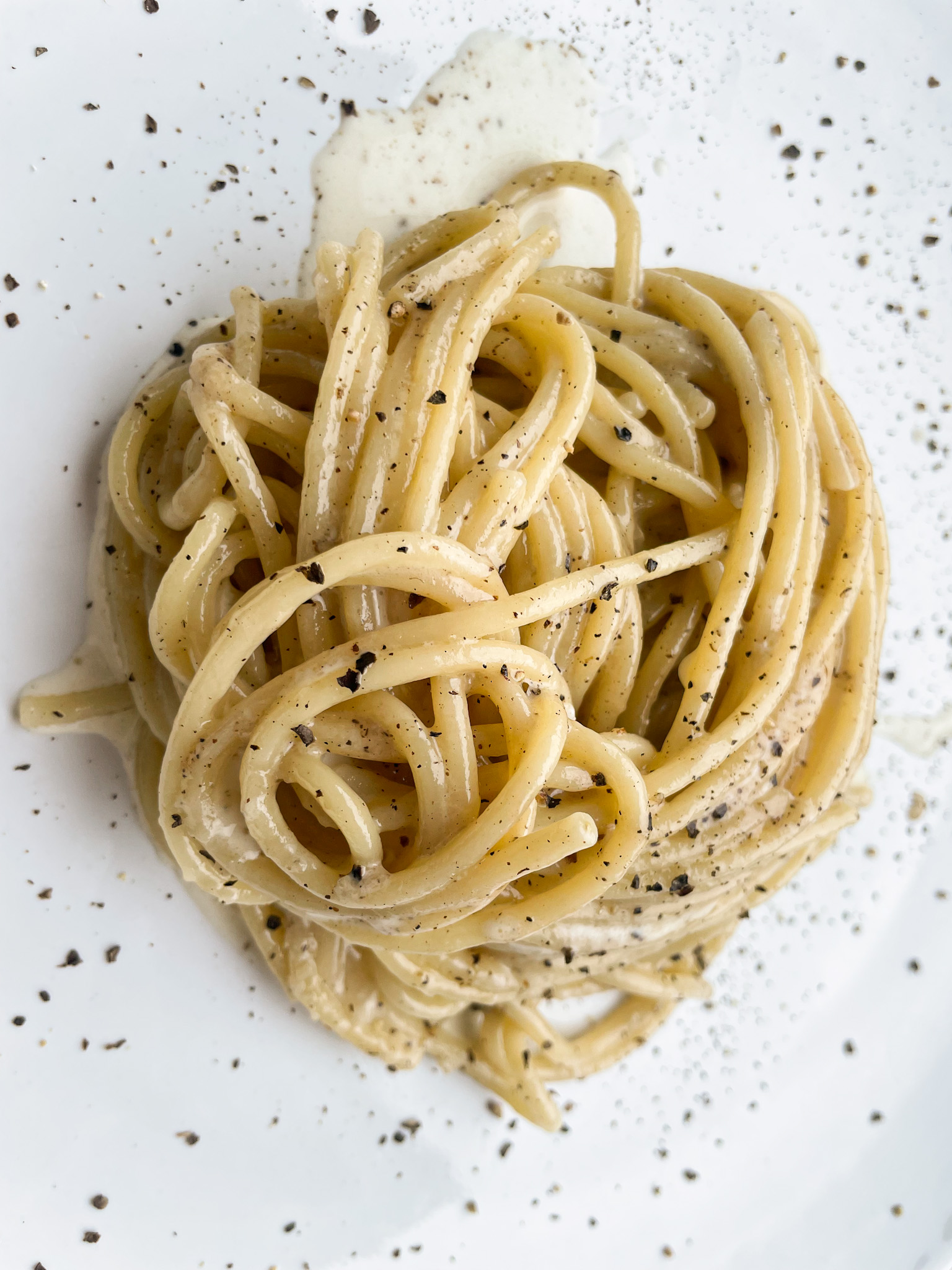
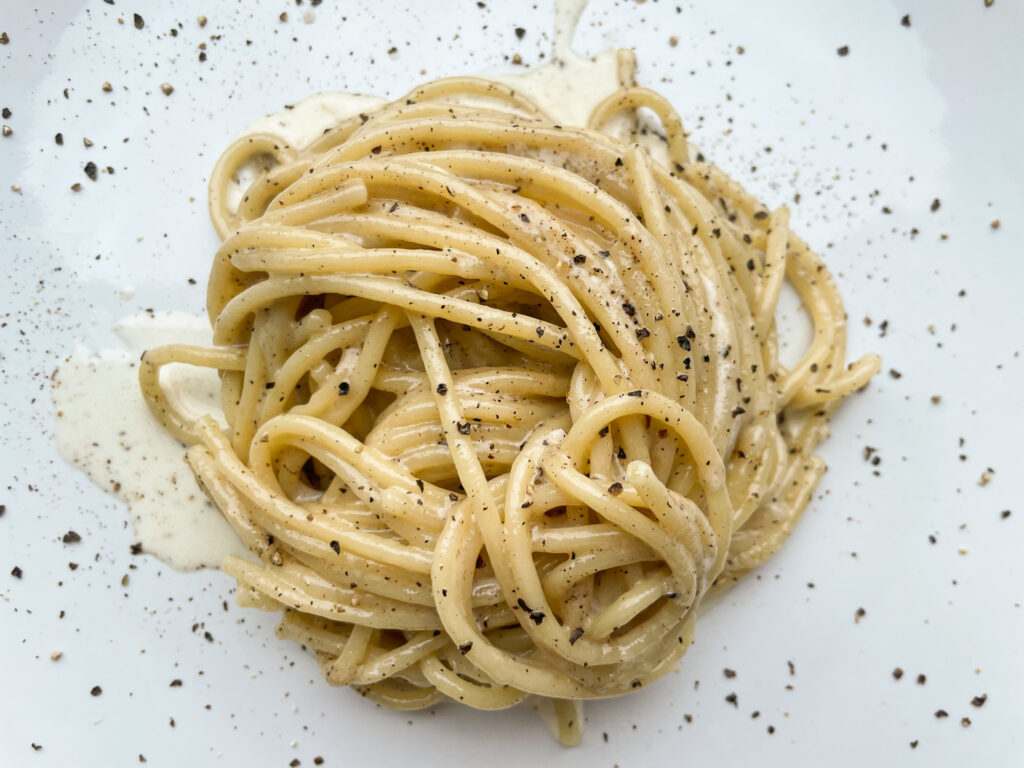
Welcome to the elegant world of Cacio e Pepe Recipe, where four simple ingredients create one of Italy’s most beloved pasta dishes. This delightful Roman creation literally translates to “cheese and pepper,” and it’s your new weeknight dinner hero. The Cacio e Pepe Recipe is a breeze to whip up, making it the ultimate choice for busy evenings when you want something seriously indulgent.
What makes this Cacio e Pepe Recipe truly special is how it transforms humble ingredients into something extraordinary through proper technique. The combination of spaghetti, black pepper, Pecorino Romano cheese, and a touch of butter creates a creamy, peppery sauce that coats every strand of pasta. This uncomplicated yet flavorful dish packs a ton of flavor in every bite.
This Cacio e Pepe Recipe embodies the Italian philosophy that great food doesn’t require complicated ingredients or techniques. With just fifteen minutes from start to finish, you can create restaurant-quality pasta that impresses everyone at your table. Say hello to delicious simplicity and make your weeknight dinners a joy with this classic Roman treasure.
Why This Recipe is Special
Cacio e Pepe Recipe stands apart from other pasta dishes because of its beautiful simplicity and reliance on technique rather than ingredients. There’s nowhere to hide with only four components, so each one must be perfect. The magic happens when starchy pasta water emulsifies with cheese to create a silky sauce without cream.
Another reason this Cacio e Pepe Recipe is exceptional is its incredible speed without sacrificing flavor. While the pasta cooks, you prepare everything else. By the time you drain the noodles, you’re ready to toss and serve. This efficiency makes it perfect for those evenings when hunger strikes and time is limited.
Key Components Overview
Creating perfect Cacio e Pepe Recipe requires understanding how each ingredient contributes to the final dish. The pasta provides the foundation and starchy cooking water that creates the sauce. Black pepper isn’t just seasoning; it’s a primary flavor component that must be toasted. Pecorino Romano cheese creates creaminess and salty, nutty flavor. Butter adds richness and helps the emulsification.
The technique in your Cacio e Pepe Recipe matters as much as ingredients. The pasta water temperature, the speed of tossing, and the ratio of cheese to liquid all affect whether you achieve that signature creamy sauce or end up with clumpy cheese. Mastering these details ensures success every time.
Understanding Roman Pasta Tradition
Cacio e Pepe Recipe represents one of Rome’s four classic pasta dishes, alongside Carbonara, Amatriciana, and Gricia. These recipes share a common thread of simplicity, using few ingredients to maximum effect. Roman cuisine celebrates quality over quantity, letting each component shine.
The origins of Cacio e Pepe Recipe trace back to shepherds in the hills around Rome. They needed portable, shelf-stable ingredients that could create satisfying meals. Dried pasta, hard cheese, and black pepper fit perfectly. This humble beginning created a dish now served in restaurants worldwide.
The Role of Pecorino Romano
Pecorino Romano is essential to authentic Cacio e Pepe Recipe. This Italian sheep’s milk cheese boasts a sharp, rich, nutty flavor that defines the dish. The cheese is aged, creating intensity that stands up to bold black pepper. Its granular texture melts beautifully when handled properly.
The saltiness of Pecorino Romano in your Cacio e Pepe Recipe means you rarely need additional salt. The cheese provides all the seasoning necessary. This concentrated flavor is why quality matters; inferior cheese produces inferior results.
Black Pepper as Star Ingredient
Black pepper isn’t just background seasoning in Cacio e Pepe Recipe; it’s a featured player. The peppery heat balances the rich cheese, preventing the dish from tasting one-dimensional. Freshly cracked pepper provides more flavor than pre-ground, with essential oils that dissipate over time.
Toasting the pepper for your Cacio e Pepe Recipe awakens its aromatic compounds. This brief heating in butter or dry pan intensifies flavor and aroma. The peppercorns should smell fragrant and toasty, not burnt.
Selecting Quality Ingredients
With only four ingredients in Cacio e Pepe Recipe, quality matters tremendously. Each component contributes significantly to the final result. Investing in the best versions of these simple ingredients ensures success.
Buy authentic Pecorino Romano for your Cacio e Pepe Recipe from a cheese counter rather than pre-grated from a bag. The difference in flavor is substantial. Look for cheese labeled “Pecorino Romano DOP” to ensure authenticity.
Cheese Considerations
Real Pecorino Romano for your Cacio e Pepe Recipe comes from specific regions in Italy using traditional methods. The DOP designation guarantees authenticity. This cheese has protected status, like champagne from Champagne, France.
If you cannot find Pecorino Romano for your Cacio e Pepe Recipe, Parmigiano-Reggiano serves as a totally acceptable alternative. While it won’t taste identical, Parmesan creates a delicious variation. Some cooks use a combination of both cheeses for complex flavor.
Grating Technique
Use a microplane or fine grater for your Cacio e Pepe Recipe cheese. The fine grate ensures the cheese melts evenly into the sauce rather than clumping. Larger shreds don’t incorporate as smoothly and can create texture issues.
Grate cheese fresh just before making your Cacio e Pepe Recipe. Pre-grated cheese contains anti-caking agents that prevent smooth melting. The few minutes of grating makes a significant difference in final texture.
Pepper Selection
Whole black peppercorns freshly ground or cracked work best for Cacio e Pepe Recipe. Pre-ground pepper lacks the punch and aroma of fresh. Invest in a good pepper mill or use a mortar and pestle to crack peppercorns.
The coarseness of pepper in your Cacio e Pepe Recipe is personal preference. Some prefer finely ground for even distribution, while others like coarsely cracked for bursts of heat. Experiment to find your ideal texture.
Pasta Shape Options
Spaghetti is traditional for Cacio e Pepe Recipe, but several shapes work beautifully. Bucatini, thick spaghetti with a hollow center, creates a heartier version. Linguini provides more surface area for sauce to cling. Rigatoni offers a different eating experience with tubular shape.
Choose high-quality pasta for your Cacio e Pepe Recipe, preferably Italian bronze-cut varieties. The rough surface created by bronze dies helps sauce adhere better than smooth, Teflon-cut pasta. The texture difference is noticeable.
Mastering the Technique
The technique separates good Cacio e Pepe Recipe from great. This deceptively simple dish requires understanding emulsification and temperature control. Once you master the method, you’ll create perfect results consistently.
The key to creamy Cacio e Pepe Recipe is creating an emulsion between cheese and starchy pasta water. This transforms grated cheese into a silky sauce without cream. Temperature, motion, and ratios all affect success.
Cooking Pasta Properly
Cook pasta for your Cacio e Pepe Recipe in well-salted water until al dente. The water should taste like the sea. Al dente pasta has a slight bite in the center and continues cooking when tossed with hot ingredients.
Reserve at least two cups of pasta cooking water before draining for your Cacio e Pepe Recipe. This starchy liquid is essential for creating the sauce. The starch helps cheese emulsify rather than clump.
Toasting the Pepper
Melt butter in a large pan over medium heat for your Cacio e Pepe Recipe. Add cracked black pepper and toast for about one minute until fragrant. Don’t burn the pepper; it should smell aromatic and toasty.
This toasting step for your Cacio e Pepe Recipe is crucial for developing flavor. The heat releases essential oils in the pepper, intensifying taste and aroma. Skipping this creates one-dimensional peppery heat rather than complex spiciness.
Creating the Emulsion
Remove the pan from heat before adding cheese to your Cacio e Pepe Recipe. This prevents the cheese from overheating and separating. Add about half the grated cheese and a splash of pasta water, tossing vigorously.
The motion is crucial for your Cacio e Pepe Recipe emulsion. Use tongs to lift and toss the pasta continuously. This constant movement combined with pasta water creates a creamy sauce. Add more water gradually if the sauce seems thick.
Temperature Control
Temperature management makes or breaks Cacio e Pepe Recipe. The pan should be hot enough to melt cheese but not so hot it seizes. Removing from direct heat before adding cheese prevents overheating.
If your Cacio e Pepe Recipe sauce looks broken or clumpy, add warm pasta water and toss vigorously. The starchy water works magic, bringing the sauce back together. Don’t give up; keep tossing and adding water gradually.
Step-by-Step Instructions
Creating perfect Cacio e Pepe Recipe becomes easy when you break it into clear steps. Following this method ensures consistent results. The entire process takes about fifteen minutes from start to finish.
Bring a large pot of water to boil for your Cacio e Pepe Recipe. Salt it generously; you want about two tablespoons of salt per pound of pasta. The well-salted water is your only chance to season the pasta itself.
Pasta Cooking
Add pasta to boiling water for your Cacio e Pepe Recipe and cook according to package directions minus one minute. The pasta should be al dente with slight resistance when bitten. It continues cooking when tossed with hot cheese.
About two minutes before the pasta finishes cooking, start preparing the sauce for your Cacio e Pepe Recipe. This timing ensures everything comes together while hot. Cold pasta doesn’t emulsify well with cheese.
Building the Sauce
Melt butter in a large skillet over medium heat for your Cacio e Pepe Recipe. Add black pepper and toast for one minute until fragrant. The butter should sizzle and the pepper should smell aromatic.
Reserve two cups of pasta water before draining for your Cacio e Pepe Recipe. This starchy liquid is gold. You’ll use it to create the creamy sauce and adjust consistency.
Combining Components
Add drained pasta directly to the pepper butter for your Cacio e Pepe Recipe. Toss to coat evenly. Remove the pan from heat completely. This off-heat step is crucial for preventing cheese from seizing.
Add half the grated cheese and a half cup of pasta water to your Cacio e Pepe Recipe. Toss vigorously with tongs, lifting and turning the pasta continuously. The sauce will look broken initially but comes together with tossing.
Final Adjustments
Add remaining cheese gradually to your Cacio e Pepe Recipe, tossing constantly. Add more pasta water as needed to achieve creamy consistency. The sauce should coat each strand of pasta without pooling in the bottom.
Taste your Cacio e Pepe Recipe and adjust seasoning if needed. The cheese provides most of the salt, but you might want more pepper. Serve immediately while hot and creamy.
Common Mistakes to Avoid
The simplicity of Cacio e Pepe Recipe means small mistakes show prominently. Understanding common pitfalls helps you avoid them. Most issues relate to temperature or technique rather than ingredients.
Clumpy cheese is the most common problem with Cacio e Pepe Recipe. This happens when cheese hits a pan that’s too hot or when you don’t toss vigorously enough. The solution is removing from heat and adding warm pasta water while tossing constantly.
Temperature Issues
Adding cheese to a pan that’s too hot causes it to seize in your Cacio e Pepe Recipe. The proteins in cheese coagulate when overheated, creating grainy texture instead of creamy sauce. Always remove from direct heat before adding cheese.
Conversely, cold pasta water won’t help emulsify your Cacio e Pepe Recipe properly. The water should be hot from cooking the pasta. If you let it cool too much, warm it before adding to the sauce.
Insufficient Tossing
Creating Cacio e Pepe Recipe sauce requires vigorous, constant motion. You can’t add cheese and stir gently; you must toss continuously with tongs. This movement combined with hot starchy water creates emulsification.
Use a large pan with high sides for your Cacio e Pepe Recipe to make tossing easier. The pan should accommodate all the pasta with room to lift and turn. A too-small pan makes proper tossing impossible.
Wrong Cheese Consistency
Using pre-shredded cheese ruins Cacio e Pepe Recipe texture. The anti-caking agents prevent smooth melting. Always grate cheese fresh from a block using a fine grater or microplane.
Grating cheese too coarsely for your Cacio e Pepe Recipe also causes problems. Large shreds don’t melt as readily as finely grated cheese. The fine grate increases surface area, promoting even melting.
Creative Variations
The classic Cacio e Pepe Recipe is perfection, but variations create new experiences while honoring the original. These modifications maintain the spirit of simplicity while offering different flavors or dietary accommodations.
Add protein to your Cacio e Pepe Recipe for a more substantial meal. Sautéed shrimp pairs beautifully with the peppery cheese sauce. Grilled chicken provides heartiness without overwhelming delicate flavors.
Protein Additions
Cook shrimp separately for your Cacio e Pepe Recipe, then toss them in at the end. Season simply with salt and pepper so they don’t compete with the pasta. About half a pound of shrimp serves four people.
Grilled chicken breast sliced thin works wonderfully in Cacio e Pepe Recipe. The mild chicken complements rather than competes with the cheese and pepper. Season it with just salt, pepper, and olive oil before grilling.
Vegetable Incorporations
Add blanched asparagus or peas to your Cacio e Pepe Recipe for color and nutrition. These spring vegetables complement the rich cheese without overpowering it. Add them when you toss the pasta with cheese.
Roasted broccoli or Brussels sprouts create heartier Cacio e Pepe Recipe variations. Roast them separately with olive oil and salt, then toss with the finished pasta. The caramelized vegetables add depth.
Gluten-Free Option
Make gluten-free Cacio e Pepe Recipe by swapping regular pasta for your favorite gluten-free variety. Choose a high-quality brand that holds up to boiling. The cooking water will be less starchy, so you may need slightly less.
The sauce technique for gluten-free Cacio e Pepe Recipe remains the same. Reserve extra pasta water since gluten-free varieties sometimes require more liquid to achieve creamy consistency.
Serving Suggestions
Cacio e Pepe Recipe shines as a main course but also works beautifully as a side dish. The rich, peppery pasta pairs well with simple proteins and light vegetables. Consider the entire meal when planning portions.
Serve your Cacio e Pepe Recipe immediately after preparing while it’s hot and creamy. The sauce thickens as it cools and doesn’t maintain the same silky texture. Have diners ready at the table before you start finishing the dish.
Portion Considerations
As a main course, your Cacio e Pepe Recipe serves four people with one pound of pasta. As a side dish, it easily serves six to eight. The richness means a little goes a long way.
Pair your Cacio e Pepe Recipe with a simple green salad for a complete meal. The crisp, acidic salad cuts through the richness perfectly. Use a lemon vinaigrette to complement the pasta.
Wine Pairing
White wine pairs beautifully with Cacio e Pepe Recipe. Choose something crisp and acidic like Vermentino or Frascati. The acidity balances the rich cheese while the wine’s body matches the pasta.
Red wine works if you prefer, especially with protein additions to your Cacio e Pepe Recipe. Choose something light and peppery like Chianti. Avoid heavy reds that overwhelm the delicate cheese flavor.
Storage and Reheating
Cacio e Pepe Recipe is best fresh, but leftovers can be saved and reheated successfully with proper technique. The sauce separates when refrigerated but comes back together with gentle reheating and added liquid.
Store leftover Cacio e Pepe Recipe in an airtight container refrigerated for up to three days. The pasta absorbs sauce as it sits, so leftovers will be drier than fresh. This is normal and easily corrected during reheating.
Microwave Method
Reheat your Cacio e Pepe Recipe in the microwave by placing it in a microwave-safe bowl with a splash of water. The water helps reconstitute the sauce. Microwave for forty-five seconds, stir, then continue heating in thirty-second intervals.
Be cautious not to overheat your Cacio e Pepe Recipe or you’ll dry out the pasta. Heat just until warm throughout. The sauce won’t be as creamy as fresh but still tastes delicious.
Stovetop Reheating
For best results, reheat Cacio e Pepe Recipe on the stovetop. Add the pasta to a pan with a few tablespoons of water or milk. Heat gently over medium-low, tossing constantly until warmed through and the sauce comes together.
The stovetop method for your Cacio e Pepe Recipe creates texture closer to fresh than microwave reheating. The gentle heat and added liquid help emulsify the sauce again.
Frequently Asked Questions
Can I use Parmesan instead of Pecorino?
Yes, Parmigiano-Reggiano works as a substitute in Cacio e Pepe Recipe. The flavor will be different but still delicious. Parmesan is milder and less salty than Pecorino Romano. Some cooks prefer a blend of both cheeses.
Why is my sauce clumpy?
Clumpy sauce in Cacio e Pepe Recipe happens when cheese overheats or you don’t toss enough. Add warm pasta water and toss vigorously. The starchy water helps bring the sauce together. Remove from heat before adding cheese to prevent overheating.
How much pepper should I use?
Use about one to two teaspoons of freshly cracked black pepper for one pound of pasta in Cacio e Pepe. Adjust to taste; some prefer more pepper heat. Start conservatively and add more if desired.
Can I make this ahead?
Cacio e Pepe Recipe is best made fresh and served immediately. The sauce doesn’t hold well. You can prep ingredients ahead by grating cheese and cracking pepper, but cook and assemble just before serving.
What if I don’t have butter?
Traditional Cacio e Pepe Recipe doesn’t include butter; it’s just pasta, cheese, pepper, and pasta water. The butter adds richness but isn’t essential. Skip it for a more authentic version or use olive oil instead.
How do I get creamy sauce without cream?
The creaminess in Cacio e Pepe Recipe comes from emulsifying cheese with starchy pasta water through vigorous tossing. No cream is needed. The starch in the water helps cheese melt into a sauce rather than clumping.
Can I use dried pasta?
Yes, dried pasta works perfectly for Cacio e Pepe Recipe. In fact, it’s traditional. Choose high-quality Italian pasta, preferably bronze-cut for better texture. Fresh pasta works too but isn’t necessary.
Why does the recipe call for so little salt?
Pecorino Romano is very salty, providing most seasoning for Cacio e Pepe Recipe. You only need to salt the pasta water. Taste the finished dish before adding more salt; you probably won’t need it.
Final Thoughts
This Cacio e Pepe Recipe represents Italian cooking at its finest—simple ingredients elevated through proper technique. The combination of pasta, cheese, pepper, and butter creates something magical that’s more than the sum of its parts. Every creamy, peppery bite delivers satisfaction without complexity.
The beauty of Cacio e Pepe Recipe lies in its accessibility and speed. With just fifteen minutes and four ingredients, you create restaurant-quality pasta that impresses without stress. The technique requires practice, but mastering it opens doors to understanding emulsification and Italian cooking principles.
Don’t be intimidated by the simplicity of Cacio e Pepe Recipe. While it seems basic, the dish teaches valuable skills about sauce-making and ingredient quality. Once you perfect this classic, you’ll return to it repeatedly for its delicious combination of ease and elegance.
Gather your ingredients and experience the joy of creating authentic Roman pasta. Your kitchen will smell amazing, and every silky, peppery strand will remind you that the best food often comes from the simplest recipes. Make this Cacio e Pepe Recipe your weeknight dinner hero today.
If you’ve given this recipe a try and it won you over, please share your thoughts by leaving a rating and comment below! If you have any questions about this recipe, don’t hesitate to ask – I’m here to help and will respond promptly.
Meet our fantastic Cacio e Pepe recipe – your new weeknight dinner hero! With only four ingredients, it's a breeze to whip up, making it the ultimate choice for those busy evenings. Get ready for a dish that's not just quick but also seriously indulgent, packing a ton of flavor in every bite. Say hello to delicious simplicity and make your weeknight dinners a joy!
Begin by bringing a generously salted pot of water to a rolling boil. Add the pasta and follow the instructions on the package for cooking time. Before draining, remember to save at least 1/2 cup of the pasta cooking water.
Grate 1 cup of Pecorino Romano cheese.
Heat a large pan over medium heat and sauté 3tsp of pepper in 1 Tbsp of olive oil for 1-2 minutes.
Pour½ cup of pasta water into the pan and cook for an additional minute.
Add the cooked pasta to the pan and stir to coat. Let it cook for 1 more minute, then turn off the heat.
Gradually incorporate the grated cheese, stirring quickly to create a creamy sauce that thoroughly coats the pasta. If it’s too dry, add 1 Tbsp of pasta water at a time until you achieve the desired creamy consistency.
Taste-test and adjust salt if needed.
Serve immediately, garnishing with more pepper and Pecorino Romano. Enjoy your meal!
If you've given this recipe a try and it won you over, please share your thoughts by leaving
a rating and comment below! If you have any questions about this recipe, don't hesitate to ask – I'm here to
help and will respond promptly.
Meet our fantastic Cacio e Pepe recipe – your new weeknight dinner hero! With only four ingredients, it's a breeze to whip up, making it the ultimate choice for those busy evenings. Get ready for a dish that's not just quick but also seriously indulgent, packing a ton of flavor in every bite. Say hello to delicious simplicity and make your weeknight dinners a joy!
Prep Time
10 mins
Cook Time
10 mins
Marination Time
2 hrs
Total Time
2 hrs 20 mins
Course
Appetizer
Cuisine
American
Servings
6 PIECES
Ingredients
250 g pasta
1 cup pecorino romano cheese
2 tbsp cracked black pepper
1 tbsp olive oil
1/2 cup pasta water
Instructions
Begin by bringing a generously salted pot of water to a rolling boil. Add the pasta and follow the instructions on the package for cooking time. Before draining, remember to save at least 1/2 cup of the pasta cooking water.
Grate 1 cup of Pecorino Romano cheese.
Heat a large pan over medium heat and sauté 3tsp of pepper in 1 Tbsp of olive oil for 1-2 minutes.
Pour½ cup of pasta water into the pan and cook for an additional minute.
Add the cooked pasta to the pan and stir to coat. Let it cook for 1 more minute, then turn off the heat.
Gradually incorporate the grated cheese, stirring quickly to create a creamy sauce that thoroughly coats the pasta. If it’s too dry, add 1 Tbsp of pasta water at a time until you achieve the desired creamy consistency.
Taste-test and adjust salt if needed.
Serve immediately, garnishing with more pepper and Pecorino Romano. Enjoy your meal!
Keywords: simple green salad, green salad, everyday salad