Discover Comfort Food with a Healthy Twist
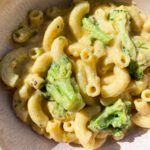
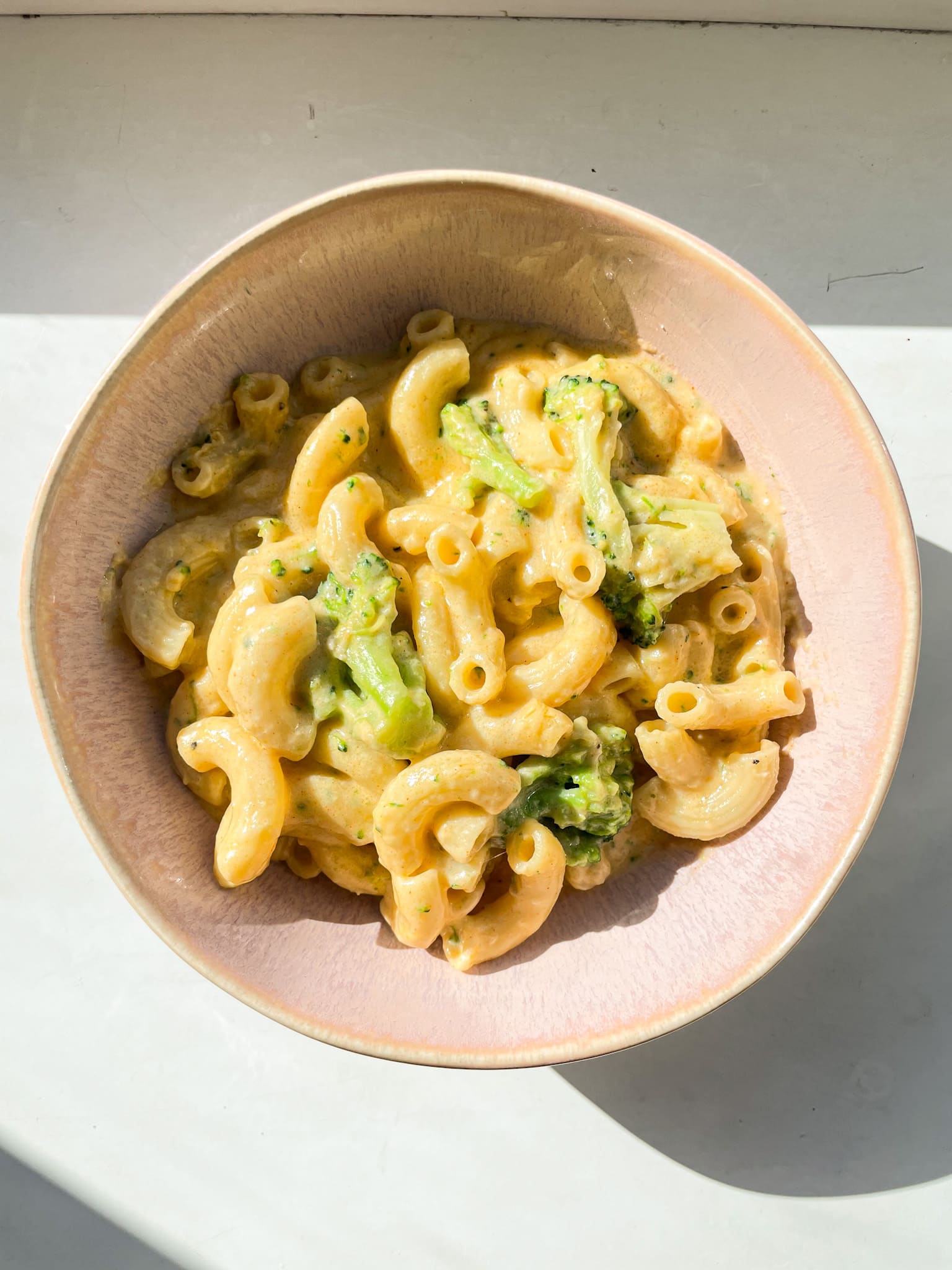
Welcome to the delicious world of Broccoli Mac and Cheese, where creamy, cheesy indulgence meets wholesome nutrition in perfect harmony. This extraordinary dish takes the classic comfort food we all love and adds vibrant green broccoli that transforms it into a more balanced, satisfying meal. Broccoli Mac and Cheese proves that comfort food can include vegetables without sacrificing flavor or creaminess.
What makes this Broccoli Mac and Cheese truly special is how the tender broccoli florets absorb the rich cheese sauce beautifully. The vegetable doesn’t just sit in the dish; it becomes an integral part of the experience, adding freshness and texture that complements the creamy pasta. This is comfort food you can feel good about serving to your family.
This Broccoli Mac and Cheese is ultra creamy, ultra cheesy, and surprisingly quick to make. Ready in under thirty minutes, it’s perfect for busy weeknight dinners when you want something satisfying without spending hours in the kitchen. The dish is also kid-friendly and even wins over picky eaters who normally avoid vegetables.
Why This Recipe is Special
Broccoli Mac and Cheese stands apart from basic mac and cheese because it provides a complete meal in one dish. The addition of broccoli adds vitamins, minerals, and fiber while creating a more interesting texture profile. You get the indulgence of classic mac and cheese with the nutrition of a vegetable side dish combined.
Another reason this Broccoli Mac and Cheese is exceptional is its incredible versatility. You can customize it with different cheeses, add proteins like chicken or bacon, or top it with crispy breadcrumbs for baked version. The base recipe adapts easily to dietary preferences and whatever ingredients you have on hand.
Key Components Overview
Creating perfect Broccoli Mac and Cheese requires understanding several key elements. The pasta should be cooked al dente since it continues absorbing sauce after draining. The broccoli can be steamed for soft texture or roasted for caramelized flavor. The cheese sauce must be smooth and creamy, coating every piece of pasta and vegetable evenly.
Each ingredient in your Broccoli Mac and Cheese plays a specific role. The roux made from butter and flour thickens the milk into sauce. Freshly grated cheese melts smoothly without the anti-caking agents found in pre-shredded varieties. Sharp cheddar provides flavor while mozzarella adds creaminess and stretch.
Understanding Cheese Sauce Science
The foundation of excellent Broccoli Mac and Cheese is a properly made cheese sauce, also called Mornay sauce in French cooking. This creamy, smooth sauce coats pasta and broccoli while providing that signature mac and cheese comfort. Understanding the science helps you create perfect sauce every time.
A cheese sauce for Broccoli Mac and Cheese starts with a roux, which is equal parts butter and flour cooked together. The roux acts as a thickening agent when combined with milk. The proteins in milk bond with the starch in flour, creating a thick, velvety base that holds melted cheese in suspension.
The Roux Foundation
Making a roux for your Broccoli Mac and Cheese requires melting butter over medium heat and whisking in flour. Cook this mixture for one to two minutes to eliminate the raw flour taste. The roux should smell slightly nutty and look smooth and bubbly.
Don’t brown the roux too much for your Broccoli Mac and Cheese. A white or blonde roux works best for cheese sauce, maintaining the light color and mild flavor. Darker rouxs add nutty taste that can compete with cheese rather than supporting it.
Adding Milk Properly
Pour milk into the roux gradually for your Broccoli Mac and Cheese while whisking constantly. Adding liquid slowly prevents lumps from forming. The mixture will look thick and pasty initially, then gradually thin as you incorporate more milk.
Use whole milk for the creamiest Broccoli Mac and Cheese sauce. The fat content creates richness and helps cheese melt smoothly. Lower-fat milk works but produces thinner, less luxurious sauce. Heat the milk to a simmer before adding cheese.
Melting Cheese Successfully
Remove the sauce from heat before adding cheese to your Broccoli Mac and Cheese. Adding cheese to boiling liquid can cause it to separate and become grainy. The residual heat is sufficient to melt cheese smoothly when stirred.
Add cheese gradually to your Broccoli Mac and Cheese sauce, stirring until each addition melts completely before adding more. This patient approach creates the smoothest, creamiest sauce. Rushing and dumping all the cheese in at once often results in clumps.
Selecting the Right Pasta
Pasta shape significantly impacts the eating experience of Broccoli Mac and Cheese. The right shape captures sauce in its curves or hollow centers, ensuring every bite includes creamy cheese. Several pasta shapes work beautifully with this dish.
Elbow macaroni is the classic choice for Broccoli Mac and Cheese because of its small size and curved shape. The curves catch and hold sauce while the size matches broccoli florets perfectly. This traditional option never disappoints.
Alternative Pasta Shapes
Ziti, penne, or rigatoni work excellently in your Broccoli Mac and Cheese. These tubular pastas have hollow centers that fill with sauce. Their larger size creates heartier portions that feel more substantial. The ridges on rigatoni grip sauce particularly well.
Shells or cavatappi make fun alternatives for your Broccoli Mac and Cheese. Shell pasta cups hold pools of cheese sauce, while twisted cavatappi adds visual interest. Choose shapes that will capture and hold sauce rather than letting it slide off.
Cooking Pasta Correctly
Cook pasta al dente for your Broccoli Mac and Cheese, meaning slightly firm to the bite. Since the pasta continues cooking in the hot cheese sauce, undercooking prevents it from becoming mushy. Follow package directions but reduce cooking time by one to two minutes.
Salt the pasta water generously for your Broccoli Mac and Cheese. This is your only opportunity to season the pasta itself. The water should taste like the sea. Well-seasoned pasta makes the entire dish taste better.
Pasta Water Benefits
Reserve one cup of starchy pasta cooking water before draining for your Broccoli Mac and Cheese. This liquid helps thin sauce if it becomes too thick while adding flavor and helping cheese emulsify. The starch content helps sauce cling to pasta.
Don’t rinse pasta after draining for your Broccoli Mac and Cheese. The surface starch helps sauce adhere. Rinsing removes this beneficial coating and cools the pasta, which you want to remain hot for mixing with sauce.
Preparing Perfect Broccoli
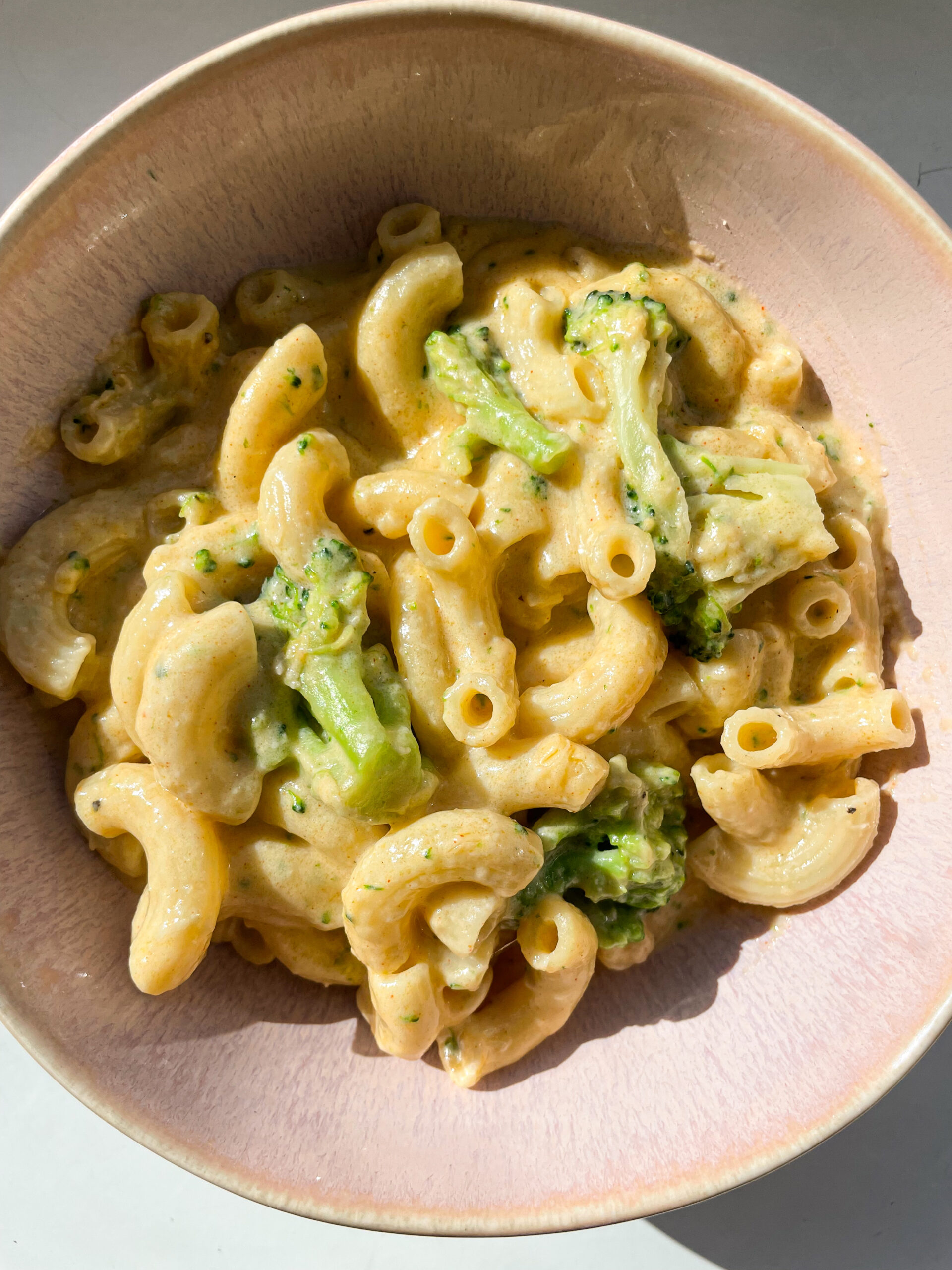
The broccoli in your Broccoli Mac and Cheese should be tender yet still have some bite. Overcooked, mushy broccoli becomes unappetizing and loses nutritional value. Proper preparation ensures the vegetable enhances rather than detracts from the dish.
Cut broccoli into small, bite-sized florets for your Broccoli Mac and Cheese. Uniform size ensures even cooking. The pieces should be similar in size to the pasta you’re using for cohesive eating experience.
Steaming Method
Steaming produces tender broccoli for your Broccoli Mac and Cheese with bright green color and minimal nutrient loss. Bring one inch of water to boil in a pot, add broccoli to a steamer basket, cover, and steam for two to three minutes until crisp-tender.
Steamed broccoli blends seamlessly into your Broccoli Mac and Cheese sauce with soft texture. This method works well when you want the vegetable to become part of the creamy mixture rather than maintaining distinct presence.
Roasting Alternative
Roasting creates caramelized, slightly crispy broccoli for your Broccoli Mac and Cheese with deeper flavor. Toss florets with olive oil, salt, and pepper, then roast at 425°F for fifteen to twenty minutes until edges brown.
Roasted broccoli adds texture contrast to your Broccoli Mac and Cheese. The caramelized edges provide savory depth that complements creamy sauce beautifully. This method works especially well in baked versions where textural variety enhances the dish.
Blanching Technique
Blanching broccoli for your Broccoli Mac and Cheese involves briefly boiling then shocking in ice water. This method sets the bright green color while maintaining crisp-tender texture. Boil for two minutes, transfer to ice bath, then drain thoroughly.
Blanched broccoli stays vibrant green in your Broccoli Mac and Cheese even after mixing with sauce. This technique works well for make-ahead preparation since blanched broccoli holds well in the refrigerator.
Cheese Selection Strategy
The cheese you choose defines the flavor of your Broccoli Mac and Cheese. A combination of cheeses typically works better than single variety, creating complexity and ideal melting properties. Understanding each cheese’s contribution helps you make informed choices.
Sharp cheddar is the foundation of most Broccoli Mac and Cheese recipes. It provides bold, tangy flavor that stands up to other ingredients. The sharpness prevents the dish from tasting bland or one-dimensional.
Cheddar Options
Extra-sharp cheddar creates the most flavorful Broccoli Mac and Cheese with pronounced tang. Mild cheddar produces more subtle taste that some prefer, especially for children. Medium cheddar strikes a balance between flavor and approachability.
White cheddar works equally well as orange in your Broccoli Mac and Cheese. The color comes from annatto, which doesn’t affect flavor. Choose based on visual preference; white cheddar creates more elegant appearance while orange looks more traditional.
Mozzarella Addition
Mozzarella adds creaminess and stretch to your Broccoli Mac and Cheese without strong flavor. This mild cheese melts beautifully, creating that signature cheese pull. Low-moisture mozzarella works better than fresh, which releases too much water.
Use mozzarella as about one-third of total cheese in your Broccoli Mac and Cheese. Too much creates bland flavor, while the right amount adds texture without overwhelming the sharper cheeses.
Gruyère for Sophistication
Gruyère elevates Broccoli Mac and Cheese with nutty, complex flavor. This Swiss cheese melts smoothly and adds sophistication. It’s more expensive than cheddar but a small amount makes noticeable difference.
Replace up to half the cheddar with Gruyère in your Broccoli Mac and Cheese for grown-up flavor. The combination creates restaurant-quality depth that impresses guests.
Pre-Shredded Versus Block
Always grate cheese from a block for your Broccoli Mac and Cheese rather than using pre-shredded. Pre-shredded cheese contains cellulose or potato starch to prevent clumping. These additives interfere with smooth melting, creating grainy sauce.
Freshly grated cheese for your Broccoli Mac and Cheese melts into silky sauce without graininess. The extra effort of grating pays off in superior texture and flavor.
Building the Sauce
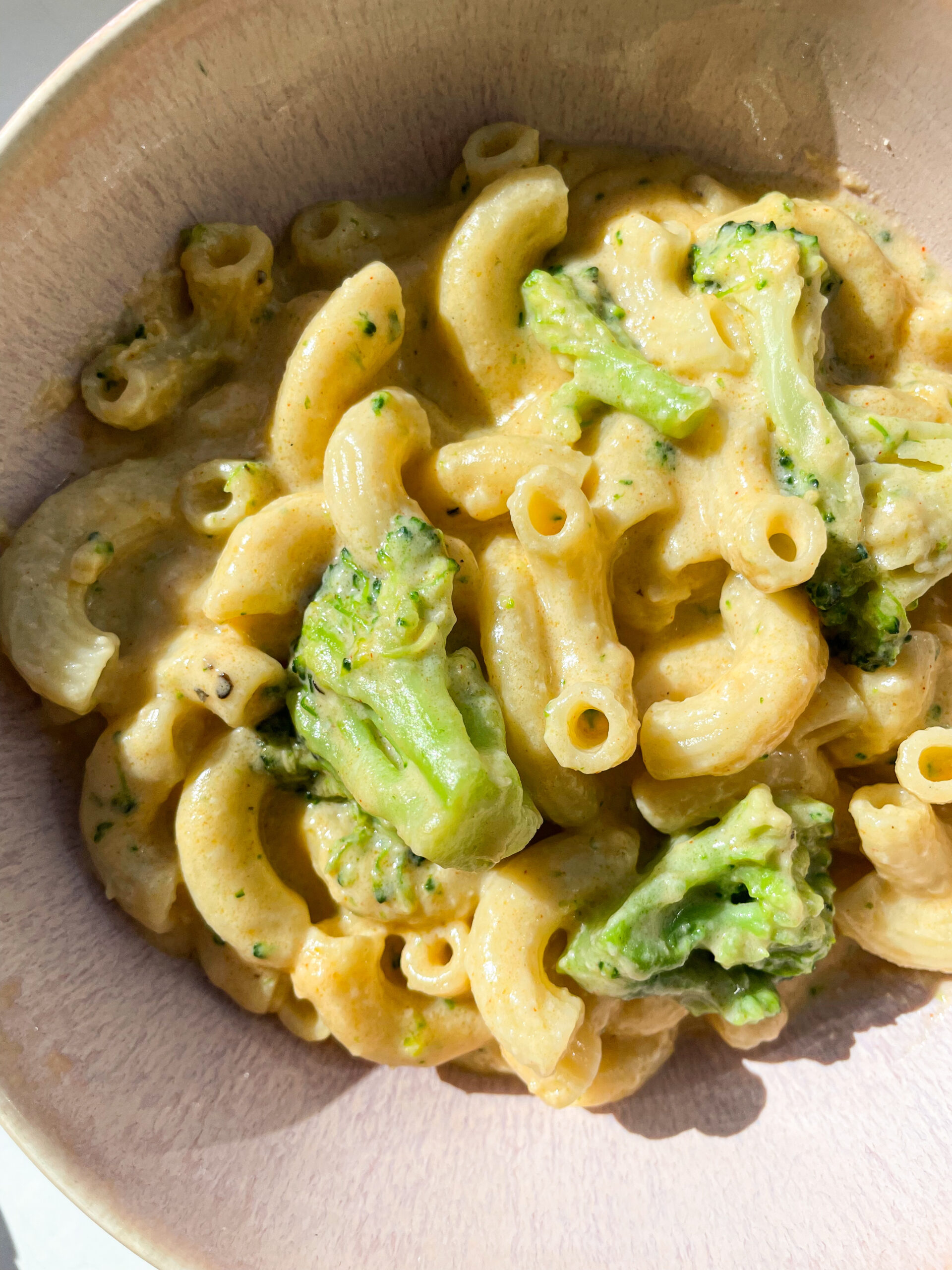
Creating velvety cheese sauce is the most crucial step in making Broccoli Mac and Cheese. Following proper technique ensures smooth, creamy results without graininess or separation. Each step builds toward perfectly coated pasta and broccoli.
Start by melting butter over medium heat in a large saucepan for your Broccoli Mac and Cheese. Use a heavy-bottomed pan that distributes heat evenly. Thin pans create hot spots that can burn the roux.
Creating the Roux
Add flour to melted butter for your Broccoli Mac and Cheese and whisk constantly. The mixture will look dry and crumbly initially. Keep whisking until it forms a smooth paste. Cook for one to two minutes, whisking constantly to prevent burning.
The roux should smell slightly nutty and look bubbly for your Broccoli Mac and Cheese. This brief cooking eliminates raw flour taste. Don’t skip this step or your sauce will taste starchy.
Incorporating Milk
Pour milk into the roux gradually for your Broccoli Mac and Cheese, whisking constantly to prevent lumps. Add about one-third of the milk first, whisking until smooth before adding more. This gradual incorporation creates the smoothest sauce.
Bring the mixture to a gentle simmer for your Broccoli Mac and Cheese while continuing to whisk. The sauce will thicken as it heats. Simmer for two to three minutes until the sauce coats the back of a spoon.
Seasoning the Base
Season the sauce before adding cheese to your Broccoli Mac and Cheese. Add salt, black pepper, garlic powder, and onion powder. These seasonings enhance cheese flavor. Taste and adjust seasoning at this stage.
Don’t oversalt the sauce for your Broccoli Mac and Cheese before adding cheese. Cheese contains salt that concentrates as it melts. Season lightly now, then adjust after cheese melts.
Melting Cheese
Remove the sauce from heat before adding cheese to your Broccoli Mac and Cheese. The residual heat is sufficient for melting without causing separation. Add cheese in three or four additions, stirring until each melts before adding more.
The finished sauce for your Broccoli Mac and Cheese should be smooth, creamy, and coat a spoon thickly. If it seems too thick, thin with reserved pasta water. If too thin, simmer gently to reduce.
Assembly Techniques
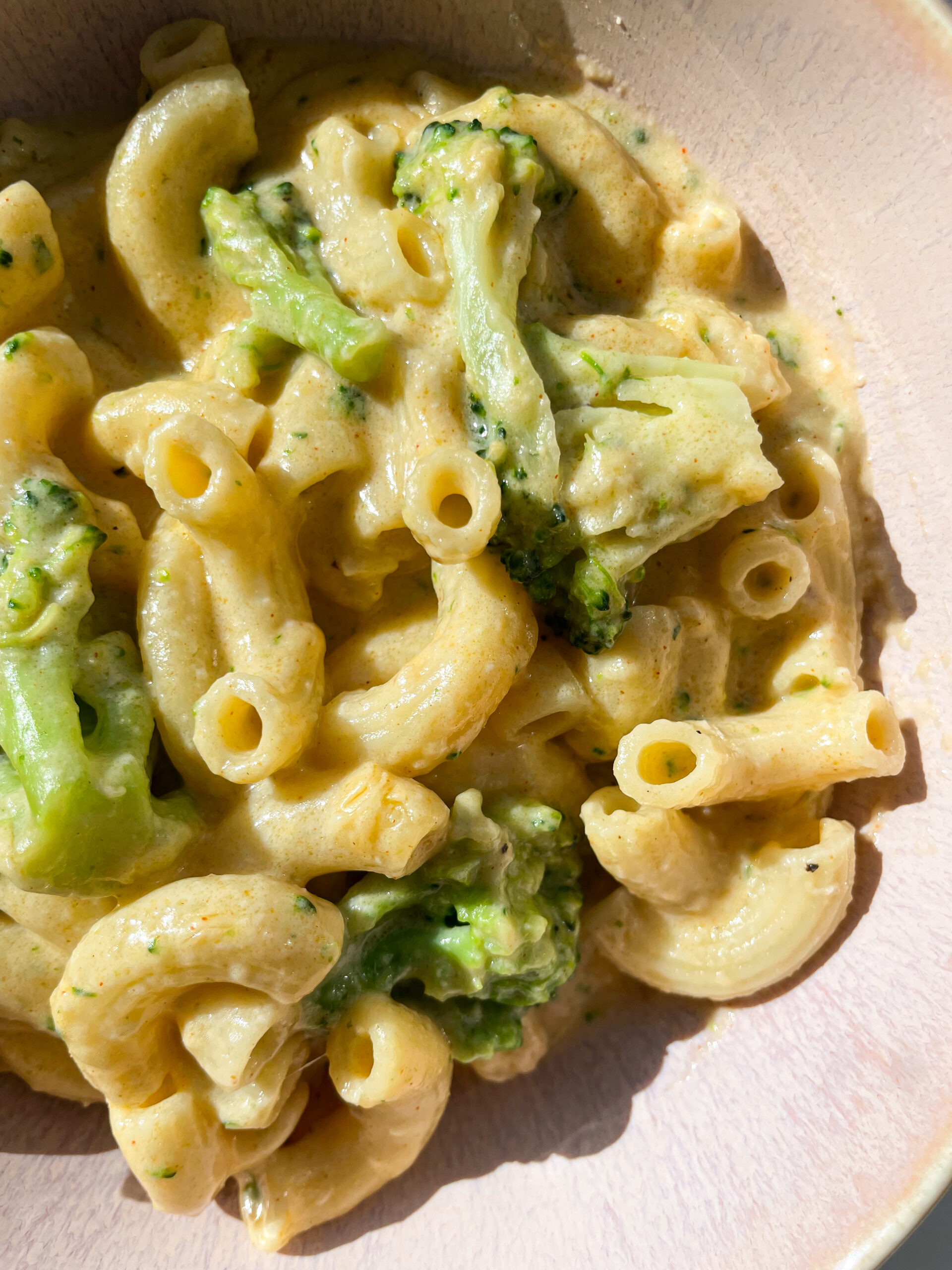
Combining all components properly ensures your Broccoli Mac and Cheese has even distribution of pasta, broccoli, and sauce. The mixing method affects final texture and eating experience. Gentle folding works better than aggressive stirring.
Add drained pasta to the cheese sauce for your Broccoli Mac and Cheese while both are still hot. Hot pasta absorbs sauce better than cool pasta. Use a large bowl or return everything to the pasta pot for easy mixing.
Incorporating Broccoli
Fold cooked broccoli into your Broccoli Mac and Cheese along with the pasta. Gentle folding prevents breaking apart the florets. You want intact pieces distributed throughout rather than mashed broccoli.
Reserve a few broccoli florets to place on top of your Broccoli Mac and Cheese before serving. This visual cue shows what’s in the dish and makes presentation more appealing.
Achieving Proper Consistency
The sauce should coat every piece of pasta and broccoli in your Broccoli Mac and Cheese without pooling in the bottom. If the mixture seems dry, add reserved pasta water one tablespoon at a time until you achieve creamy consistency.
Let your Broccoli Mac and Cheese sit for two to three minutes before serving. This rest allows pasta to finish absorbing sauce and flavors to meld. The dish thickens slightly as it stands.
Baked Version Option
Transform stovetop Broccoli Mac and Cheese into a baked casserole for different texture and presentation. Baking creates a golden, crispy top while keeping the interior creamy. This version works well for entertaining or potlucks.
Transfer your prepared Broccoli Mac and Cheese to a greased baking dish. The mixture should be slightly looser than for stovetop version since baking thickens it. Add extra milk if needed.
Creating Crispy Topping
Make a crunchy topping for baked Broccoli Mac and Cheese by mixing panko breadcrumbs with melted butter. Add grated Parmesan cheese for extra flavor. Sprinkle this mixture evenly over the mac and cheese.
Alternatively, top your Broccoli Mac and Cheese with additional shredded cheese without breadcrumbs. This creates a bubbly, golden cheese crust. Both toppings add textural contrast to the creamy interior.
Baking Instructions
Bake your Broccoli Mac and Cheese at 350°F for twenty to twenty-five minutes until hot throughout and the top is golden brown. If the top browns too quickly, tent with foil. The edges should be bubbling.
Let baked Broccoli Mac and Cheese rest for five minutes before serving. This allows the sauce to set slightly, making serving easier. The dish is very hot straight from the oven.
Customization Ideas
The basic Broccoli Mac and Cheese recipe serves as a versatile foundation for countless variations. Add proteins, experiment with different vegetables, or adjust seasonings to create custom versions that suit your preferences.
Add cooked chicken to your Broccoli Mac and Cheese for a complete meal. Rotisserie chicken works perfectly and saves time. Shred or dice it and fold in with the broccoli.
Protein Additions
Crispy bacon transforms Broccoli Mac and Cheese into an indulgent treat. Cook bacon until crispy, crumble it, and stir into the finished dish. Reserve some for topping. The smoky, salty flavor complements cheese beautifully.
Cooked ham or turkey makes your Broccoli Mac and Cheese heartier. Dice leftover holiday ham or deli turkey and add it to the mixture. This is an excellent way to use leftovers.
Vegetable Variations
Add other vegetables alongside broccoli in your Broccoli Mac and Cheese for more nutrition and variety. Cauliflower florets work particularly well. Peas add pops of sweetness. Cherry tomatoes provide acidity that cuts richness.
Roasted red peppers bring color and subtle sweetness to your Broccoli Mac and Cheese. Dice them and fold in with the broccoli. Sun-dried tomatoes create Mediterranean flair.
Spice It Up
Add hot sauce or red pepper flakes to your Broccoli Mac and Cheese for a spicy kick. Start with a small amount and increase gradually. The heat balances richness and adds excitement.
Cajun or Italian seasoning creates different flavor profiles in your Broccoli Mac and Cheese. Experiment with seasoning blends to discover new favorites.
Storage and Reheating
Proper storage keeps your Broccoli Mac and Cheese delicious for several days. The dish reheats well, making it excellent for meal prep or planned leftovers. Following best practices maintains quality.
Store leftover Broccoli Mac and Cheese in an airtight container refrigerated for up to four days. Let it cool to room temperature before refrigerating. Don’t leave it out longer than two hours for food safety.
Reheating Methods
Reheat Broccoli Mac and Cheese in the microwave for quick individual servings. Add a splash of milk before microwaving to restore creaminess. Heat in thirty-second intervals, stirring between each.
For larger portions, reheat your Broccoli in the oven at 350°F. Add milk and stir before heating. Cover with foil and bake for twenty to twenty-five minutes until hot throughout.
Freezing Considerations
Broccoli Mac and Cheese can be frozen for up to two months, though the texture changes slightly. The sauce may separate and the broccoli softens further. It’s still delicious but not quite as creamy as fresh.
Thaw frozen Broccoli Mac and Cheese in the refrigerator overnight before reheating. Add milk while reheating to restore creamy consistency. Stir well to reincorporate any separated sauce.
Frequently Asked Questions
Can I use frozen broccoli?
Yes, frozen broccoli works in Broccoli Mac and Cheese. Thaw it completely and squeeze out excess moisture before using. Frozen broccoli is already blanched, so just heat it briefly. The texture will be softer than fresh but still good.
What if my sauce is grainy?
Grainy sauce in Broccoli Mac and Cheese usually means the cheese was added to liquid that was too hot or the cheese overheated. Remove from heat before adding cheese and melt it gently with residual heat. Using freshly grated cheese also helps.
Can I make this ahead?
You can prepare Broccoli Mac and Cheese up to two days ahead. Store it refrigerated and reheat before serving. For baked version, assemble completely but don’t bake until ready to serve. Add the topping just before baking.
How do I make it gluten-free?
Make gluten-free Broccoli Mac and Cheese by using gluten-free pasta and replacing flour with cornstarch or gluten-free flour blend. Use about two tablespoons of cornstarch whisked into cold milk before adding to butter.
Why is my sauce too thick?
If your Broccoli Mac and Cheese sauce is too thick, thin it with milk or reserved pasta water. Add liquid one tablespoon at a time while stirring until you reach desired consistency. The sauce thickens as it cools.
Can I use different vegetables?
Absolutely! Cauliflower, peas, spinach, or roasted vegetables all work in place of or alongside broccoli in mac and cheese. Adjust cooking times based on the vegetable. Heartier vegetables like cauliflower need more cooking than tender ones like spinach.
Is this kid-friendly?
Broccoli Mac and Cheese is very kid-friendly. Most children love mac and cheese, and adding broccoli sneaks vegetables into a favorite dish. If your child is skeptical, start with small broccoli pieces or steam it until very soft.
How do I prevent the broccoli from getting mushy?
Prevent mushy broccoli in your mac and cheese by not overcooking it. Steam or blanch for only two to three minutes until crisp-tender. It continues softening when mixed with hot sauce, so slight undercooking is better than overcooking.
Final Thoughts
This Broccoli Mac and Cheese represents the perfect marriage of comfort food and nutrition. The creamy, cheesy sauce coating tender pasta and vibrant broccoli creates a dish that’s both indulgent and wholesome. Every bite delivers satisfaction while providing vitamins and fiber from the vegetables.
The beauty of Broccoli Mac and Cheese lies in its versatility and universal appeal. Kids love it because it’s mac and cheese. Adults appreciate the added vegetables and sophisticated flavor from quality cheeses. The quick preparation makes it practical for busy weeknights while being special enough for casual entertaining.
Don’t settle for plain mac and cheese when you can elevate it with nutritious broccoli. This Broccoli Mac and Cheese proves that healthy additions don’t mean sacrificing flavor or creaminess. The vegetable becomes an integral, delicious part of the dish rather than an afterthought.
Gather your ingredients and discover how delicious comfort food can be with vegetables included. Your family will request this Broccoli Mac and Cheese repeatedly, and you’ll feel good serving a meal that provides both comfort and nutrition. Make this ultimate blend of indulgence and wellness part of your regular dinner rotation today.
Watch the video recipe for more clarity

People also like our PUMPKIN ALFREDO PASTA Recipe
- 250 g macaroni
- Broccoli
- 4 tbsp unsalted butter
- 3 garlic cloves finely chopped
- 4 tbsp flour
- 2 cup milk
- 1 tbsp garlic powder
- 1 tsp onion powder
- Salt and pepper to taste
- 1 cup mozzarella cheese
- 1 cup cheddar cheese
Begin by bringing a generously salted pot of water to a rolling boil. Add the pasta and follow the instructions on the package for cooking time. Before draining, remember to save at least 1/2 cup of the pasta cooking water.
A few minutes before your pasta is ready, add your broccoli florets to the boiling water. This way, the pasta and broccoli will finish cooking simultaneously.
Heat 4 tablespoons of butter in a pan over medium heat, then stir in 3 cloves of minced garlic.
Once the garlic becomes fragrant, add 4 tablespoons of flour and mix until well combined.
Allow it to cook for a few minutes, then slowly pour in 2 cups of milk while whisking continuously to prevent lumps.
Let the mixture thicken, then season it with salt, pepper, onion and garlic powder.
Stir in 1 cup of cheddar cheese and 1 cup of mozzarella. Mix until the cheese is fully melted.
Add your cooked pasta and broccoli, along with a splash of pasta water. Mix until a creamy sauce forms. You can adjust the consistency by adding more pasta water to your liking.
For an extra cheesy twist, mix in 1/4 cup of mozzarella. Now, savor the deliciousness! Enjoy!
If you've given this recipe a try and it won you over, please share your thoughts by leaving
a rating and comment below! If you have any questions about this recipe, don't hesitate to ask – I'm here to
help and will respond promptly.