The Ultimate Comfort Food: Baked Mac and Cheese
Few dishes evoke the same warmth and nostalgia as baked mac and cheese. This creamy, indulgent recipe transforms simple ingredients into a golden, bubbling masterpiece that brings comfort to any table. Whether you’re cooking for a family dinner, hosting friends, or simply craving something deeply satisfying, this baked mac and cheese delivers every single time.
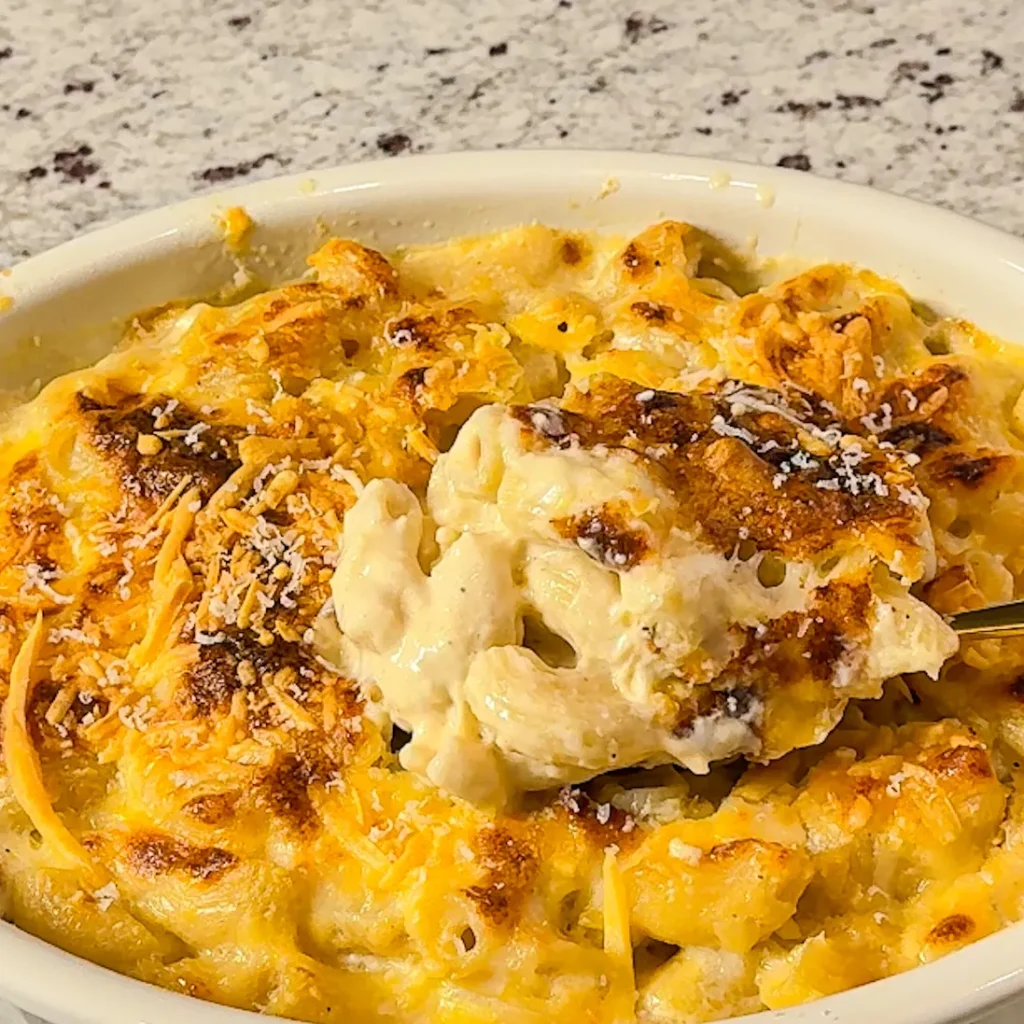
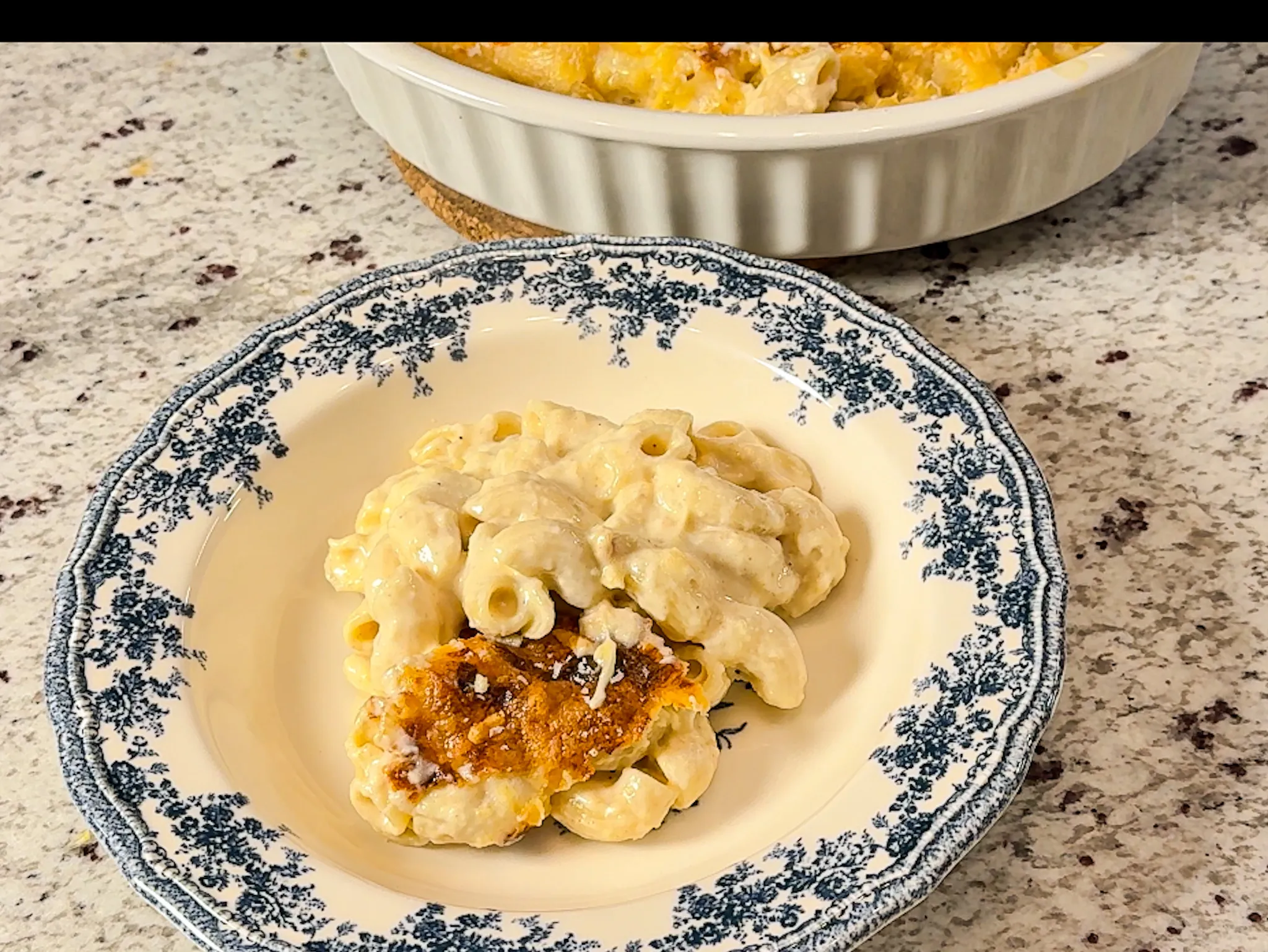
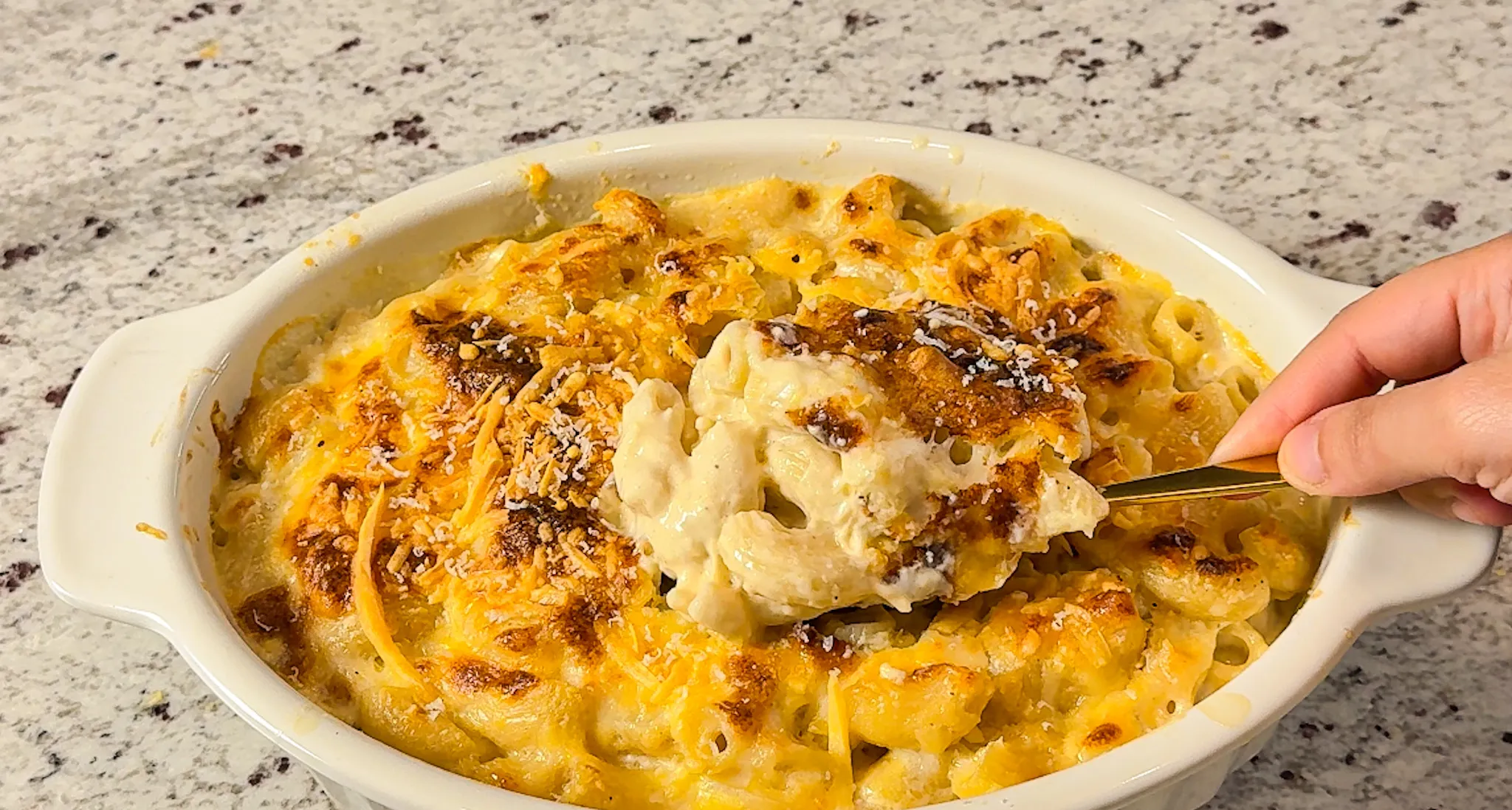
What makes this baked mac and cheese truly special is the perfect balance of textures and flavors. You get a velvety smooth cheese sauce that coats every piece of pasta, multiple cheese varieties that create incredible depth, and a golden-brown top that adds just the right amount of crunch. This isn’t the boxed version from your childhood. This is baked mac and cheese elevated to its finest form.
The secret to outstanding baked mac and cheese lies in the details: slightly undercooking the pasta, creating a properly seasoned sauce, using quality cheeses, and finishing everything in the oven until it reaches bubbly perfection. Follow these steps, and you’ll create a dish that becomes a family favorite for generations.
This recipe yields six to eight generous servings and takes approximately forty-five minutes from start to finish. At around two dollars per serving, this baked mac and cheese offers incredible value while delivering restaurant-quality results.
Why This Recipe is Special
This baked mac and cheese stands apart because it addresses every common problem that plagues lesser versions. No dry patches. No grainy sauce. No bland flavor. No mushy pasta. Instead, you get creamy perfection in every bite.
The cheese sauce stays smooth and luscious throughout baking because we use the right ratio of dairy to cheese and add the cheese at the proper temperature. The pasta maintains its texture because we cook it just shy of al dente before baking. The top becomes beautifully golden because we broil it at the end rather than baking at high heat the entire time.
Key Ingredients Overview
The foundation of exceptional baked mac and cheese starts with quality ingredients. You’ll need elbow macaroni or cavatappi pasta, unsalted butter, fresh garlic, whole milk, heavy cream, and three types of cheese: mozzarella for stretch, sharp cheddar for classic flavor, and gouda for richness.
Simple seasonings including garlic powder, onion powder, smoked paprika, salt, and black pepper transform the sauce from ordinary to extraordinary. Fresh Parmesan for finishing adds a final layer of complexity.
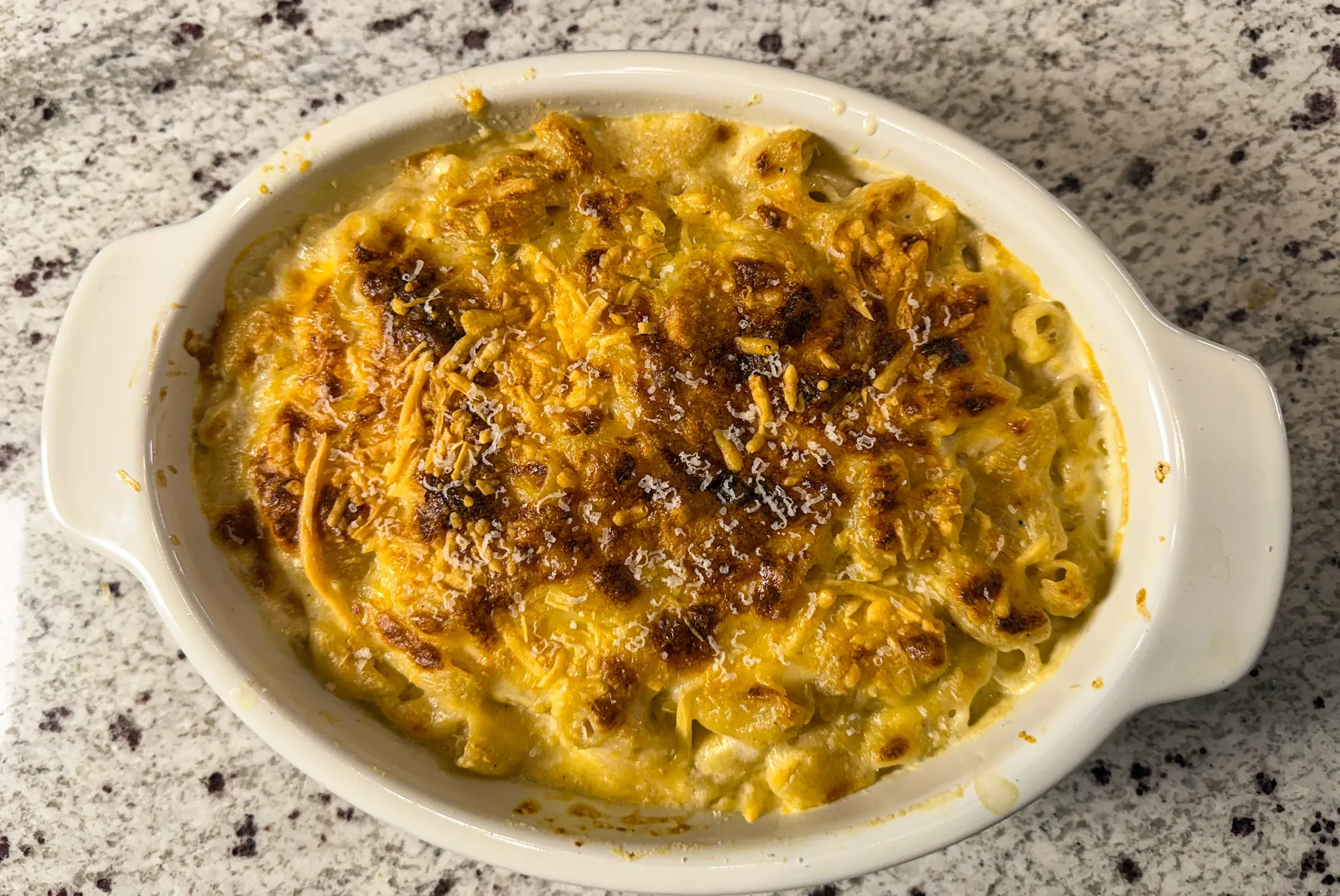
Understanding Perfect Baked Mac and Cheese
Great baked mac and cheese requires understanding how pasta, dairy, and cheese interact during cooking and baking. When you grasp these fundamentals, you can troubleshoot issues and make adjustments that suit your preferences.
The Science Behind Creamy Sauce
Cheese contains proteins that can become grainy if heated too quickly or at too high a temperature. By creating a warm milk base and adding shredded cheese gradually over low heat, those proteins melt smoothly into the liquid rather than clumping together.
Heavy cream adds fat content that makes the sauce feel luxurious on your tongue. The combination of milk and cream provides the ideal consistency for baked mac and cheese that won’t dry out in the oven.
Why Pasta Choice Matters
Curved, tubular pasta shapes like elbow macaroni or cavatappi work best for baked mac and cheese because they trap sauce inside their curves and ridges. Every bite delivers maximum creaminess rather than leaving pools of sauce on the plate.
Cooking pasta to just before al dente ensures it won’t become mushy during baking. The pasta continues cooking in the oven while absorbing some of the cheese sauce, resulting in perfectly tender noodles.
Choosing the Right Ingredients
Every component of this baked mac and cheese contributes to the final result. Selecting quality ingredients makes a noticeable difference in taste and texture.
Pasta Selection and Preparation
Elbow macaroni remains the classic choice for baked mac and cheese, but cavatappi, shells, or cellentani also work beautifully. Look for pasta made from durum wheat semolina for the best texture and flavor.
Cook the pasta in heavily salted water until it’s just shy of al dente. This typically means reducing the package cooking time by one to two minutes. Drain thoroughly and toss with a small amount of olive oil to prevent sticking while you prepare the sauce.
Building the Cheese Blend
The three-cheese combination in this baked mac and cheese creates complexity that single-cheese versions can’t match. Mozzarella provides that desirable cheese pull and mild creaminess. Sharp cheddar delivers the tangy, robust flavor most people associate with great mac and cheese. Gouda adds nutty richness and helps the sauce achieve the perfect consistency.
Always shred cheese from blocks rather than buying pre-shredded varieties. Pre-shredded cheese contains anti-caking agents that prevent smooth melting and can make your baked mac and cheese grainy.
Dairy Components Explained
Whole milk provides the liquid base for the sauce without making it too heavy. Heavy cream adds richness and helps the sauce coat the pasta thoroughly. Together, they create the ideal balance for baked mac and cheese that stays creamy rather than breaking or drying out.
Some recipes use all milk or all cream, but the combination offers better results. All milk can taste thin, while all cream becomes overwhelmingly rich.
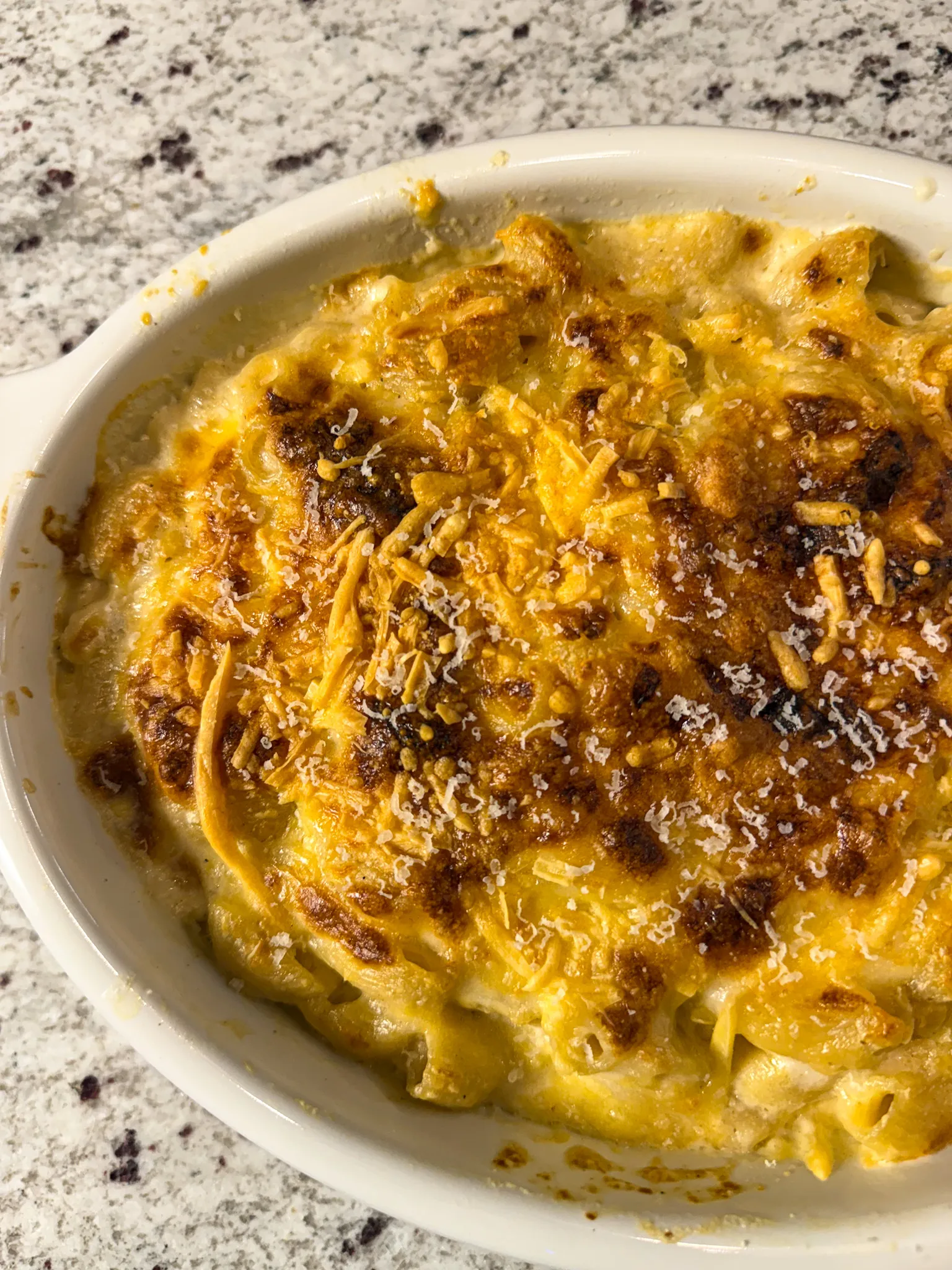
Step-by-Step Instructions
Follow these detailed steps to create perfect baked mac and cheese every time. Taking your time with each stage ensures the best possible results.
Preparation Steps
Begin by preheating your oven to 180°C (350°F). Prepare a large baking dish by lightly greasing it with butter or cooking spray. This prevents the baked mac and cheese from sticking and makes serving easier.
Bring a large pot of salted water to a rolling boil. Add your pasta and cook for one to two minutes less than the package directions indicate. You want the pasta barely tender with a slight firmness in the center.
While the pasta cooks, shred all three cheeses and keep them separate. Measure out your milk and cream. Mince the garlic finely. Having everything ready streamlines the cooking process.
Creating the Cheese Sauce
Drain the cooked pasta thoroughly and toss it with a teaspoon of olive oil. Set it aside while you make the sauce for your baked mac and cheese.
In the same large pot over medium heat, melt four tablespoons of butter. Add the minced garlic and sauté for about one minute until fragrant but not browned. Burnt garlic tastes bitter and will ruin your baked mac and cheese.
Pour in three cups of whole milk and one cup of heavy cream. Add one teaspoon each of garlic powder and onion powder, half a teaspoon of smoked paprika, one teaspoon of salt, and half a teaspoon of black pepper. Stir everything together and let the mixture heat until it just begins to simmer around the edges.
Reduce the heat to low. This is crucial for smooth baked mac and cheese. Add the shredded mozzarella first, stirring constantly until it melts completely. Then add the cheddar, continuing to stir. Finally, add the gouda and stir until you have a completely smooth, creamy sauce.
Taste the sauce and adjust the seasonings if needed. The sauce should taste well-seasoned because the pasta will dilute the flavor slightly.
Assembling the Baked Mac and Cheese
Add the cooked pasta to the cheese sauce and stir gently until every piece is thoroughly coated. The mixture should look incredibly creamy at this stage.
Transfer half of the pasta mixture to your prepared baking dish and spread it evenly. Sprinkle a generous handful of extra shredded cheese over this layer. This creates pockets of melted cheese throughout your baked mac and cheese.
Add the remaining pasta mixture on top and spread it to the edges. Top with another generous layer of shredded cheese, making sure to cover the entire surface. This creates the golden, crispy top that makes baked mac and cheese so irresistible.
Baking to Golden Perfection
Place the assembled baked mac and cheese in your preheated oven. Bake for twenty-five to thirty minutes until the sauce is bubbling around the edges and the top cheese has melted.
Switch your oven to broil mode and move the dish to the upper rack. Broil for two to three minutes, watching carefully, until the top turns golden brown with crispy edges. Don’t walk away during broiling because the cheese can go from perfect to burnt very quickly.
Remove the baked mac and cheese from the oven and let it rest for five minutes before serving. This brief rest allows the sauce to thicken slightly and makes serving much easier.
Professional Tips for Success
These expert techniques will help you achieve restaurant-quality baked mac and cheese at home every single time.
Temperature Control Tips
Never add cheese to boiling liquid. The high heat causes the proteins to seize and become grainy. Always reduce heat to low before adding any cheese to your baked mac and cheese sauce.
If your sauce seems too thick after adding the cheese, stir in a splash of milk. If it seems too thin, remember that it will thicken during baking.
Cheese Selection Strategies
For the best baked mac and cheese, choose aged cheddar with strong flavor. Mild cheddar won’t provide enough taste to stand up to the other ingredients.
Consider adding a small amount of cream cheese to the sauce for extra creaminess. About four ounces of cream cheese, added with the other cheeses, makes the sauce even more luxurious.
Pasta Cooking Precision
Set a timer when cooking pasta for baked mac and cheese. Even one extra minute can result in pasta that becomes mushy during baking.
Rinse pasta only if you’ve accidentally overcooked it. Otherwise, the starch on the surface helps the sauce cling better.
Achieving the Perfect Top
For an extra-crispy top on your baked mac and cheese, sprinkle panko breadcrumbs mixed with melted butter over the final cheese layer before baking. This creates incredible texture contrast.
Freshly grated Parmesan sprinkled over the top during the last few minutes of broiling adds nutty, salty flavor that elevates the entire dish.
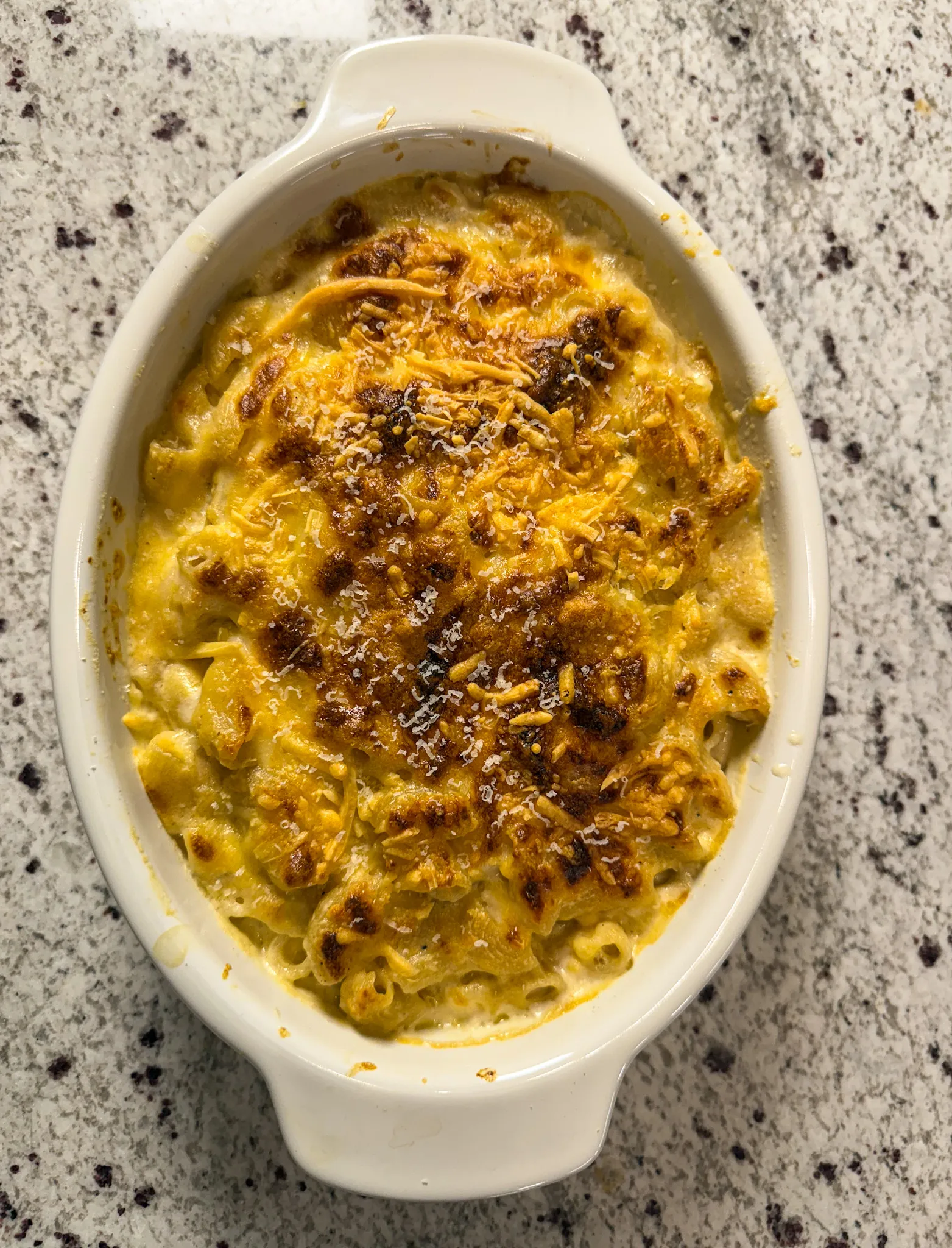
Common Mistakes to Avoid
Understanding these pitfalls helps you create flawless baked mac and cheese every time.
Overcooking the Pasta
Cooking pasta to full tenderness before baking is the most common mistake with baked mac and cheese. The pasta continues cooking in the oven, so starting with undercooked pasta ensures perfect texture in the final dish.
If you accidentally overcook the pasta, reduce the baking time by five to ten minutes to prevent mushiness.
Using Pre-Shredded Cheese
Pre-shredded cheese contains cellulose or potato starch to prevent clumping in the bag. These additives prevent smooth melting and can make your baked mac and cheese grainy or separated.
Always shred cheese from blocks for the creamiest results. It takes an extra five minutes but makes a huge difference.
Adding Cheese at Too High Heat
Adding cheese to very hot liquid causes the proteins to seize. This results in stringy, grainy, or separated sauce that no amount of stirring will fix.
Always reduce heat to low before adding cheese. Patience creates smooth, creamy baked mac and cheese.
Skipping the Resting Time
Serving baked mac and cheese immediately after removing it from the oven results in a runny, difficult-to-serve dish. The five-minute rest allows the sauce to set slightly while remaining creamy.
Cover the dish loosely with foil during resting to keep it hot.
Variations to Try
Once you’ve mastered basic baked mac and cheese, these variations add exciting new dimensions.
Protein Additions
Transform your baked mac and cheese into a complete meal by adding cooked bacon, diced ham, shredded rotisserie chicken, or cooked ground beef. Mix proteins into the pasta before baking or layer them between the two pasta layers.
Lobster mac and cheese represents the ultimate indulgence. Fold chunks of cooked lobster meat into the pasta mixture for an elegant version perfect for special occasions.
Vegetable Variations
Roasted broccoli, sautéed mushrooms, caramelized onions, or roasted red peppers complement baked mac and cheese beautifully. These additions add nutrition, color, and flavor complexity.
Fold vegetables into the pasta mixture or layer them like the extra cheese for pockets of veggie goodness throughout.
Spicy Versions
For spicy baked mac and cheese, add diced jalapeños, a teaspoon of cayenne pepper, or a few dashes of hot sauce to the cheese sauce. Buffalo chicken mac and cheese combines shredded chicken tossed in buffalo sauce with the standard recipe for incredible flavor.
Top spicy versions with sliced green onions and a drizzle of ranch dressing for cooling contrast.
Gourmet Cheese Combinations
Experiment with different cheese combinations in your baked mac and cheese. Try gruyere and fontina for sophisticated flavor, or add blue cheese for sharp, tangy notes. Pepper jack creates spicy, creamy results.
Mix and match cheeses while maintaining the same total quantity for consistent results.
Storage and Reheating
Proper storage ensures your baked mac and cheese stays delicious for days after making it.
Storing Instructions
Allow leftover baked mac and cheese to cool completely before storing. Transfer it to an airtight container and refrigerate for up to four days.
For longer storage, portion baked mac and cheese into freezer-safe containers and freeze for up to three months. Label containers with the date so you can track freshness.
Reheating Methods
Reheat refrigerated baked mac and cheese in the oven at 175°C (350°F) for fifteen to twenty minutes. Add a splash of milk before reheating to restore creaminess.
For quick reheating, microwave individual portions for one to two minutes, stirring halfway through. Add a teaspoon of milk if the pasta seems dry.
Reheat frozen baked mac and cheese by thawing overnight in the refrigerator, then following the oven reheating method. Alternatively, bake from frozen at 175°C for forty-five to fifty minutes, covered with foil for the first thirty minutes.
Frequently Asked Questions
These common questions help you troubleshoot and perfect your baked mac and cheese.
Can I make baked mac and cheese ahead of time?
Yes. Assemble the dish completely, cover tightly with foil, and refrigerate for up to twenty-four hours before baking. Add five to ten minutes to the baking time since you’re starting with a cold dish.
For best results, bring the assembled baked mac and cheese to room temperature for thirty minutes before baking.
Why did my sauce become grainy?
Grainy sauce typically results from adding cheese to liquid that’s too hot or using pre-shredded cheese with anti-caking agents. Always reduce heat to low before adding cheese and shred from blocks.
If your sauce becomes grainy, blend it with an immersion blender to smooth it out before adding the pasta.
Can I use different pasta shapes?
Absolutely. While elbow macaroni is traditional for baked mac and cheese, shells, cavatappi, penne, rigatoni, or any short pasta with curves or ridges works well. Avoid long pasta like spaghetti or fettuccine.
Different shapes may require slight adjustments to cooking time. Follow package directions and cook to just before al dente.
How do I prevent the top from burning?
Burning happens when the oven temperature is too high or the dish sits too close to the heating element. Bake at 180°C and only broil for two to three minutes at the end.
Watch carefully during broiling and remove the baked mac and cheese as soon as the top turns golden brown.
Can I make this dairy-free?
You can substitute dairy-free milk, butter, and cheese alternatives to create dairy-free baked mac and cheese. Results will differ in taste and texture, but many dairy-free versions turn out quite good.
Look for dairy-free cheeses specifically designed for melting rather than slicing varieties.
Why is my baked mac and cheese dry?
Dry baked mac and cheese usually results from overcooking the pasta initially, baking too long, or not using enough sauce. Make sure your pasta is very al dente before baking and ensure it’s thoroughly coated in sauce.
Add an extra half cup of milk to the sauce if your mixture seems thick before baking.
Final Thoughts
Creating exceptional baked mac and cheese requires attention to detail, quality ingredients, and proper technique. By following this comprehensive guide, you’ll produce a dish with creamy, flavorful sauce, perfectly cooked pasta, and a gorgeous golden top that makes everyone reach for seconds.
This baked mac and cheese works beautifully as a comforting main dish or an indulgent side for roasted meats and vegetables. It’s equally at home at casual family dinners and holiday celebrations. The recipe scales easily if you need to feed a crowd, and it reheats beautifully for easy meal planning.
Don’t be afraid to make this recipe your own. Once you’ve mastered the basic technique, experiment with different cheese combinations, add your favorite proteins or vegetables, or adjust the seasonings to suit your taste. The beauty of baked mac and cheese lies in its versatility and ability to adapt to your preferences.
Gather your ingredients, preheat your oven, and prepare to create the most delicious baked mac and cheese you’ve ever tasted. Your family and friends will be asking for this recipe again and again. There’s something magical about pulling a bubbling, golden dish from the oven and watching everyone’s eyes light up with anticipation.
This is comfort food at its absolute finest. This is baked mac and cheese done right.
Watch our full recipe video on youtube.

People also like our these recipes:
- Curved pasta elbow or similar
- Olive oil for tossing pasta
- Butter
- Minced garlic
- Milk
- Heavy cream
- Salt & black pepper
- Garlic powder
- Onion powder
- Paprika
- Mozzarella cheese shredded
- Cheddar cheese shredded
- Gouda cheese shredded
- Parmesan cheese grated (for topping)
Boil the pasta until just before al dente. Drain, toss with a little olive oil, and set aside.
In a pan, melt butter and sauté minced garlic until fragrant.
Add milk and heavy cream, then season with salt, pepper, garlic powder, onion powder, and paprika.
Let the sauce simmer until slightly thickened.
Add mozzarella, cheddar, and gouda. Stir until fully melted and smooth.
Add the cooked pasta to the sauce and mix until well coated.
Transfer half the pasta to a baking dish, sprinkle with extra cheese, then add the remaining pasta.
Top generously with more cheese.
Broil at *180°C* until golden and bubbly.
Finish with grated Parmesan and serve warm.
If you've given this recipe a try and it won you over, please share your thoughts by leaving
a rating and comment below! If you have any questions about this recipe, don't hesitate to ask – I'm here to
help and will respond promptly.