call

CALL US 5555-00-444

April 22, 2024

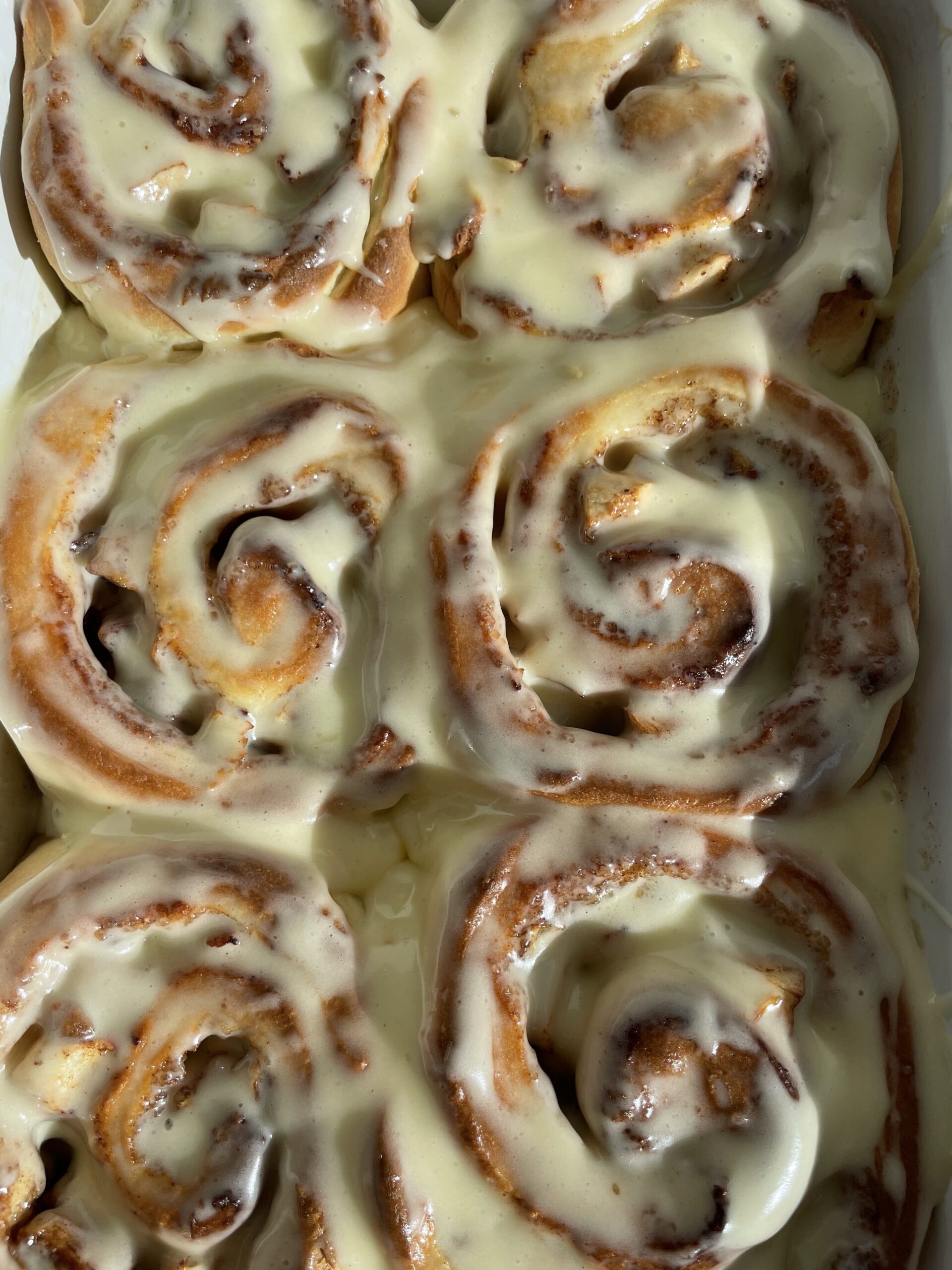
APPLE CINNAMON ROLLS

by Bakeanna
Print Recipe Jump to Recipe

Discover the Perfect Apple Cinnamon Rolls for Your Kitchen

Apple Cinnamon Rolls represent the ultimate comfort food that combines the warmth of freshly baked pastry with the sweet aroma of fall spices. These delightful rolls feature soft, fluffy dough wrapped around tender apple slices and aromatic cinnamon sugar, creating a breakfast treat that will transform your morning routine. Whether you’re hosting a weekend brunch or simply craving something special, Apple Cinnamon Rolls deliver an irresistible combination of flavors and textures that satisfy every time.

The beauty of Apple Cinnamon Rolls lies in their versatility and crowd-pleasing appeal. Unlike traditional cinnamon rolls, these incorporate fresh fruit that adds natural sweetness and moisture to every bite. The caramelized apples create pockets of jammy goodness throughout the spiral, while the cinnamon sugar filling provides that classic warmth we all crave. When you pull apart a warm roll, the layers reveal themselves in beautiful swirls of dough, apple, and spice.

Making Apple Cinnamon Rolls at home might seem intimidating, but with the right technique and patience, anyone can master this recipe. The process involves creating a tender enriched dough, preparing a flavorful apple filling, and assembling everything into perfect spirals. The reward for your effort is a batch of bakery-quality rolls that fill your home with an intoxicating aroma and provide a memorable eating experience for family and friends.

Why This Recipe Stands Out

This particular approach to Apple Cinnamon Rolls emphasizes technique and ingredient quality to achieve professional results. The dough recipe creates rolls that stay soft for days, thanks to the proper ratio of butter, milk, and eggs. The apple preparation method ensures the fruit doesn’t release excess moisture during baking, which could make the rolls soggy. Every element has been carefully considered to give you the best possible outcome.

The cream cheese glaze that tops these rolls adds a tangy sweetness that balances the rich dough and spiced apples perfectly. This isn’t just a simple sugar glaze, but a luxurious frosting that melts into the warm rolls and creates an indulgent finish. The combination of cream cheese, powdered sugar, and butter creates a velvety topping that elevates these rolls from good to extraordinary.

What Makes These Rolls Special

Apple Cinnamon Rolls offer a seasonal twist on a beloved classic that works year-round. During fall, when apples are at their peak, these rolls celebrate the harvest with fresh, crisp fruit. In winter, they provide cozy comfort on cold mornings. The recipe adapts beautifully to different apple varieties, allowing you to customize the flavor profile based on what’s available and your personal preferences.

The texture of properly made Apple Cinnamon Rolls should be impossibly soft and tender, with a slight chew from the developed gluten. The layers should pull apart easily, revealing the spiral pattern inside. Each bite should deliver balanced flavors where no single element overpowers the others. The apples should be tender but not mushy, the cinnamon present but not overwhelming, and the dough rich yet light.

Apple Cinnamon Rolls

Understanding the Science Behind Perfect Rolls

Creating exceptional Apple Cinnamon Rolls requires understanding how ingredients interact during mixing, rising, and baking. The yeast fermentation process develops flavor and creates the airy texture we associate with quality rolls. When yeast feeds on sugars in the dough, it produces carbon dioxide gas that gets trapped in the gluten network, causing the dough to rise and creating those characteristic soft layers.

The fat content in the dough, from butter and eggs, serves multiple purposes in Apple Cinnamon Rolls. Butter adds richness and flavor while also tenderizing the crumb by coating flour proteins and limiting gluten development. This creates a softer, more delicate texture than lean bread dough. The eggs contribute structure, moisture, and additional fat, while also enriching the flavor and giving the baked rolls a beautiful golden color.

The Role of Gluten Development

Proper kneading develops the gluten structure that gives Apple Cinnamon Rolls their characteristic texture. When flour meets liquid and gets agitated through kneading, proteins glutenin and gliadin link together to form gluten strands. These strands create an elastic network that traps gas bubbles during fermentation, allowing the dough to rise and maintain structure during baking.

However, too much gluten development can make Apple Cinnamon Rolls tough and chewy rather than soft and tender. The balance comes from kneading just enough to create structure, while the enriching ingredients like butter and eggs prevent excessive gluten formation. This is why the dough should feel smooth and elastic but not overly resistant when properly kneaded.

Yeast Activation and Fermentation

The yeast used in Apple Cinnamon Rolls must be properly activated to ensure good rise and flavor development. When you dissolve yeast in warm liquid around 110 degrees Fahrenheit, it becomes active and begins feeding on available sugars. If the liquid is too hot, it will kill the yeast. If too cold, the yeast remains dormant and won’t leaven the dough effectively.

The rising periods in this recipe serve different purposes for your Apple Cinnamon Rolls. The first rise allows the yeast to multiply and develop flavor while relaxing the gluten. After shaping, the second rise gives the rolls their final volume and ensures a light, airy texture when baked. Rushing these steps produces dense, less flavorful results.

Selecting the Right Ingredients

The quality of ingredients directly impacts the final result of your Apple Cinnamon Rolls. Using fresh, high-quality components ensures the best flavor, texture, and appearance. While substitutions are possible, understanding what each ingredient contributes helps you make informed choices that maintain the integrity of the recipe.

Choosing the Best Apples

The apple variety you select significantly affects the taste and texture of your Apple Cinnamon Rolls. Firmer apples that hold their shape during baking work best, as they won’t turn to mush or release excessive moisture. Granny Smith apples provide tartness that balances the sweet dough and cinnamon sugar beautifully. Their firm texture remains intact even after baking, creating pleasant apple pieces throughout the rolls.

Honeycrisp apples offer a sweeter option with excellent texture retention for Apple Cinnamon Rolls. They provide natural sweetness that reduces the need for additional sugar in the filling. Braeburn apples deliver a balance between tart and sweet with a firm flesh that bakes well. Avoid overly soft varieties like Red Delicious or McIntosh, as they become mushy and can make your rolls soggy.

Flour Selection Matters

All-purpose flour provides the ideal protein content for Apple Cinnamon Rolls, creating enough structure without making the dough too tough. The protein percentage in all-purpose flour typically ranges from 10 to 12 percent, which develops sufficient gluten for good structure while allowing the enriching ingredients to keep the crumb tender.

Bread flour contains higher protein and creates more gluten development, which can make Apple Cinnamon Rolls slightly chewier. While this works for some bakers, most prefer the softer texture that all-purpose flour provides. Cake flour has too little protein and won’t provide adequate structure, resulting in rolls that lack proper texture and may collapse.

Butter and Dairy Components

Real butter is essential for authentic-tasting Apple Cinnamon Rolls. The flavor complexity of butter cannot be replicated by margarine or shortening. Use unsalted butter so you can control the salt level in the recipe. The butter should be softened but not melted for incorporating into the dough, as this creates the proper texture.

Whole milk provides the best results in Apple Cinnamon Rolls due to its fat content, which contributes to tenderness and richness. Lower-fat milk works but produces slightly less tender results. The milk should be warmed to the correct temperature for yeast activation, typically around 110 degrees Fahrenheit when combining with yeast.

Fresh Eggs and Yeast

Eggs should be at room temperature when making Apple Cinnamon Rolls, as they incorporate more easily into the dough and don’t cool down the other ingredients. The eggs add structure, richness, and help create the tender crumb characteristic of quality rolls. Large eggs are standard in most baking recipes and work perfectly here.

Active dry yeast or instant yeast both work well for Apple Cinnamon Rolls. Active dry yeast requires dissolving in warm liquid before use, while instant yeast can be mixed directly with flour. Always check the expiration date on your yeast, as old yeast loses potency and won’t provide adequate rise. If unsure about yeast freshness, proof it in warm water with a pinch of sugar to verify it bubbles and foams.

Apple Cinnamon Rolls

Preparing Your Apple Filling

The apple filling distinguishes these rolls from standard cinnamon rolls and requires proper preparation. Raw apples release moisture during baking, which can make Apple Cinnamon Rolls soggy if not handled correctly. Pre-cooking the apples removes excess moisture and concentrates their flavor, while also softening them slightly so they integrate better into the finished rolls.

Start by peeling and dicing your chosen apples into small, uniform pieces. The size matters for Apple Cinnamon Rolls because large chunks create uneven filling distribution and can cause the rolls to fall apart. Aim for pieces about one-quarter inch in size, which provide apple flavor in every bite without overwhelming the dough.

Cooking and Seasoning the Apples

Melt butter in a skillet over medium heat and add your diced apples for the Apple Cinnamon Rolls filling. Sprinkle with brown sugar and cinnamon, stirring to coat evenly. Cook the mixture for about five to seven minutes, stirring occasionally, until the apples soften slightly and the sugar creates a light syrup. The apples should remain somewhat firm, not completely soft.

Adding a pinch of nutmeg or allspice to your apple filling can enhance the warm spice profile of Apple Cinnamon Rolls. Some bakers include a small amount of lemon juice, which brightens the apple flavor and prevents browning. A tiny pinch of salt intensifies all the flavors and balances the sweetness perfectly.

Cooling the Filling Properly

Allow your prepared apple filling to cool completely before assembling Apple Cinnamon Rolls. Spreading warm filling on dough can melt the butter you’ll brush on the surface and create a soggy mess. It can also kill the yeast if the filling is too hot, preventing proper rising during the second proofing period.

Transfer the cooked apples to a plate or shallow dish to cool them quickly for your Apple Cinnamon Rolls. Spreading them in a thin layer allows heat to dissipate faster than leaving them piled in a bowl. While the filling cools, you can prepare your dough or complete other recipe steps, making efficient use of your time.

Apple Cinnamon Rolls

Step-by-Step Dough Preparation

Creating the perfect dough forms the foundation of exceptional Apple Cinnamon Rolls. This process requires attention to detail but isn’t difficult when you follow the steps carefully. The dough should feel soft and slightly tacky but not sticky, with a smooth, elastic quality after proper kneading.

Mixing the Dough

Begin making your Apple Cinnamon Rolls dough by warming the milk to approximately 110 degrees Fahrenheit. Pour the warm milk into a large mixing bowl and sprinkle the yeast over the surface. Add a teaspoon of sugar from the recipe total and let the mixture sit for about five minutes until it becomes foamy. This proves the yeast is active and ready to leaven your dough.

Add the remaining sugar, melted butter, eggs, and salt to the yeast mixture for your Apple Cinnamon Rolls. Whisk these ingredients together until well combined. Begin adding flour one cup at a time, stirring after each addition. The dough will transition from a thick batter to a shaggy mass that pulls away from the bowl sides.

Kneading Technique

Turn your Apple Cinnamon Rolls dough onto a lightly floured surface when it becomes too stiff to stir. Knead by pushing the dough away from you with the heels of your hands, then folding it back over itself and rotating a quarter turn. Repeat this process for eight to ten minutes until the dough becomes smooth and elastic.

You’ll know your Apple Cinnamon Rolls dough is properly kneaded when it springs back slowly after being poked and feels satiny rather than rough. The dough should no longer stick to your hands or the work surface, though it may still feel slightly tacky. If it’s too sticky, add small amounts of flour, but avoid adding too much as this makes the rolls dense.

First Rise Period

Place your kneaded dough for Apple Cinnamon Rolls in a greased bowl, turning it to coat all sides with oil. Cover the bowl with plastic wrap or a clean kitchen towel and place it in a warm, draft-free location. The ideal rising temperature is between 75 and 85 degrees Fahrenheit, which allows steady fermentation without overheating.

Let the dough rise until it doubles in size for your Apple Cinnamon Rolls, which typically takes 60 to 90 minutes depending on room temperature. You can test if the dough has risen enough by gently pressing two fingers into it. If the indentations remain rather than springing back, the dough is ready for the next step.

Assembling Your Rolls

The assembly process determines the final appearance and texture of your Apple Cinnamon Rolls. Careful rolling and cutting create uniform spirals that bake evenly. Taking time during this step ensures professional-looking results that impress anyone who sees them.

Rolling Out the Dough

Punch down your risen dough to release excess gas, then turn it onto a lightly floured surface. Roll the dough into a large rectangle measuring approximately 16 by 12 inches for Apple Cinnamon Rolls. The dough should be about one-quarter inch thick throughout, which creates the right number of layers when rolled.

Even thickness across the entire rectangle ensures uniform Apple Cinnamon Rolls that bake at the same rate. Use a rolling pin and apply steady, even pressure as you roll from the center outward. If the dough resists and springs back, let it rest for five minutes to relax the gluten, then continue rolling.

Applying Butter and Filling

Brush the entire surface of your rolled dough with melted butter for Apple Cinnamon Rolls, leaving a one-inch border along one long edge. This butter layer adds richness and helps the cinnamon sugar mixture adhere to the dough. It also creates steam during baking that contributes to the soft, layered texture.

Mix granulated sugar with ground cinnamon and sprinkle this mixture evenly over the buttered dough for your Apple Cinnamon Rolls. Distribute your cooled apple filling across the surface, pressing it gently into the cinnamon sugar. Even distribution ensures every slice contains apples and prevents some rolls from being overstuffed while others lack filling.

Rolling and Cutting

Starting from the long edge opposite the border you left, tightly roll the dough into a log for your Apple Cinnamon Rolls. Keep the roll even and snug as you work, which prevents gaps in the spiral. When you reach the end, pinch the seam to seal it closed, then position the log seam-side down.

Use unflavored dental floss or a sharp knife to cut your Apple Cinnamon Rolls log into 12 equal pieces. Dental floss cuts cleanly without squashing the dough. Simply slide the floss under the log, bring the ends up and cross them over the top, then pull tight to slice through. A serrated knife works well if you don’t have floss, using a gentle sawing motion.

Second Rise

Arrange your cut Apple Cinnamon Rolls in a greased 9-by-13-inch baking pan, leaving small gaps between each roll. These gaps allow room for expansion during the second rise and baking. Cover the pan loosely with plastic wrap or a towel and let the rolls rise for 30 to 45 minutes until puffy and touching each other.

The second rise is crucial for light, fluffy Apple Cinnamon Rolls. During this time, the yeast produces final gas that creates the airy texture. Don’t skip this step or rush it, as inadequately risen rolls will be dense and heavy rather than soft and tender.

Apple Cinnamon Rolls

Baking to Perfection

Proper baking transforms your assembled Apple Cinnamon Rolls into golden, fragrant masterpieces. The oven temperature and baking time must be correct to achieve rolls that are cooked through but not dried out. Visual cues help you determine when they’re perfectly done.

Oven Preparation

Preheat your oven to 350 degrees Fahrenheit about 15 minutes before your Apple Cinnamon Rolls finish their second rise. Position a rack in the center of the oven for even heat distribution. If your oven has hot spots that cause uneven baking, rotate the pan halfway through the baking time.

Some bakers place a pan of water on the oven’s bottom rack when baking Apple Cinnamon Rolls. The steam this creates keeps the oven environment moist, preventing the rolls from drying out and helping them rise higher. This technique is optional but can improve results, especially in dry climates.

Baking Time and Temperature

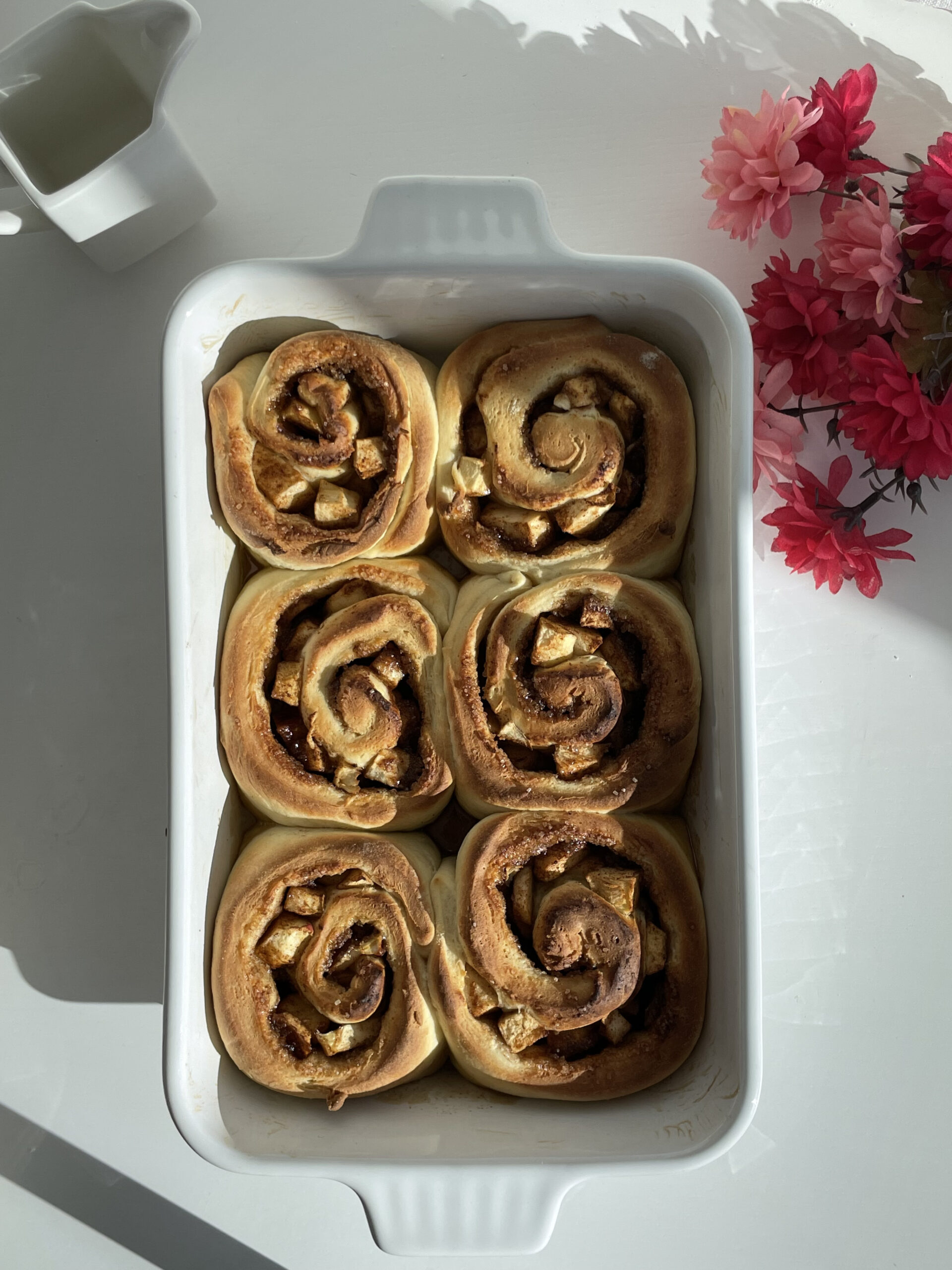
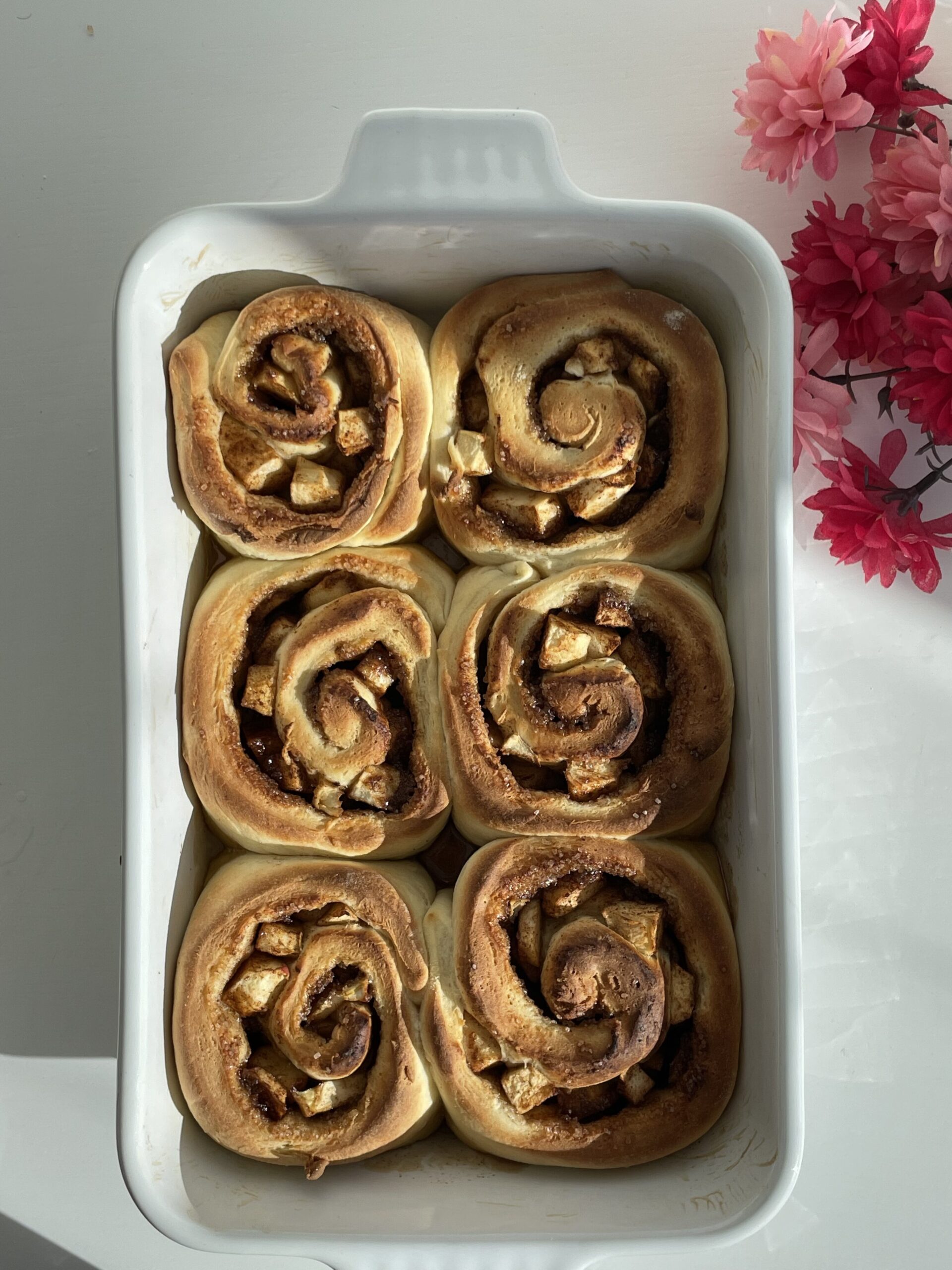
Bake your Apple Cinnamon Rolls for 25 to 30 minutes until they turn golden brown on top. The exact time varies based on your oven and how dark you prefer the tops. The rolls should feel firm when gently pressed and register at least 190 degrees Fahrenheit in the center when tested with an instant-read thermometer.

Avoid opening the oven door frequently while baking Apple Cinnamon Rolls, as this releases heat and can cause uneven cooking. If you must check them, do so quickly and close the door immediately. The rolls will continue cooking slightly after removal from the oven due to residual heat.

Cooling Considerations

Remove your baked Apple Cinnamon Rolls from the oven and let them cool in the pan for about 10 minutes. This brief cooling period allows the structure to set slightly, making the rolls easier to remove without falling apart. However, don’t let them cool completely in the pan, as condensation can make the bottoms soggy.

Transfer the Apple Cinnamon Rolls to a wire rack if you want slightly firmer sides, or leave them in the pan for softer rolls. Most people prefer applying the glaze while the rolls are still quite warm, as it melts slightly and soaks into the layers, creating an incredibly indulgent texture.

Creating the Perfect Cream Cheese Glaze

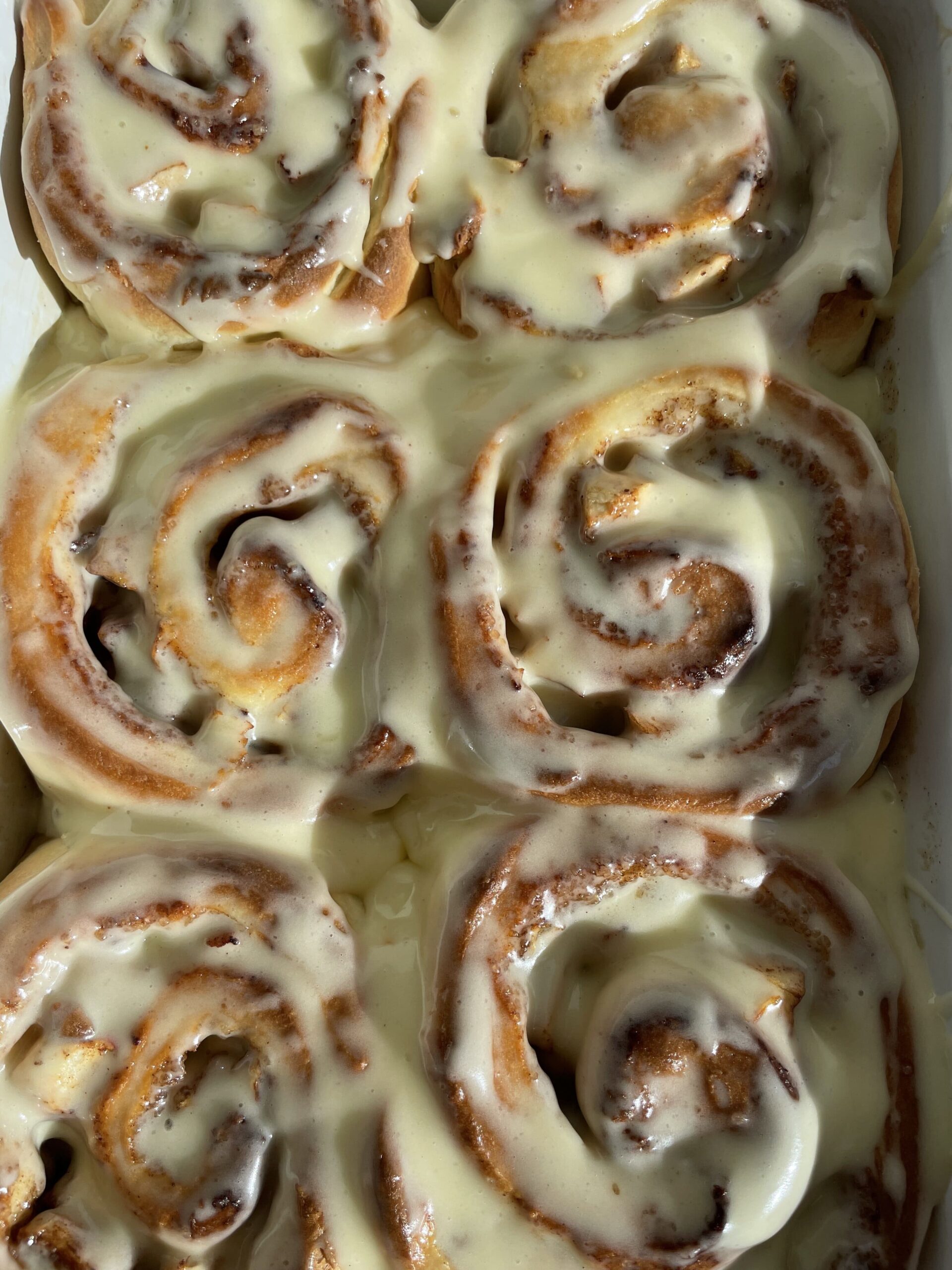
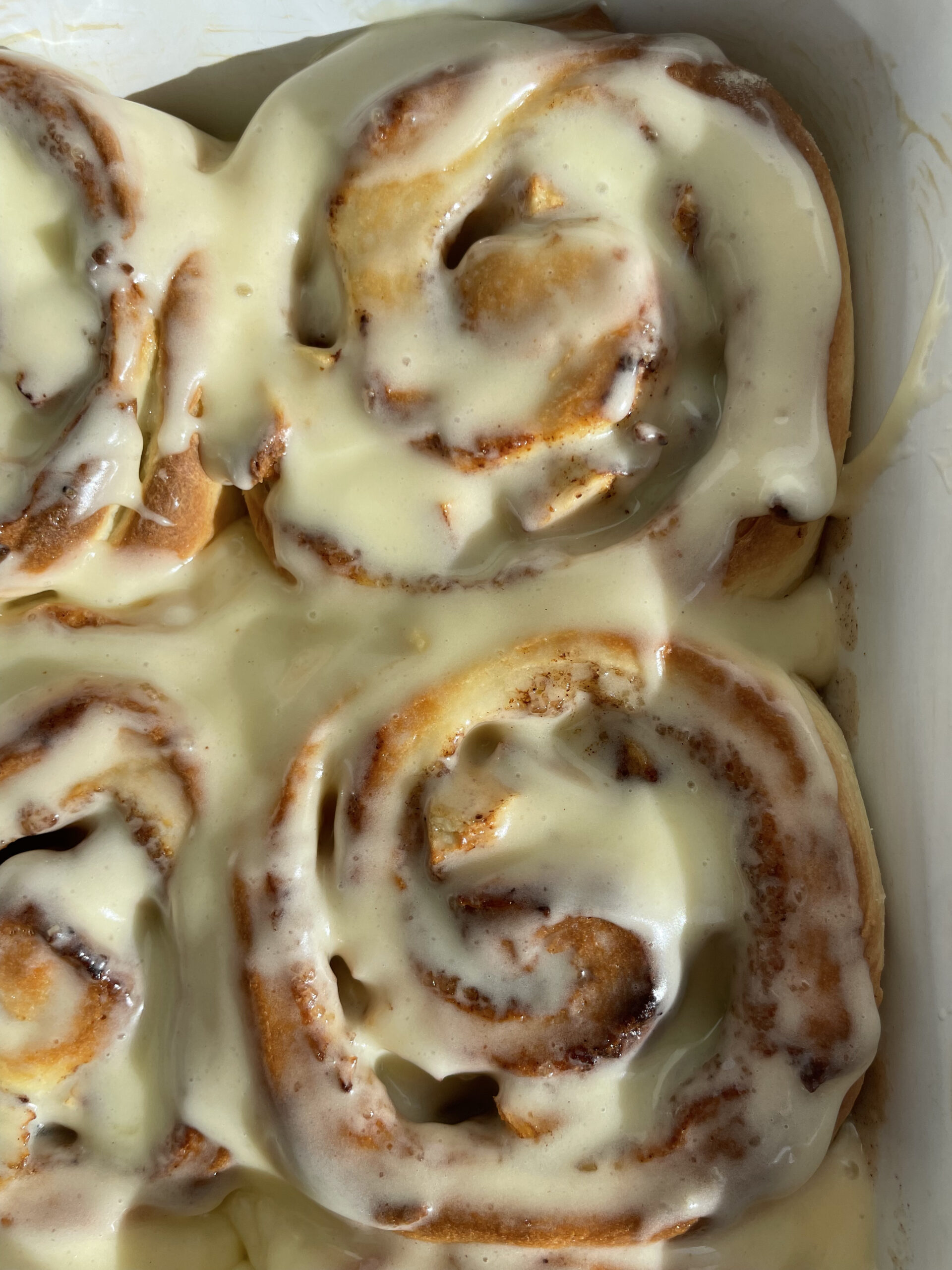
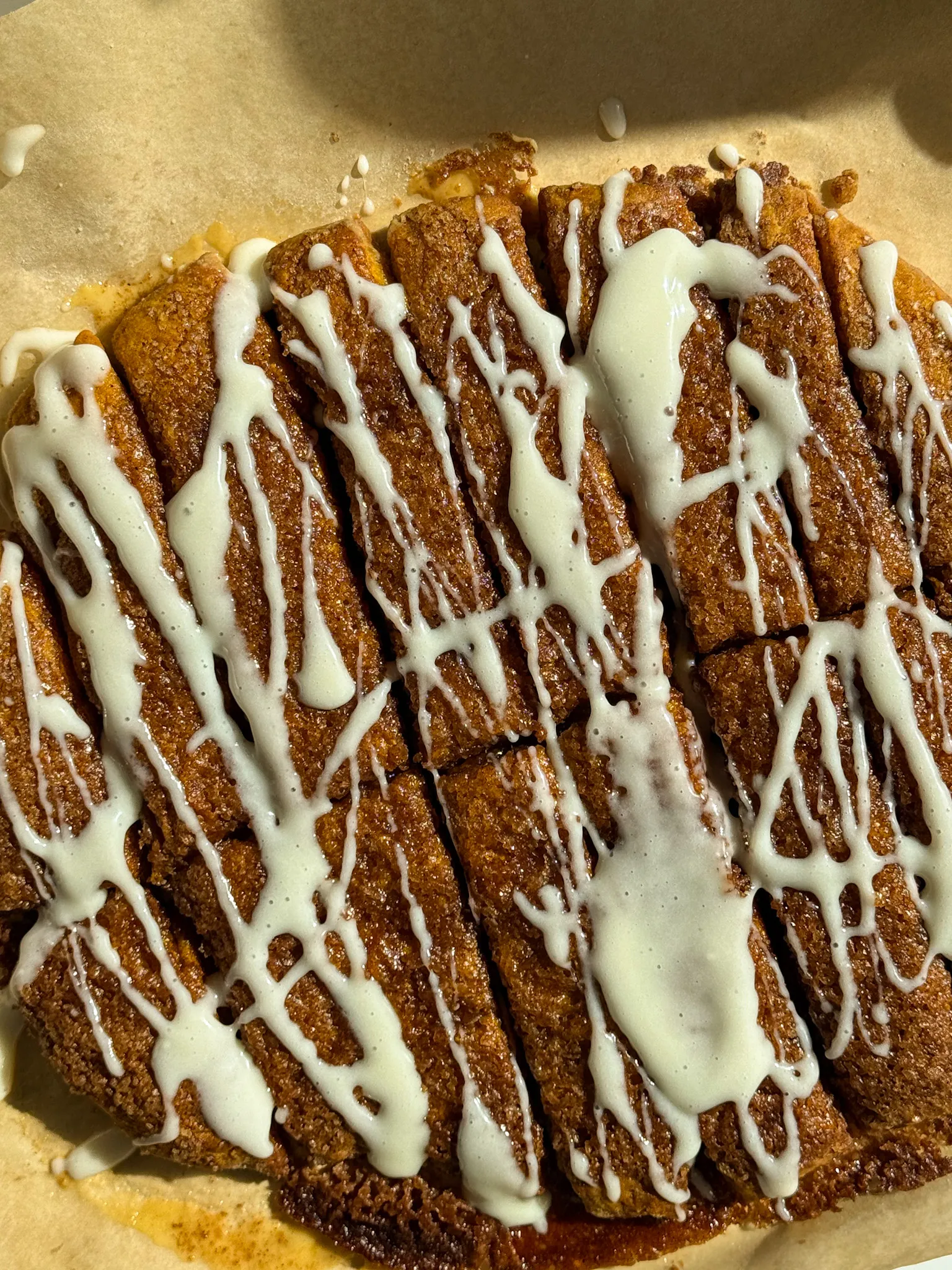
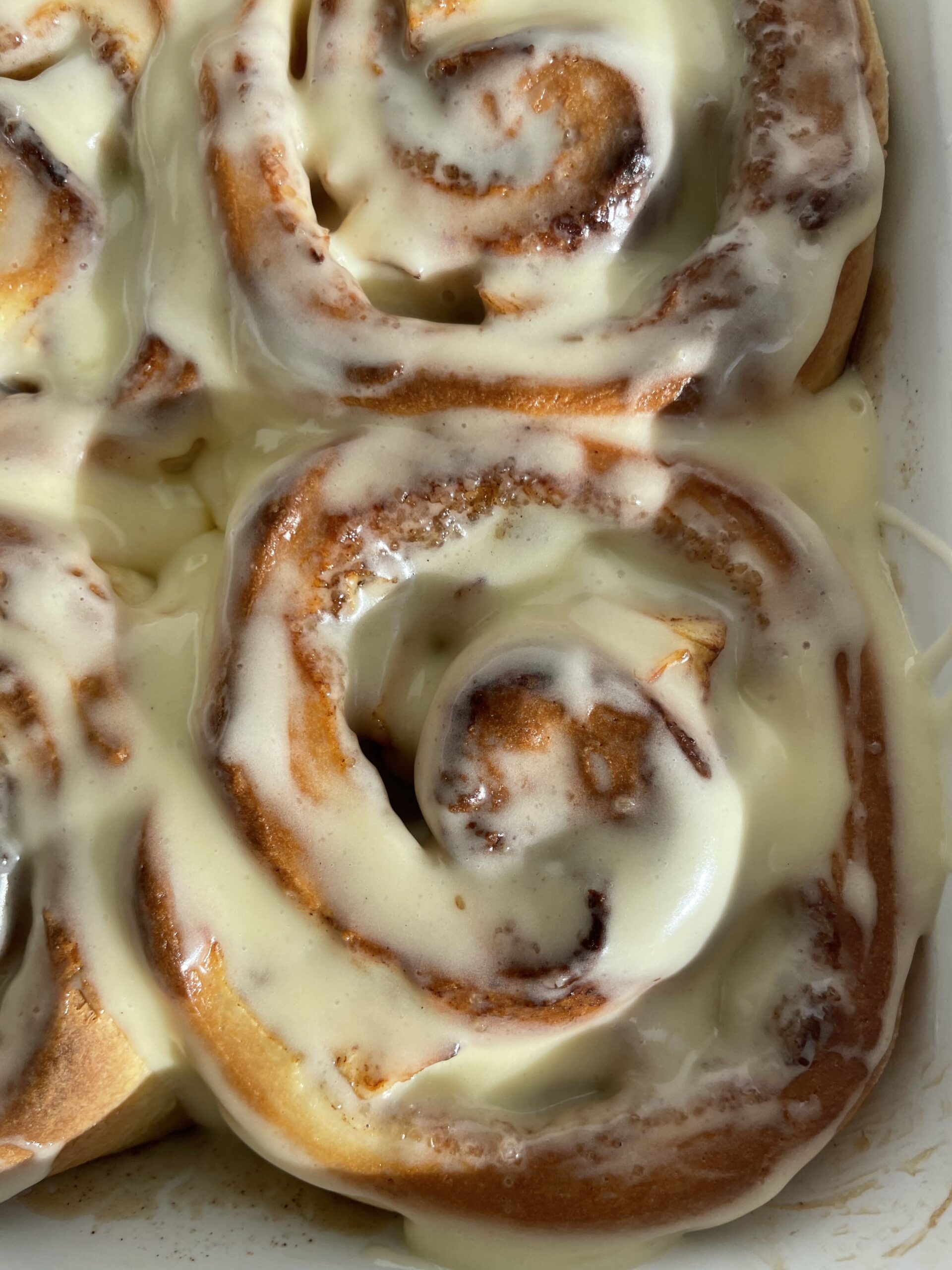
The cream cheese glaze elevates Apple Cinnamon Rolls from delicious to extraordinary. This rich, tangy frosting complements the sweet rolls perfectly and adds visual appeal with its white, glossy finish. The glaze should be smooth and pourable but thick enough to coat the rolls without running off completely.

Glaze Ingredients and Preparation

Beat softened cream cheese with an electric mixer until fluffy for your Apple Cinnamon Rolls glaze. Add softened butter and continue beating until the mixture is smooth and well combined. The butter should be at the same consistency as the cream cheese so they blend together properly without lumps.

Gradually add powdered sugar to your cream cheese mixture for the Apple Cinnamon Rolls glaze, beating on low speed initially to prevent a sugar cloud. Once the sugar incorporates, increase the speed and beat until smooth and creamy. Add vanilla extract and a tablespoon or two of milk to thin the glaze to the desired consistency.

Consistency Adjustments

The perfect glaze for Apple Cinnamon Rolls should be thick enough to cling to the rolls but thin enough to drizzle easily. If your glaze is too thick, add milk one teaspoon at a time until it reaches the right consistency. If it’s too thin, add more powdered sugar gradually until it thickens appropriately.

Temperature affects glaze consistency for Apple Cinnamon Rolls significantly. Cold glaze is thicker and harder to spread, while warm glaze is thinner and more pourable. If your glaze becomes too firm, microwave it for five to ten seconds to soften, then stir well before using.

Application Technique

Drizzle or spread your cream cheese glaze over warm Apple Cinnamon Rolls for the best results. The residual heat from the rolls will slightly melt the glaze, allowing it to seep into the layers and crevices. This creates pockets of sweet, tangy frosting throughout each roll rather than just on the surface.

Use a spoon to drizzle glaze in a zigzag pattern over your Apple Cinnamon Rolls, or spread it evenly with an offset spatula for full coverage. Some people prefer a light glaze that lets the rolls show through, while others want a thick layer of frosting. Adjust the amount based on personal preference.

Apple Cinnamon Rolls

Professional Tips for Success

Mastering Apple Cinnamon Rolls becomes easier when you understand professional techniques that ensure consistent results. These tips address common challenges and help you avoid mistakes that can compromise quality. Even small adjustments can make significant differences in the final product.

Temperature Control

Maintaining proper temperature throughout the process is crucial for perfect Apple Cinnamon Rolls. Keep ingredients at room temperature unless the recipe specifies otherwise. Cold eggs and butter don’t incorporate well into dough, while ingredients that are too warm can kill yeast or create the wrong texture.

Use an instant-read thermometer to verify liquid temperature when activating yeast for Apple Cinnamon Rolls. Water or milk that’s too hot will kill yeast, preventing the dough from rising. Liquid that’s too cool won’t activate yeast properly, resulting in slow or inadequate rising.

Measuring Accuracy

Accurate measuring significantly impacts Apple Cinnamon Rolls success. Use the spoon-and-level method for flour: spoon flour into a measuring cup, then level it with a straight edge. Don’t scoop directly from the bag, as this packs too much flour into the cup and makes the dough dry and dense.

Consider weighing ingredients for the most consistent Apple Cinnamon Rolls results. A kitchen scale provides precision that volumetric measuring can’t match, especially for flour, which can vary significantly in weight depending on how it’s measured. Most professional bakers prefer weighing over measuring cups.

Dough Handling

Handle your Apple Cinnamon Rolls dough gently to preserve the air bubbles created during fermentation. Rough handling deflates the dough and creates dense rolls. When rolling out dough, use just enough flour to prevent sticking without adding excessive amounts that dry out the texture.

If your dough tears while rolling for Apple Cinnamon Rolls, patch it by pinching the edges together or laying a small piece of dough over the tear and pressing gently. Small imperfections in the rolled-out dough won’t affect the final product significantly.

Timing Flexibility

You can refrigerate Apple Cinnamon Rolls dough after the first rise if you’re not ready to proceed immediately. Punch down the dough, place it in a greased bowl, cover tightly, and refrigerate for up to 24 hours. When ready to use, let it come to room temperature before rolling out, which takes about 30 minutes.

Assembled Apple Cinnamon Rolls can also be refrigerated overnight before the second rise. Arrange cut rolls in your baking pan, cover tightly with plastic wrap, and refrigerate. In the morning, remove the pan from the refrigerator, let it sit at room temperature for about an hour until the rolls rise, then bake as directed.

Apple Cinnamon Rolls

Common Mistakes and Solutions

Understanding what can go wrong helps you avoid problems with your Apple Cinnamon Rolls. Many issues have simple solutions once you identify the cause. Learning from these common mistakes improves your baking skills and ensures better results every time.

Dense, Heavy Rolls

Dense Apple Cinnamon Rolls usually result from insufficient rising time or adding too much flour. If your kitchen is cold, the dough will rise slowly and may not double in size within the estimated time. Place the bowl in a warmer location or create a proofing box by turning your oven to the lowest setting for one minute, turning it off, then placing the covered bowl inside.

Too much flour makes Apple Cinnamon Rolls heavy and dry. This often happens when flour is scooped directly from the bag, packing it into the measuring cup. Always spoon flour into measuring cups and level with a straight edge. The dough should feel soft and slightly tacky but not sticky after kneading.

Soggy or Gummy Centers

Underbaking causes soggy centers in Apple Cinnamon Rolls. The rolls might look done on the outside while remaining raw inside. Use an instant-read thermometer inserted into the center of a middle roll. The internal temperature should reach at least 190 degrees Fahrenheit to ensure the dough is fully cooked.

Excess moisture from the apple filling can also make Apple Cinnamon Rolls gummy. Always cook your apples before adding them to remove excess liquid. Let the cooked filling cool completely before spreading it on the dough. If your filling seems watery, drain it slightly before using.

Uneven Baking

Some Apple Cinnamon Rolls baking darker than others indicates uneven oven temperature. Most home ovens have hot spots that cause this problem. Rotating the pan halfway through baking helps compensate. Consider using an oven thermometer to verify your oven heats to the temperature shown on the dial.

Crowding Apple Cinnamon Rolls too close together in the pan can prevent even browning. Leave small gaps between rolls when arranging them, allowing hot air to circulate. The rolls will expand and touch during rising and baking, but the initial spacing improves air circulation and promotes even cooking.

Filling Leakage

Apple Cinnamon Rolls that leak filling during baking weren’t sealed properly or were rolled too loosely. When rolling the dough log, keep it tight and even. Pinch the seam firmly to seal, and place the log seam-side down before cutting to prevent it from unrolling.

Overfilling your Apple Cinnamon Rolls can also cause leakage. Don’t pile too much apple mixture on the dough, as excess filling has nowhere to go and oozes out during baking. A moderate, even layer provides plenty of flavor without creating a mess in your pan.

Delicious Variations to Try

Once you master basic Apple Cinnamon Rolls, experimenting with variations keeps the recipe exciting. These adaptations use the same fundamental technique while introducing new flavors and ingredients. Each variation offers a unique twist while maintaining the comforting essence of the original.

Caramel Apple Version

Transform your Apple Cinnamon Rolls into a caramel apple treat by adding a caramel sauce layer. Before placing cut rolls in the pan, pour homemade or store-bought caramel sauce across the bottom. When you invert the baked rolls onto a serving platter, the caramel becomes a sticky, sweet topping.

You can also add chopped pecans or walnuts to the caramel layer for caramel apple pecan Apple Cinnamon Rolls. The nuts add crunch and complement both the caramel and apple flavors perfectly. Toast the nuts before adding them to intensify their flavor and improve texture.

Apple Pie Spice Blend

Replace plain cinnamon in your Apple Cinnamon Rolls with apple pie spice for more complex flavor. This blend typically includes cinnamon, nutmeg, allspice, ginger, and sometimes cardamom. The multiple spices create depth and warmth that enhances the apple filling beautifully.

Make your own apple pie spice blend for Apple Cinnamon Rolls by combining two tablespoons cinnamon, two teaspoons nutmeg, one teaspoon allspice, and one teaspoon ginger. Store extra spice blend in an airtight container and use it in other apple desserts throughout the season.

Maple Cream Cheese Glaze

Substitute pure maple syrup for some of the milk in your cream cheese glaze for maple-flavored Apple Cinnamon Rolls. The maple flavor pairs wonderfully with apples and adds an autumnal note. Use real maple syrup rather than pancake syrup for authentic flavor.

For intense maple flavor in your Apple Cinnamon Rolls glaze, add a small amount of maple extract along with the syrup. Start with half a teaspoon and adjust to taste. The combination of maple, cream cheese, and apples creates a sophisticated flavor profile.

Whole Grain Option

Substitute half the all-purpose flour with whole wheat flour for heartier Apple Cinnamon Rolls. This adds fiber and nutrition while creating a slightly denser, more rustic texture. The whole wheat flavor complements the apples and cinnamon nicely.

When making whole grain Apple Cinnamon Rolls, you may need to add slightly more liquid to the dough, as whole wheat flour absorbs more moisture than all-purpose. The dough should still feel soft and pliable after kneading. Let the dough rest for ten minutes after mixing to allow the bran to hydrate fully.

Apple Cinnamon Rolls

Storage and Reheating Guidelines

Proper storage maintains the quality of your Apple Cinnamon Rolls for several days after baking. Understanding the best methods for keeping and reheating them ensures you can enjoy fresh-tasting rolls beyond the day you bake them. These techniques preserve texture and flavor effectively.

Short-Term Storage

Store leftover Apple Cinnamon Rolls at room temperature for up to two days in an airtight container. The container prevents them from drying out while maintaining the soft texture. Don’t refrigerate rolls you plan to eat within 48 hours, as refrigeration can make them stale faster.

If your Apple Cinnamon Rolls have cream cheese glaze, refrigeration becomes necessary after 24 hours due to the dairy content. Place them in an airtight container and refrigerate for up to five days. Let refrigerated rolls come to room temperature or reheat them before serving for the best texture and flavor.

Freezing for Long-Term Storage

Freeze Apple Cinnamon Rolls for storage up to three months without significant quality loss. Wrap individual rolls tightly in plastic wrap, then place them in a freezer bag, removing as much air as possible. This double wrapping prevents freezer burn and preserves freshness.

You can freeze Apple Cinnamon Rolls before or after adding glaze, depending on preference. Freezing before glazing allows you to add fresh glaze when serving, which some people prefer. If freezing glazed rolls, make sure the glaze is completely set before wrapping to prevent it from sticking to the plastic.

Reheating Methods

Microwave individual Apple Cinnamon Rolls for 20 to 30 seconds for quick reheating. Place the roll on a microwave-safe plate and heat until warmed through. Don’t overheat, as this can make the roll tough and rubbery. A slightly damp paper towel over the roll during microwaving adds moisture.

Reheat multiple Apple Cinnamon Rolls in the oven at 325 degrees Fahrenheit for about 10 minutes. Cover the pan with foil to prevent the tops from browning too much. This method restores the fresh-baked texture better than microwaving and works well when serving several people.

Refreshing Day-Old Rolls

Restore freshness to day-old Apple Cinnamon Rolls by brushing them lightly with melted butter before reheating. The butter adds moisture and richness that may have been lost during storage. Heat in a 325-degree oven for eight to ten minutes until warm and soft.

Another technique for refreshing Apple Cinnamon Rolls involves creating steam in your oven. Place a pan of hot water on the oven’s bottom rack while reheating the rolls on a middle rack. The steam keeps the rolls moist and prevents them from drying out further during reheating.

Apple Cinnamon Rolls

Frequently Asked Questions

Can I make the dough ahead of time?

Yes, you can prepare Apple Cinnamon Rolls dough in advance and refrigerate it after the first rise. Punch down the risen dough, place it in a greased bowl, cover tightly with plastic wrap, and refrigerate for up to 24 hours. When ready to use, let the dough sit at room temperature for about 30 minutes before rolling out. This method is perfect for making fresh rolls for breakfast without waking up extremely early.

What if my yeast doesn’t foam during proofing?

If your yeast doesn’t bubble and foam when proofed for Apple Cinnamon Rolls, it’s likely dead and won’t leaven your dough. This happens when yeast is expired, or the liquid used was too hot and killed the yeast. Discard the mixture and start over with fresh yeast and properly heated liquid around 110 degrees Fahrenheit.

Can I use a different type of fruit?

While apples work best in Apple Cinnamon Rolls, you can experiment with other fruits like pears, peaches, or berries. Pears have a similar texture to apples and work particularly well. Any fruit you choose should be cooked first to remove excess moisture. Berries may require adding a thickener like cornstarch to prevent excessive juiciness.

Why did my rolls not rise properly?

Several factors can prevent Apple Cinnamon Rolls from rising adequately. Dead yeast is the most common cause, followed by liquid that was too hot or too cold. A kitchen that’s too cold will slow yeast activity dramatically, requiring longer rising times. Adding too much flour creates a stiff dough that rises poorly. Check your yeast freshness, liquid temperature, and kitchen environment.

How do I know when the rolls are done baking?

Apple Cinnamon Rolls are done when they’re golden brown on top and register at least 190 degrees Fahrenheit in the center when tested with an instant-read thermometer. They should feel firm when gently pressed and no longer look wet or doughy between the layers. The smell will be irresistibly fragrant, and the edges should pull away slightly from the pan.

Can I reduce the sugar in this recipe?

You can reduce sugar in Apple Cinnamon Rolls somewhat, but this affects texture and browning in addition to sweetness. Sugar tenderizes the dough and helps it brown during baking. Reducing it by more than 25 percent will noticeably impact the final product. The cinnamon sugar filling can be reduced more easily than the dough sugar without major consequences.

Apple Cinnamon Rolls

Final Thoughts

Apple Cinnamon Rolls represent a perfect combination of technique, quality ingredients, and patience that results in an exceptional homemade treat. The process of making these rolls from scratch might take time, but the incredible aroma filling your kitchen and the satisfied expressions on faces when people take their first bite make every minute worthwhile. These rolls bring comfort and joy whether served for a special breakfast, holiday brunch, or weekend indulgence.

The beauty of this recipe lies in its adaptability and the way it welcomes your personal touches. Once you master the basic technique, you can customize Apple Cinnamon Rolls to suit your preferences and experiment with different glazes, fillings, or spice blends. Each batch you bake will improve your skills and deepen your understanding of how ingredients and techniques work together.

Don’t be intimidated by working with yeast dough or worry about achieving perfection on your first attempt. Even slightly imperfect Apple Cinnamon Rolls taste delicious and provide valuable learning experiences. The more you practice, the more natural the process becomes, and soon you’ll be confidently turning out bakery-quality rolls that impress everyone lucky enough to try them. Gather your ingredients, set aside a morning or afternoon, and experience the satisfaction of creating these wonderful rolls in your own kitchen.

Watch the recipe video for more clarity
See our this Honey Butter Milk Bread Rolls recipe

People also like our these recipes:

Cinnamon Roll Focaccia

PINK CLASSIC CINNAMON ROLLS

PUMPKIN CINNAMON ROLLS

Apple Cinnamon Rolls
Apple Cinnamon RollsBakeanna

APPLE CINNAMON ROLLS

Apple Cinnamon Rolls are like a sweet hug from fall itself! Imagine soft, fluffy rolls, rolled in cinnamon sugar and filled with tender apple slices, baked to perfection.
Prep Time 30 minutes
Cook Time 30 minutes
RISE TIME 2 hours
Total Time 3 hours
Servings: 12 ROLLS
Course: Dessert
Cuisine: American
Calories: 700

Ingredients

FOR THE DOUGH
  • 4 cups all-purpose flour
  • 1/3 cup granulated sugar
  • 1 packet instant yeast
  • 1 tsp salt
  • 1 1/2 cup milk
  • 6 tbsp unsalted butter
  • 1 egg room temperature
FOR THE CINNAMON SUGAR FILLING
  • 1/4 cup unsalted butter softened
  • 2/3 cup light brown sugar
  • 1 tbsp cinnamon
  • 1/2 tsp ginger
  • 1/2 tsp nutmeg
  • 3 apples peeled and diced
  • Pinch of salt
FOR THE CREAM CHEESE FROSTING
  • 4 ounces cream cheese softened
  • 1/2 cup unsalted butter room temperature
  • 3 cups powdered sugar
  • 2-3 tbsp milk
  • 1 tbsp vanilla
  • Pinch of salt

Method

  1. Combine 2 cups of flour, yeast, salt, and sugar in a large bowl, mixing well.
  2. In a microwave-safe bowl, warm the milk and butter for about 30 seconds until the butter is mostly melted, and the mixture is warm, not hot.
  3. Once warmed, add the milk and butter mixture to the dry ingredients.
  4. Add the egg and beat at low speed, gradually increasing to high until fully combined, approximately 2 minutes.
  5. Scrape down the sides of the bowl and gradually add 1 more cup of flour, continuing to beat until combined.
  6. Slowly incorporate the remaining cup of flour until the dough begins to pull away from the sides of the bowl and forms a ball.
  7. Transfer the dough onto a floured surface and knead for approximately 10 minutes until it becomes smooth and stretchy.
  8. To check if the dough is ready, stretch a piece between your fingers without it breaking; if it stretches without tearing, the gluten has developed, and your dough will be beautifully soft and pillowy.
  9. Transfer the dough to a bowl coated with oil, cover it, and let it rise in a warm place for about 1 hour or until it has doubled in size.
  10. While the dough rises, prepare the filling. Peel, core, and dice the apples into small pieces. In a small bowl, combine the sugar, spices, and salt, mixing well. Set aside.
  11. Once the dough has risen, roll it out on a well-floured surface into a long rectangle measuring about 18 x 12 inches.
  12. Spread the butter for the filling evenly over the dough, reaching all the way to the edges. Sprinkle the sugar mixture and the diced apple pieces over the butter, pressing them gently into the dough.
  13. Starting from the long end, tightly roll the dough away from you into a compact log, ensuring to seal the bottom edge by pinching the dough together.
  14. Using either dental floss or a sharp knife, cut the rolled dough into 12 evenly sized rolls. Place the rolls in a 9 x 13 inch baking pan lined with parchment paper. Loosely cover the pan with a dishcloth and let the rolls rise for another hour until they double in size and appear puffy.
  15. Preheat your oven to 350°F (175°C). Bake the cinnamon rolls for approximately 30 minutes or until they turn golden brown and are no longer doughy.
  16. While the rolls cool, prepare the cream cheese frosting. In a stand mixer fitted with the whisk attachment, combine the cream cheese, butter, powdered sugar, milk, salt, and vanilla extract. Beat at low speed, gradually increasing to high until the frosting becomes light and fluffy.
  17. Spread the cream cheese frosting evenly over the cooled cinnamon rolls. Serve and enjoy them warm!

If you've given this recipe a try and it won you over, please share your thoughts by leaving a rating and comment below! If you have any questions about this recipe, don't hesitate to ask – I'm here to help and will respond promptly.