Baked Apple Cider Donuts for Perfect Fall Mornings
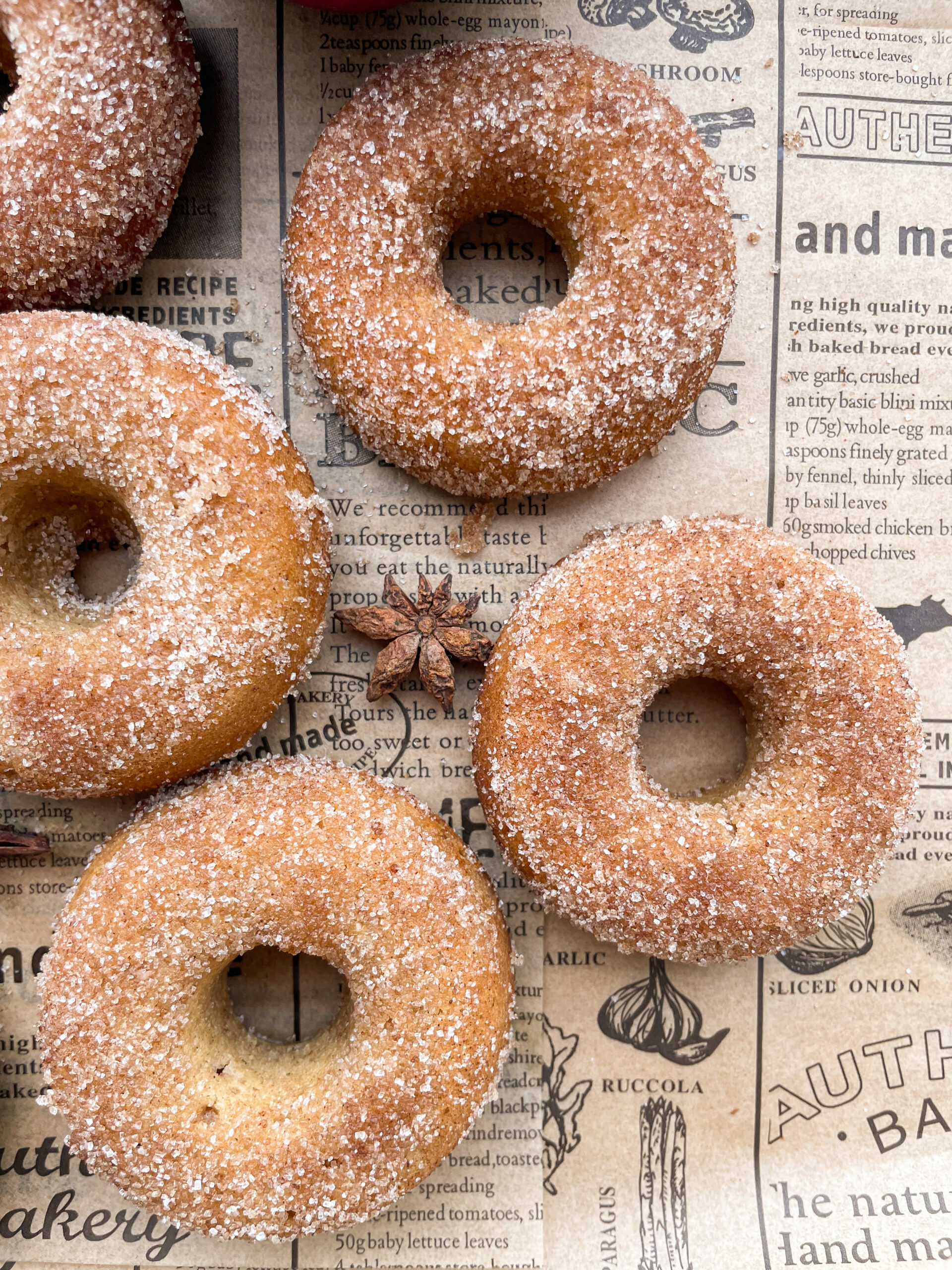
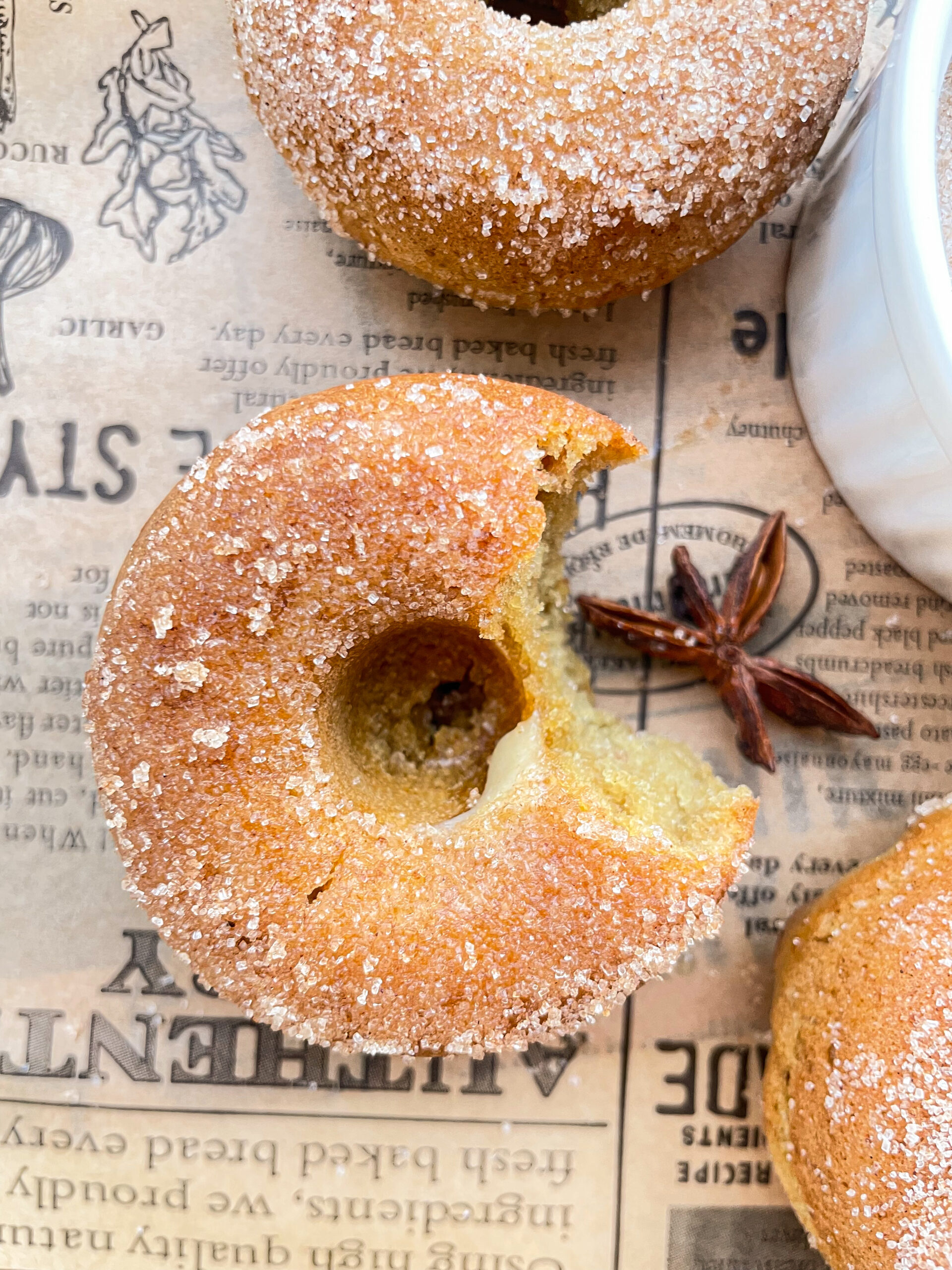
These baked apple cider donuts are a warm, comforting treat that captures the essence of fall in every bite. Imagine biting into a tender, cinnamon-spiced donut filled with the sweet, concentrated flavor of apple cider. These apple cider donuts are like a cozy hug on a cool autumn morning, perfect to enjoy with your favorite cup of coffee or tea.
The beauty of this apple cider donuts recipe lies in its simplicity. Unlike traditional fried donuts, these are baked in the oven, making them lighter and easier to prepare at home. You don’t need any special equipment beyond a donut pan, and the entire process takes about 30 minutes from start to finish.
What makes these apple cider donuts truly special is the use of reduced apple cider. By boiling down fresh cider, you create an intensely flavored syrup that infuses every bite with authentic apple taste. Combined with warm spices and a generous coating of cinnamon sugar, these donuts deliver all the nostalgic flavors of fall without the hassle of deep frying.
Why This Recipe Works
This baked version of apple cider donuts offers all the flavor of traditional fried versions with several advantages. Baking creates a tender, cake-like texture that’s soft inside with slightly crisp edges. The method is cleaner, healthier, and more accessible for home bakers who may not want to deal with hot oil.
The recipe uses everyday pantry ingredients that you likely already have on hand. No obscure items or complicated techniques required. Just mix, pour, bake, and coat in cinnamon sugar. The simplicity makes these apple cider donuts perfect for busy mornings or last-minute gatherings.
The Fall Tradition Behind Apple Cider Donuts
Apple cider donuts have become synonymous with autumn in many regions. They’re a staple at apple orchards, fall festivals, and farmers markets. The tradition began in the northeastern United States, where apple harvests inspired bakers to incorporate fresh cider into their donut recipes.
Today, apple cider donuts represent more than just a seasonal treat. They evoke memories of crisp autumn days, apple picking adventures, and the simple pleasures of fall. Making them at home allows you to recreate that experience and fill your kitchen with the incredible aroma of cinnamon and apples.
Understanding What Makes Apple Cider Donuts Special
Before diving into the recipe, understanding what sets apple cider donuts apart from regular donuts helps you appreciate the technique and achieve the best results.
The Role of Reduced Apple Cider
Fresh apple cider straight from the jug contains too much water for baking. To create apple cider donuts with intense apple flavor, you must first reduce the cider by boiling it. This process evaporates excess liquid and concentrates the natural sugars and apple essence.
When you reduce two cups of cider down to about half a cup, the liquid becomes thick and syrupy with a deep, caramelized apple flavor. This concentrated cider is what gives apple cider donuts their signature taste. Without this step, the donuts would taste generic and lack that distinctive apple character.
The reduction process takes about 15 to 20 minutes on the stovetop. Simply pour cider into a saucepan, bring it to a boil, then simmer until it reduces significantly. You’ll know it’s ready when the liquid coats the back of a spoon and has a syrupy consistency.
Texture Differences: Baked vs. Fried
Traditional apple cider donuts are fried, creating a crispy exterior and fluffy interior. Baked apple cider donuts have a different but equally appealing texture. They’re more cake-like, similar to muffins, with a tender crumb and slightly domed top.
The baked version offers several advantages beyond convenience. These apple cider donuts are less greasy, making them feel lighter. They’re also more forgiving for beginners, as there’s no risk of undercooked centers or burnt exteriors from temperature fluctuations in hot oil.
While the textures differ, the flavor remains authentic. The cinnamon sugar coating provides textural contrast, giving the outside a slight crunch that complements the soft interior perfectly.
Why Buttermilk or Yogurt Matters
Many apple cider donuts recipes call for buttermilk or yogurt, and there’s good reason for this. These acidic dairy products react with baking soda to create lift and tenderness. The acid also enhances flavor, adding subtle tanginess that balances the sweetness.
If you don’t have buttermilk, regular milk mixed with yogurt works wonderfully in apple cider donuts. The yogurt provides the necessary acidity while contributing moisture and richness. This combination creates donuts that stay soft for days rather than drying out quickly.
Choosing the Right Ingredients
Quality ingredients make a noticeable difference in these apple cider donuts. While the recipe is forgiving, selecting the best options elevates the final result.
Selecting Your Apple Cider
Use fresh, unfiltered apple cider rather than apple juice for authentic apple cider donuts. Apple cider has a cloudier appearance and more complex flavor than clear apple juice. It contains more of the natural apple solids and tastes richer when reduced.
Look for cider without added sweeteners or preservatives. Many local orchards and farmers markets sell fresh-pressed cider during fall. Grocery stores also carry quality options in their refrigerated juice section. Avoid shelf-stable apple juice, as it won’t provide the depth of flavor needed for proper apple cider donuts.
Flour Considerations
All-purpose flour works perfectly for apple cider donuts. It provides the right protein content for a tender yet structured crumb. Some bakers use cake flour for even softer donuts, though this isn’t necessary for excellent results.
Measure flour correctly by spooning it into your measuring cup and leveling off the top. Scooping directly from the bag compacts the flour, resulting in dry, dense apple cider donuts. Proper measuring ensures the ideal ratio of wet to dry ingredients.
Spice Selection for Maximum Flavor
Cinnamon is essential for apple cider donuts, but adding nutmeg, allspice, or ginger creates more complex flavor. Use fresh spices rather than old ones sitting in your cabinet for years. Fresh spices have stronger aroma and flavor that makes a real difference.
Ground cinnamon provides the classic warmth associated with apple cider donuts. A small amount of nutmeg adds depth without being identifiable. If you enjoy chai-spiced flavors, a pinch of cardamom elevates these donuts beautifully.
Butter vs. Oil
Melted butter contributes rich flavor to apple cider donuts, though neutral oil like vegetable or canola also works. Butter provides better taste, while oil creates slightly more tender donuts. Many bakers use a combination to get benefits of both.
If using butter in your apple cider donuts, let it cool slightly after melting. Adding hot butter to your batter can partially cook the eggs, creating an undesirable texture. Room temperature butter blends smoothly without causing problems.
Step-by-Step Instructions
Making apple cider donuts at home is straightforward when you follow these detailed steps. The process breaks down into three main phases: reducing the cider, mixing the batter, and baking.
Reducing the Apple Cider
Pour two cups of fresh apple cider into a medium saucepan. Place it over medium-high heat and bring to a boil. Once boiling, reduce heat slightly and let the cider simmer. You want active bubbling but not a violent boil that causes splattering.
Stir occasionally and watch as the cider reduces. This typically takes 15 to 20 minutes. The cider is ready when it measures about half a cup and has a thick, syrupy consistency. It should coat the back of a spoon and flow slowly when poured.
Remove the reduced cider from heat and let it cool while you prepare other ingredients. This cooling time is important because adding hot cider to your batter could affect the leavening agents in your apple cider donuts recipe.
Preparing Your Donut Pan
Preheat your oven to 350°F. Thoroughly grease your donut pan with butter or non-stick cooking spray. Pay special attention to the center posts, as these areas tend to stick. Some bakers prefer using melted butter applied with a pastry brush for complete coverage.
A standard donut pan makes six donuts at a time. If you have two pans, you can bake the entire batch of apple cider donuts simultaneously. Otherwise, you’ll bake in batches, which works fine since the batter holds up well while waiting.
Mixing the Dry Ingredients
In a large bowl, whisk together flour, sugar, baking powder, baking soda, salt, cinnamon, and any additional spices. Whisking thoroughly distributes the leavening agents evenly throughout the flour. This ensures your apple cider donuts rise uniformly.
Make sure there are no lumps in your baking powder or baking soda. Old leavening agents can clump and create uneven rising. Fresh baking powder and soda produce the best texture in apple cider donuts.
Combining Wet Ingredients
In a separate bowl, whisk together your reduced apple cider, milk, yogurt, melted butter, eggs, and vanilla extract. Whisk until the mixture is smooth and well combined. The eggs should be fully incorporated with no streaks remaining.
The wet ingredients should be at room temperature or only slightly warm. Cold ingredients from the refrigerator can cause the melted butter to solidify, creating lumps in your apple cider donuts batter.
Bringing the Batter Together
Pour the wet ingredients into the bowl with dry ingredients. Use a rubber spatula to fold everything together gently. Mix just until no dry flour remains visible. Avoid overmixing, as this develops gluten and creates tough, dense apple cider donuts.
The batter should be thick but pourable, similar to muffin batter. If it seems too thick, add a tablespoon of milk. If too thin, sprinkle in a little more flour. The consistency should allow you to easily pipe or spoon the batter into your donut pan.
Filling the Donut Pan
Transfer the batter to a piping bag or large zip-top bag with a corner cut off. Piping makes filling the donut pan easier and neater than spooning. Pipe batter into each cavity, filling them about two-thirds full.
Avoid overfilling the donut cavities. Apple cider donuts will rise during baking, and overfilled cavities result in donuts without proper holes in the center. Under-filling slightly is better than overfilling when making apple cider donuts.
Baking Process
Bake the apple cider donuts for 10 to 12 minutes. They’re done when the tops spring back when lightly pressed and a toothpick inserted comes out clean. The edges should be golden brown and slightly pulling away from the pan.
Don’t overbake these apple cider donuts. A minute or two too long in the oven creates dry donuts. Start checking around the 10-minute mark, especially if your oven runs hot.
Coating in Cinnamon Sugar
While the donuts bake, prepare your cinnamon sugar coating. Mix granulated sugar with ground cinnamon in a shallow bowl. The ratio depends on personal preference, but typically two tablespoons of cinnamon per cup of sugar works well.
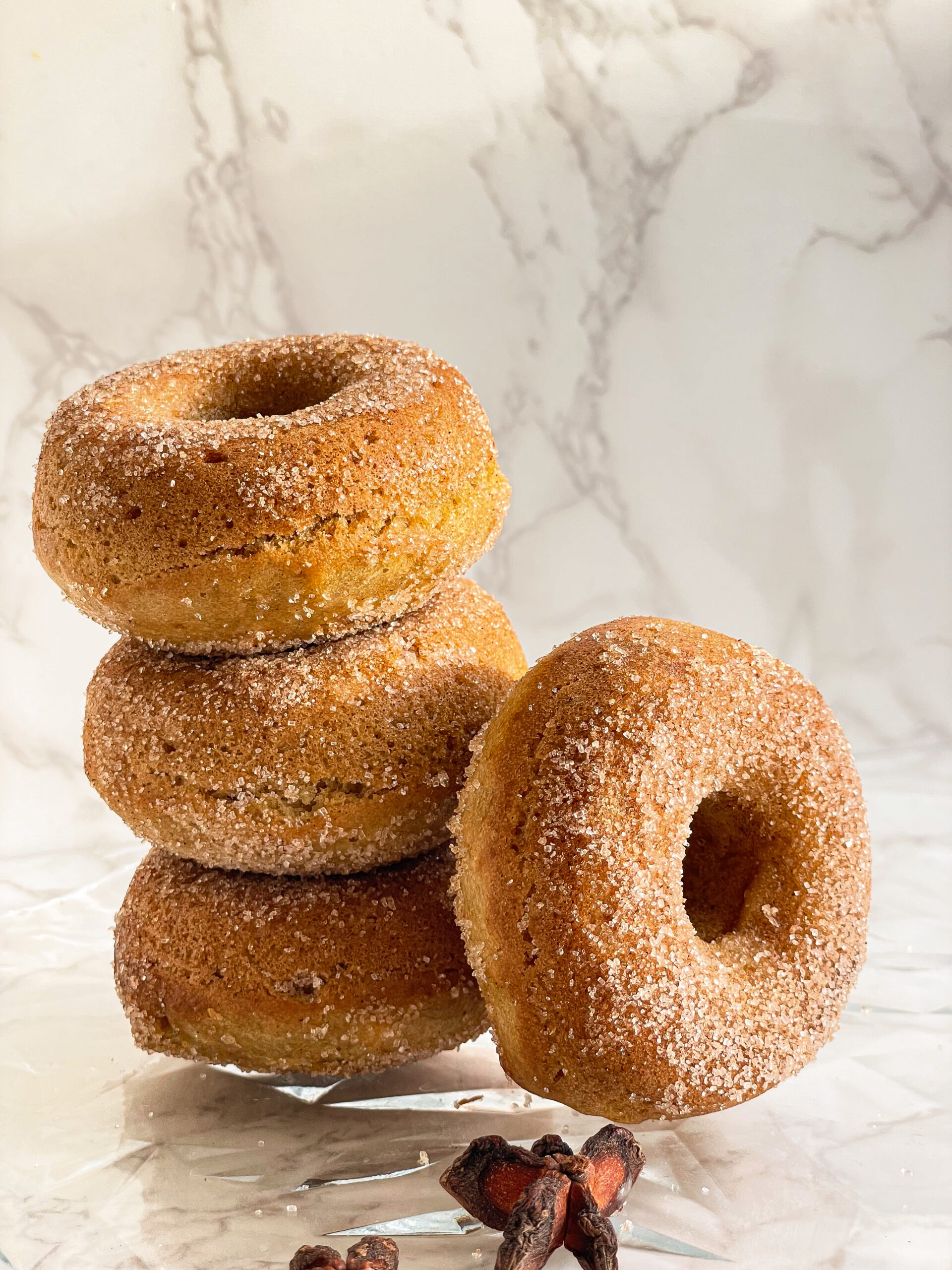
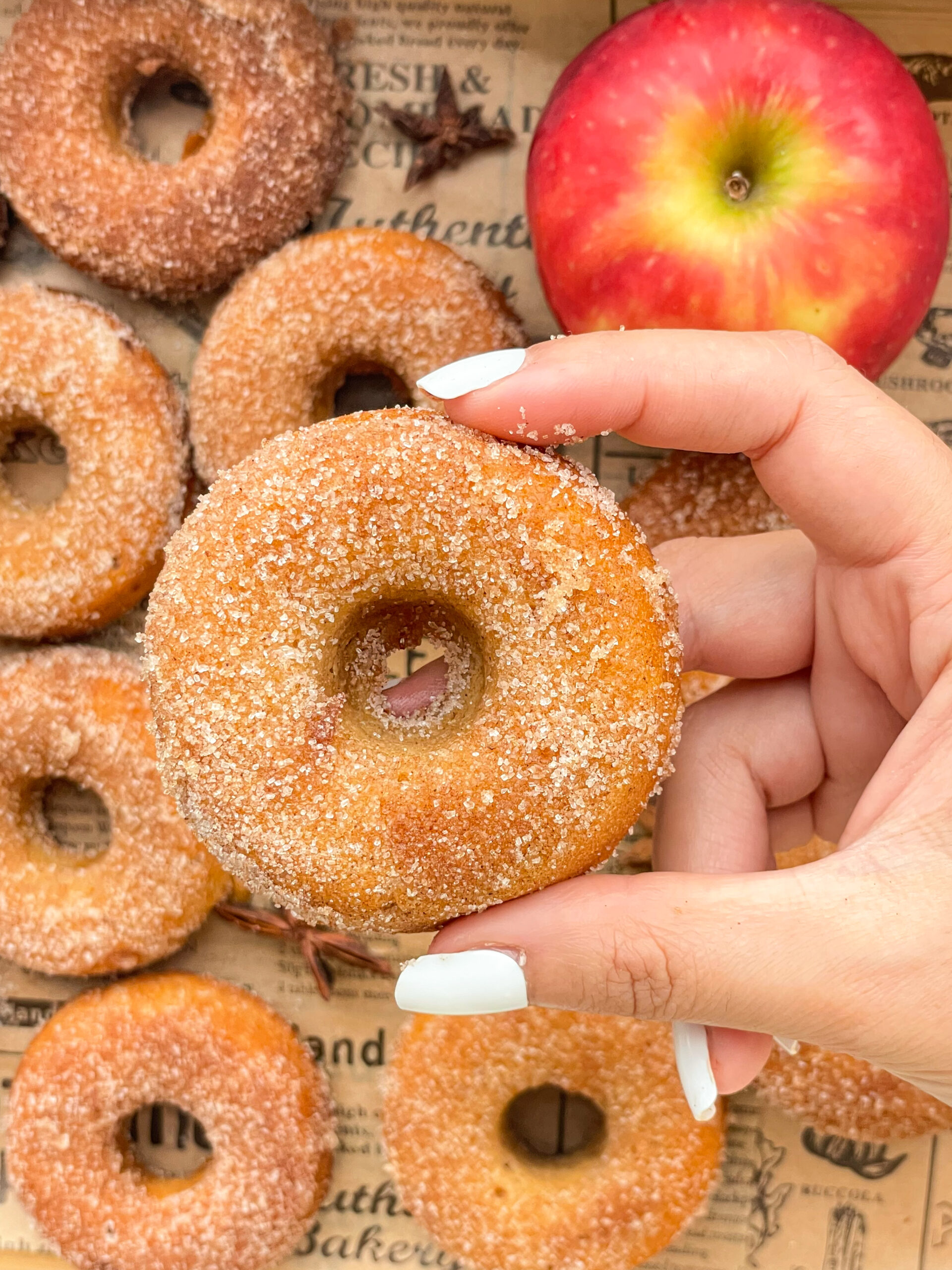
Let the apple cider donuts cool in the pan for two minutes, then carefully remove them. While still warm, brush each donut lightly with melted butter, then roll in the cinnamon sugar mixture. The butter helps the coating stick beautifully.
Professional Tips for Perfect Results
These expert tips ensure your apple cider donuts turn out perfectly every single time you make them.
Temperature Control
Room temperature ingredients blend more smoothly and create better texture in apple cider donuts. Take eggs, milk, and yogurt out of the refrigerator about 30 minutes before baking. Cold ingredients can create a lumpy batter that doesn’t rise properly.
Similarly, don’t let your reduced cider cool completely in the refrigerator. Warm or room temperature cider incorporates better into the batter. Cold, thick cider is difficult to mix evenly through your apple cider donuts batter.
Achieving Even Baking
Rotate your donut pan halfway through baking if your oven has hot spots. Most ovens bake unevenly, with hotter areas in the back or sides. Rotating ensures all your apple cider donuts brown evenly.
If baking multiple pans at once, place them on the same rack side by side rather than stacking on different racks. This promotes even heat distribution and consistent results across all your apple cider donuts.
Preventing Sticking
Even with greasing, apple cider donuts sometimes stick to the pan. Let them cool for the full two minutes before attempting removal. This brief rest allows the donuts to firm up slightly, making them less likely to tear.
If a donut still sticks, run a thin knife around the edges and center post to loosen it. Silicone donut pans generally release easier than metal ones, though both work well for apple cider donuts when properly greased.
Maximizing Apple Flavor
For even more intense apple taste in your apple cider donuts, add a quarter teaspoon of apple pie spice to the batter. This spice blend contains cinnamon, nutmeg, allspice, and sometimes ginger, perfectly complementing the cider.
You can also add finely grated apple to the batter. Pat the grated apple dry with paper towels first to avoid adding excess moisture to your apple cider donuts. This adds texture and fresh apple flavor.
Common Mistakes to Avoid
Learning from common errors helps you create perfect apple cider donuts on your first attempt.
Not Reducing Cider Enough
The most common mistake is under-reducing the apple cider. If you only reduce it slightly, the flavor won’t be concentrated enough. Your apple cider donuts will taste bland and generic instead of rich and apple-forward.
Properly reduced cider should be thick and syrupy, measuring about one-quarter of its original volume. Don’t rush this step. Taking the full 15 to 20 minutes ensures the deep, caramelized apple flavor that makes apple cider donuts special.
Overmixing the Batter
Stirring the batter too vigorously or too long develops gluten in the flour. This creates tough, chewy apple cider donuts instead of tender ones. Mix just until the wet and dry ingredients combine with no dry flour visible.
Some lumps in the batter are fine. Trying to achieve a perfectly smooth batter usually means overmixing. Your apple cider donuts will still turn out beautifully with a few small lumps remaining.
Overbaking Problems
Leaving apple cider donuts in the oven too long is easy to do, especially since they’re small and bake quickly. Set a timer for 10 minutes and check them then. Overbaked donuts become dry and lose their tender texture.
The donuts continue cooking slightly after removal from the oven due to residual heat. Taking them out when they’re just done ensures they remain moist and tender rather than dry.
Coating Issues
Adding the cinnamon sugar coating when donuts are cold doesn’t work well. The sugar won’t stick properly, and you’ll end up with patchy coverage on your apple cider donuts. Always coat while the donuts are still warm.
However, coating when they’re too hot can also be problematic. Extremely hot donuts cause the butter to soak in too much, making them greasy. The two-minute cooling period provides the ideal temperature for coating apple cider donuts.
Variations to Try
Once you’ve mastered basic apple cider donuts, these variations offer exciting ways to customize the recipe.
Glazed Apple Cider Donuts
Instead of cinnamon sugar, try a maple glaze on your apple cider donuts. Whisk together powdered sugar, maple syrup, and a splash of milk until smooth. Dip the tops of cooled donuts into the glaze and let it set.
An apple cider glaze works beautifully too. Mix powdered sugar with a few tablespoons of your reduced cider until you achieve a thick but pourable consistency. This doubles down on apple flavor in your apple cider donuts.
Spice Variations
While cinnamon is classic, experimenting with different spices creates unique apple cider donuts. Try chai spices by adding cardamom, ginger, and cloves to the batter. These warm spices complement apple beautifully.
Pumpkin pie spice also works wonderfully in apple cider donuts, creating a flavor that bridges the gap between apple desserts and pumpkin treats. Use the same amount you would use for cinnamon.
Add-Ins and Mix-Ins
Fold chopped pecans or walnuts into the batter for nutty apple cider donuts with added texture. Toast the nuts first to intensify their flavor. Use about half a cup of finely chopped nuts for one batch.
Tiny apple pieces add fresh fruit texture to apple cider donuts. Dice a small apple very finely and fold it into the batter. The pieces should be small enough that they don’t interfere with the donut shape but large enough to provide textural interest.
Mini vs. Regular Size
If you have a mini donut pan, this recipe adapts easily to make bite-sized apple cider donuts. Reduce baking time to six to eight minutes for minis. Mini versions are perfect for parties or when you want portion control.
Regular-sized apple cider donuts make a more substantial breakfast or snack. They’re also easier to fill if you want to inject them with apple butter or cream cheese filling.
Storage and Reheating
Proper storage keeps your apple cider donuts fresh, and the right reheating method restores their just-baked texture.
Storing at Room Temperature
Apple cider donuts stay fresh at room temperature for two to three days when stored properly. Place them in an airtight container or cover the plate tightly with plastic wrap. The cinnamon sugar coating helps seal in moisture.
Keep stored apple cider donuts away from direct sunlight or heat sources, which can cause them to dry out faster. A cool pantry or covered area on your counter works perfectly.
Refrigeration Considerations
While apple cider donuts can be refrigerated, it’s not ideal. Refrigeration dries out baked goods faster than room temperature storage. If you must refrigerate, place donuts in an airtight container and consume within five days.
Before serving refrigerated apple cider donuts, bring them to room temperature or warm them slightly. Cold donuts don’t have the same appealing texture and flavor as room temperature ones.
Freezing for Long-Term Storage
Apple cider donuts freeze exceptionally well for up to three months. Let them cool completely, then place them in a freezer bag with parchment paper between layers. Press out excess air before sealing.
To freeze uncoated apple cider donuts, skip the cinnamon sugar coating before freezing. After thawing and reheating, brush with butter and coat in fresh cinnamon sugar for the best texture.
Best Reheating Methods
The microwave works well for quickly warming apple cider donuts. Heat for 10 to 15 seconds per donut. Be careful not to overheat, as this makes them tough. Just warm enough to restore softness works best.
For a more just-baked texture, reheat apple cider donuts in a 300°F oven for five minutes. This method crisps the exterior slightly while warming the inside, closely replicating fresh-baked texture.
Serving Suggestions
Apple cider donuts are versatile and fit perfectly into various occasions and meals throughout fall.
Perfect Breakfast Pairings
Serve apple cider donuts alongside your morning coffee or tea for a cozy fall breakfast. The cinnamon and apple flavors complement both beverages beautifully. Add a bowl of fresh fruit for a complete morning meal.
Apple cider donuts also pair wonderfully with hot apple cider for an all-apple breakfast experience. The warm beverage echoes the flavors in the donuts while providing comforting warmth on chilly mornings.
Autumn Gatherings
These apple cider donuts make impressive additions to fall brunch spreads. Arrange them on a rustic wooden board with apple slices, caramel sauce for dipping, and fresh cider. The presentation looks beautiful and invites guests to enjoy.
For Halloween parties or Thanksgiving breakfast, apple cider donuts feel festive and seasonal. They’re easy to make in large batches and transport well, making them ideal for potlucks and gatherings.
After Apple Picking
The traditional time to enjoy apple cider donuts is after a day of apple picking. Make a batch when you return home with fresh apples and cider. The homemade version tastes even better than orchard donuts.
Serve warm apple cider donuts while sorting and storing your apple harvest. They provide the perfect reward for a day spent outdoors in the crisp autumn air.
Frequently Asked Questions
Can I make apple cider donuts without a donut pan?
Yes, you can bake this batter in a muffin tin to create apple cider donut muffins. The flavor remains identical, though you won’t get the classic donut shape. Fill muffin cups two-thirds full and bake for 12 to 15 minutes.
Alternatively, pipe batter into small circles on a baking sheet for free-form apple cider donuts. They won’t have the traditional hole, but they’ll taste delicious rolled in cinnamon sugar after baking.
What’s the difference between apple cider and apple juice?
Apple cider is unfiltered, unpasteurized apple juice with a cloudier appearance and more complex flavor. It contains apple solids that provide richer taste when reduced. Apple juice is filtered and clarified, resulting in clearer liquid with less robust apple flavor.
For authentic apple cider donuts, always use actual cider rather than juice. The difference in flavor intensity is significant and worth seeking out proper cider.
Can I use store-bought reduced cider?
Some specialty stores sell apple cider syrup or boiled cider concentrate. This product works perfectly in apple cider donuts and saves the reduction step. Use the same amount the recipe calls for in reduced cider.
Apple butter is different from reduced cider and won’t work the same way in apple cider donuts. While it’s apple-flavored, the texture and concentration differ significantly from reduced liquid cider.
How do I know when the cider is reduced enough?
Properly reduced cider should coat the back of a spoon thickly. When you draw your finger through the coating on the spoon, the line should hold without immediately running together. The liquid should measure about one-quarter of its starting volume.
If you’re unsure, it’s better to reduce slightly more than less. Overly reduced cider creates very intense flavor, while under-reduced cider makes bland apple cider donuts.
Can I make these dairy-free?
Yes, apple cider donuts adapt well to dairy-free versions. Use non-dairy milk like almond or oat milk. Replace yogurt with non-dairy yogurt or additional milk mixed with a teaspoon of vinegar. Use coconut oil instead of butter.
The texture may differ slightly from traditional apple cider donuts, but the flavor remains excellent. Coat with cinnamon sugar using melted coconut oil instead of butter.
Why are my donuts dense?
Dense apple cider donuts usually result from overmixing the batter or incorrect measurements. Stir the batter only until ingredients combine. Additionally, make sure your baking powder and baking soda are fresh, as expired leavening agents don’t provide proper rise.
Using too much flour also creates dense results. Measure flour by spooning into the measuring cup rather than scooping directly from the bag. This prevents packing in excess flour.
Final Thoughts
These baked apple cider donuts bring the beloved flavors of fall right into your kitchen with minimal effort. The combination of concentrated cider, warm spices, and tender cake creates something truly special. Whether you’re a seasoned baker or just starting out, this recipe delivers consistent, delicious results.
The beauty of homemade apple cider donuts lies not just in their taste but in the experience of making them. The aroma of cinnamon and apples filling your kitchen, the anticipation as they bake, and the satisfaction of biting into a warm, freshly coated donut make the process as enjoyable as the result.
Don’t wait for a trip to an apple orchard to enjoy apple cider donuts. Make them at home any time the craving strikes, and share them with friends and family. Once you experience how easy and rewarding this recipe is, these donuts will become a regular part of your fall baking rotation.
Watch the recipe video for more clarity

See our Cinnamon Sugar Baked Donuts recipe
For the batter
- 3 cups apple cider vinegar
- 281 g flour spooned and leveled
- 140 g unsalted butter
- 3/4 cup granulated sugar
- 3/4 cup light brown sugar
- 1 1/2 tsp baking powder
- 1/4 tsp baking soda
- 1/2 tsp salt
- 1 tsp nutmeg
- 1 tbsp cinnamon
- 2 eggs
- 1 tsp vanilla extract
- 1/2 cup buttermilk at room temperature
- 1/2 cup sour cream at room temperature
For the spiced sugar topping
- 56 g unsalted butter melted
- 1 cup granulated sugar
- 2 tsp cinnamon
- 1/2 tsp nutmeg
For the donuts
Start by adding the apple cider to a saucepan over medium-low heat. Bring it to a simmer and let it simmer until it has reduced down to ½ cup, stirring occasionally. It will take some time, around 20-30 minutes. Start checking it has reached ½ cup at 20 minutes and add more time as necessary. Let the cider reduction cool before using it in the donut batter.
Preheat the oven to 180 degrees.
In a medium bowl, whisk together the flour, baking powder, baking soda, salt, nutmeg and cinnamon. Set aside the flour mixture.
In a large bowl, cream, the softened butter, granulated white sugar and light brown sugar together with an electric mixer on high speed until fluffy, about 2 minutes.
Add in the eggs and vanilla and mix at medium-high speed until pale and fluffy, about 1 minute.
Next, add in the buttermilk, sour cream and the reduced cider and mix at low speed until combined.
Add the dry ingredients to the wet ingredients and mix on low speed just until all is combined.
Grease a donut pan with nonstick spray. Transfer the donut batter to a piping bag and cut about ½ inch opening on the bottom. Pipe the batter into the donut pan until each well is a little more than ¾ full.
Bake the donuts for 12-13 minutes, or until a toothpick comes out clean from the center.
Let them cool for 5 minutes in the pan and then turn the pan over onto a wire rack to release the donuts. Let the outcool until cool enough to handle.
For the topping
Add the melted butter to a small bowl.
In a separate bowl, mix together the granulated sugar, cinnamon, nutmeg and allspice.
Using a pastry brush, brush each donut with the melted butter and then roll in the spiced sugar mixture. Serve right away!
If you've given this recipe a try and it won you over, please share your thoughts by leaving
a rating and comment below! If you have any questions about this recipe, don't hesitate to ask – I'm here to
help and will respond promptly.