Ingredients
Method
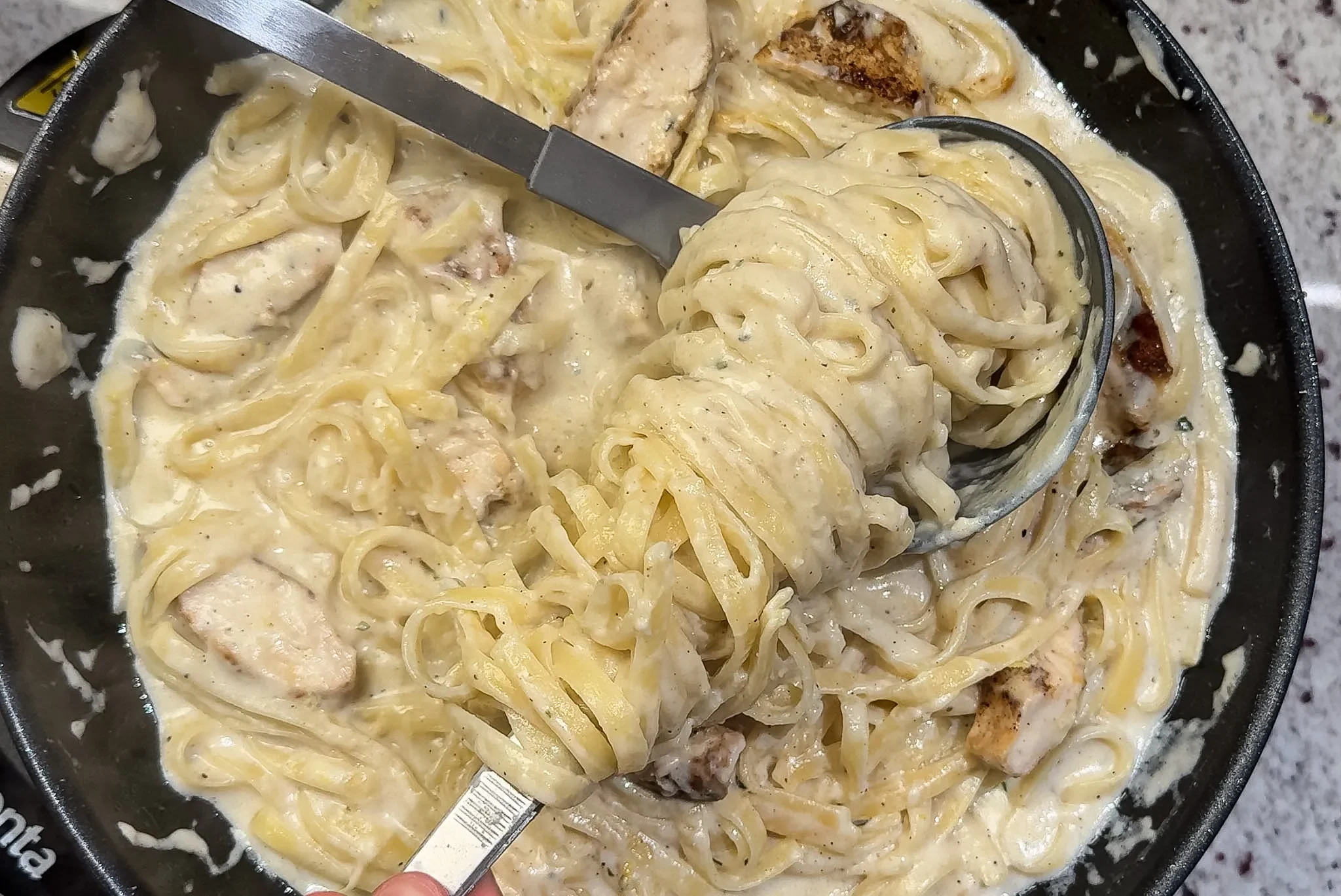
- In a pan, add in the cooked fettuccine, butter and Parmesan cheese.
- Toss in some pasta water and mix till you reach the desired silky consistency.
- Add salt if needed. Serve with some extra Parmesan and enjoy while warm!

CALL US 5555-00-444
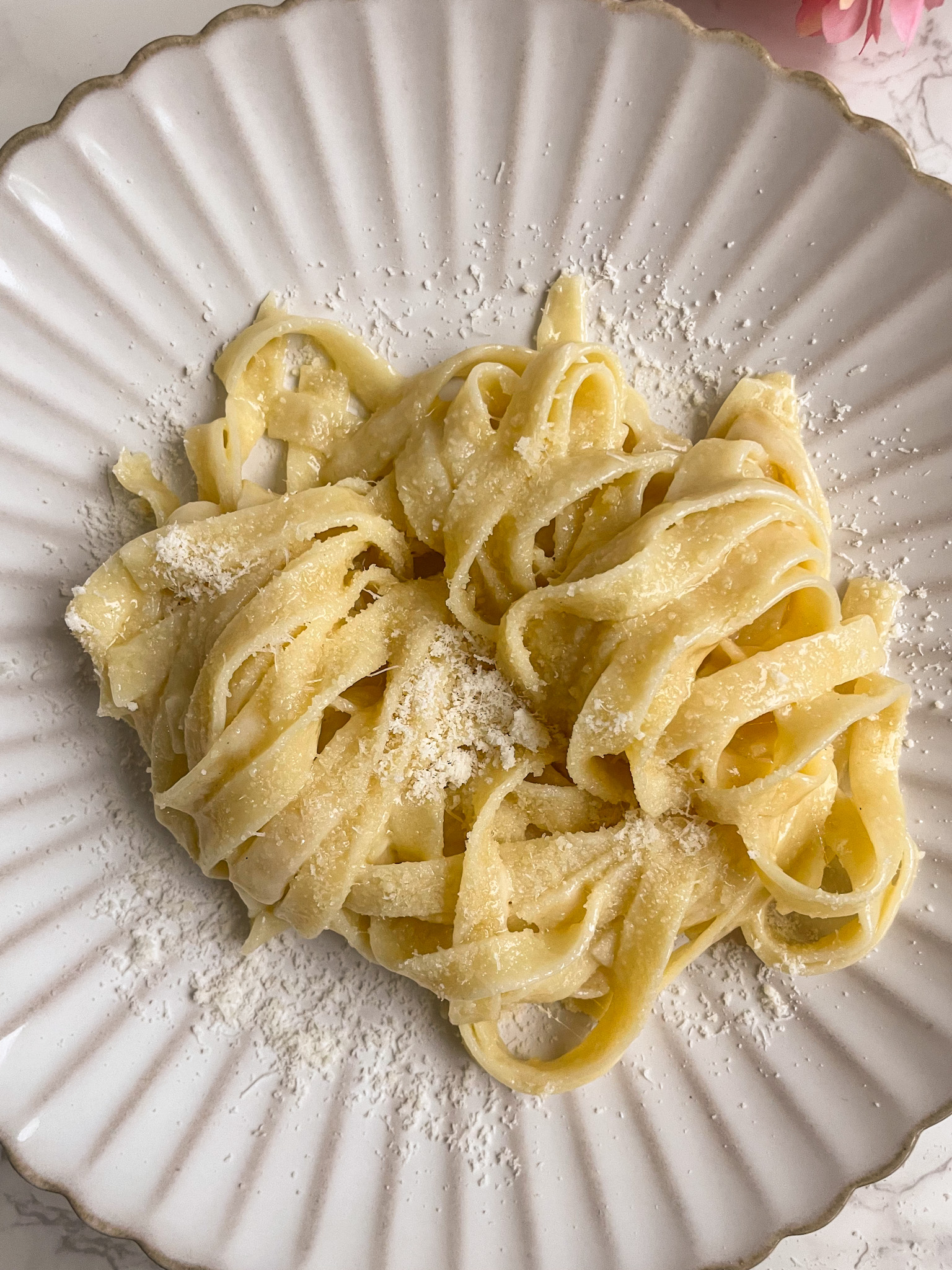
Craving restaurant-quality Italian comfort food without spending hours in the kitchen? This Fettuccine Alfredo Recipe delivers exactly that. In just 10 minutes, you can create a luxuriously creamy pasta dish that rivals any upscale Italian restaurant. This Fettuccine Alfredo Recipe uses only three essential ingredients: fettuccine pasta, butter, and freshly grated Parmesan cheese.
The beauty of this Fettuccine Alfredo Recipe lies in its simplicity. No complicated techniques or hard-to-find ingredients required. Whether you’re cooking for a busy weeknight dinner or impressing guests with minimal effort, this Fettuccine Alfredo Recipe becomes your go-to solution for indulgent, satisfying meals.
This Fettuccine Alfredo Recipe stands out because it embraces authenticity while accommodating modern schedules. Traditional Italian recipes focus on quality over quantity, and this approach shines through in every bite. Unlike heavy, cream-laden versions found in many American restaurants, this recipe stays true to the classic Italian method.
The silky sauce comes from the magical combination of starchy pasta water, melted butter, and freshly grated Parmesan cheese. No heavy cream necessary. The pasta water contains starches that emulsify with the butter and cheese, creating that signature velvety coating. This technique produces a lighter yet equally satisfying dish that won’t leave you feeling overly full.
The success of any Fettuccine Alfredo Recipe depends entirely on ingredient quality. You’ll need fettuccine pasta, which provides the perfect wide, flat surface for sauce to cling to. Unsalted butter adds richness and helps create the sauce base. Freshly grated Parmesan cheese or Grana Padano melts smoothly and delivers authentic Italian flavor. Pre-grated cheese contains anti-caking agents that prevent proper melting, so always grate your own. These simple ingredients transform into something extraordinary when combined with proper technique. The beauty lies in how few components you need to create restaurant-worthy results.
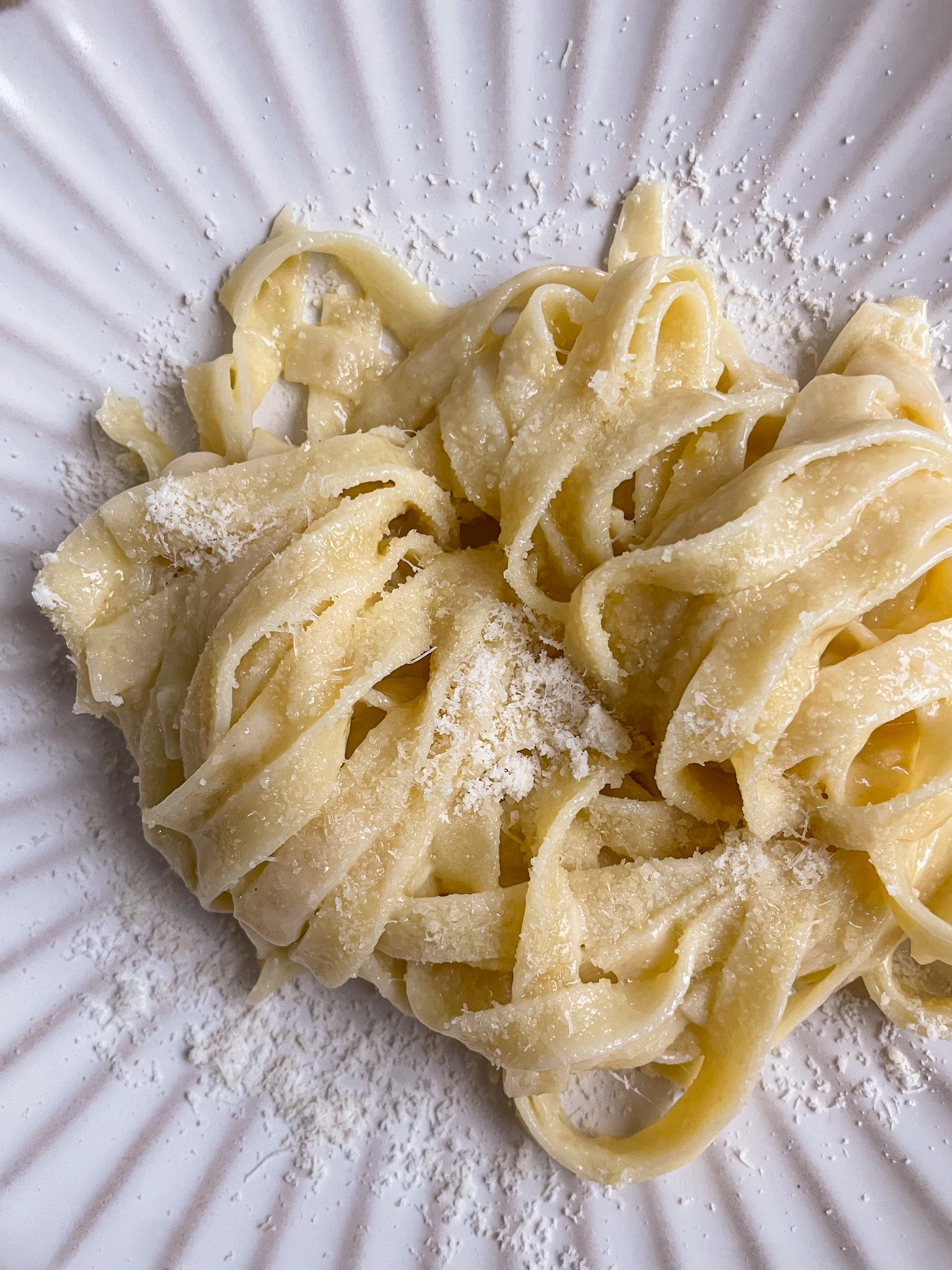
The Fettuccine Alfredo Recipe has an interesting history that many pasta lovers don’t know. This iconic dish originated in Rome in the early 1900s, created by restaurateur Alfredo di Lelio. He originally made it for his pregnant wife, who was struggling with morning sickness. The gentle, buttery pasta helped settle her stomach. The original version used only butter and Parmesan cheese, tossed with hot pasta until creamy.
When Hollywood stars Mary Pickford and Douglas Fairbanks dined at Alfredo’s restaurant during their honeymoon in 1927, they fell in love with the dish. They brought the recipe back to America, where it evolved into the cream-based version many know today.
Traditional Italian preparation differs significantly from American adaptations. Authentic Italian versions rely on butter and cheese alone, using pasta water to create creaminess. American versions typically add heavy cream, which makes the sauce richer and thicker. Both approaches have merit, but the Italian method offers a lighter, more delicate flavor profile.
The American version satisfies those who prefer ultra-rich, decadent pasta dishes. This Fettuccine Alfredo Recipe can accommodate either preference. For the traditional approach, skip the cream entirely. For American-style richness, add half a cup of heavy cream when melting the butter.
Many people wonder how this Fettuccine Alfredo Recipe achieves its signature creaminess without heavy cream. The secret lies in the starchy pasta cooking water. As pasta cooks, it releases starches into the boiling water. These starches act as a natural emulsifier, binding the butter and cheese together into a smooth sauce. When you add hot pasta to melted butter and cheese, the residual cooking water on the noodles helps everything combine. The heat from the pasta melts the cheese while the starch creates a silky texture. This technique requires proper timing and temperature control. The pasta must be hot when combined with the butter and cheese.
Quality ingredients make the difference between good and exceptional results with any Fettuccine Alfredo Recipe. Each component plays a crucial role in the final dish. Let’s explore how to select the best ingredients for optimal flavor and texture.
Fettuccine is the traditional choice for this recipe, and for good reason. These wide, flat noodles provide maximum surface area for sauce to coat. The ribbons typically measure about a quarter-inch wide, offering the ideal ratio of pasta to sauce in each bite. Fresh fettuccine cooks faster and has a more delicate texture than dried versions. However, high-quality dried pasta works beautifully and offers better shelf stability.
Look for brands made with bronze dies, which create a rougher surface texture. This roughness helps sauce adhere better to the pasta. Brands like De Cecco, Barilla, or Garofalo are reliable choices. If you can’t find fettuccine, linguine or tagliatelle make suitable substitutes.
Butter serves as the foundation of this Fettuccine Alfredo Recipe, so quality matters tremendously. Choose unsalted butter to control the salt level in your dish. European-style butter contains higher butterfat content than standard American butter. This extra fat creates a richer, more luxurious sauce. Brands like Kerrygold, Plugra, or local artisanal butters deliver superior results. The butter should be fresh, not close to its expiration date. Older butter can develop off-flavors that negatively impact the final dish. Keep your butter refrigerated until ready to use, then bring it to room temperature for easier melting.
Parmesan cheese is the heart and soul of this recipe. Authentic Parmigiano-Reggiano from Italy offers the best flavor and texture. Look for the distinctive pin-dot pattern on the rind, which verifies authenticity. Aged Parmigiano-Reggiano develops complex, nutty flavors that elevate the entire dish. Grana Padano serves as an excellent alternative with similar characteristics at a lower price point. Both cheeses have protected designation of origin status, guaranteeing quality and authenticity. Never use pre-grated cheese from a container. These products contain cellulose to prevent clumping, which interferes with melting. They also lack the fresh, vibrant flavor of freshly grated cheese. Purchase a wedge and grate it yourself just before cooking.
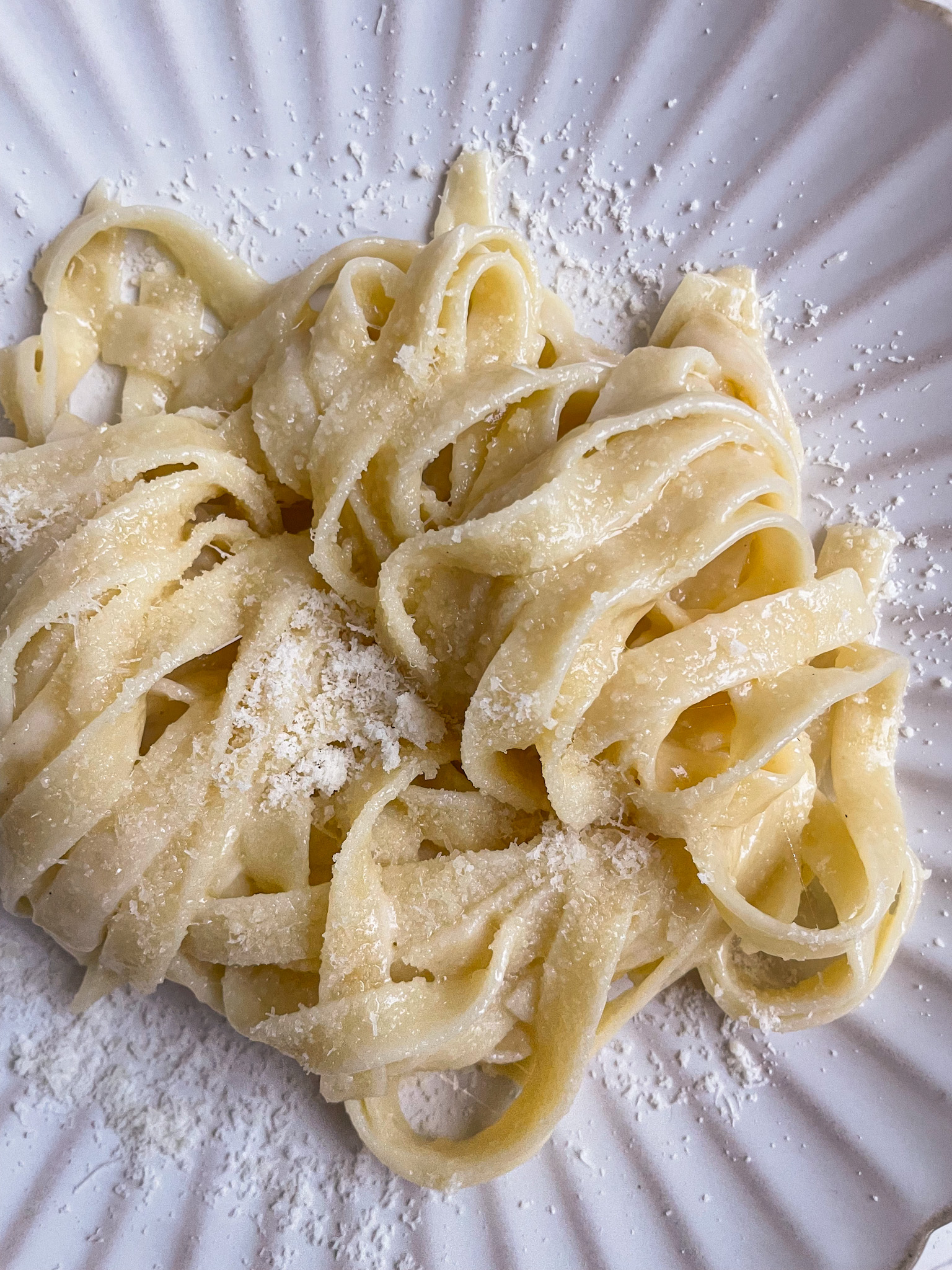
Creating this Fettuccine Alfredo Recipe requires attention to timing and technique. Follow these detailed steps for foolproof results every time.
Start by bringing a large pot of water to a rolling boil. You’ll need at least four quarts of water for one pound of pasta. Salt the water generously once it reaches a boil. The water should taste like the sea. This is your only opportunity to season the pasta itself. While the water heats, grate your Parmesan cheese. You’ll need about one and a half cups of freshly grated cheese.
Set the cheese aside at room temperature. Cut your butter into tablespoon-sized pieces so it melts quickly and evenly. Have a large serving bowl or skillet ready for combining everything. Some cooks prefer warming the serving bowl with hot water, then drying it before use. This helps maintain temperature when combining ingredients.
Add the fettuccine to the boiling salted water. Stir immediately to prevent sticking. Fresh pasta cooks in just two to three minutes, while dried pasta needs eight to ten minutes. Check the package directions, but always taste-test a minute or two before the recommended time. You want the pasta al dente, which means it should have a slight firmness when bitten. The pasta will continue cooking slightly when combined with the hot sauce. Before draining, scoop out at least one cup of pasta cooking water. This starchy liquid is essential for creating the creamy sauce. Set it aside where you can easily access it. Drain the pasta in a colander, but don’t rinse it. The residual starch on the pasta helps the sauce adhere.
While the pasta drains, work quickly to create the sauce. Add the butter pieces to your large serving bowl or return the drained pasta pot to low heat. Let the butter melt completely. If using a serving bowl, the residual heat from the pasta water should be sufficient. If the butter doesn’t melt, briefly place the bowl over the still-hot pasta pot. Add the drained pasta to the melted butter.
Toss thoroughly to coat every strand. The pasta should glisten with butter. Now add the grated Parmesan cheese, working in batches. Add about a third of the cheese, toss vigorously, then repeat. The heat from the pasta melts the cheese while the tossing action distributes it evenly. If the sauce seems too thick or the cheese isn’t melting smoothly, add pasta water a few tablespoons at a time. The sauce should coat the pasta in a silky, flowing layer.
Continue tossing and adding pasta water until you achieve the perfect consistency. The sauce should be creamy and coat the pasta without pooling at the bottom of the bowl. This process takes about two to three minutes of constant tossing. The movement helps emulsify the butter, cheese, and pasta water into a cohesive sauce. Season with freshly ground black pepper and a small pinch of salt if needed. Remember, Parmesan is already quite salty. Serve immediately in warm bowls. This Fettuccine Alfredo Recipe doesn’t wait well, as the sauce begins to thicken and separate as it cools. Garnish with additional grated Parmesan and fresh black pepper if desired.
These expert techniques elevate your Fettuccine Alfredo Recipe from good to exceptional. Small details make significant differences in the final outcome.
Temperature management is crucial for this dish. Every component should be hot when combined. Cold ingredients cause the butter to solidify and the cheese to clump instead of melting smoothly. Warm your serving bowl by filling it with hot water while the pasta cooks. Drain and dry it just before use. If your kitchen is cold, consider warming the serving plates in a low oven.
The pasta must go directly from the boiling water to the butter without cooling. Work quickly and confidently during assembly. If you notice the sauce cooling and becoming grainy, add a splash of hot pasta water and toss vigorously over low heat. The warmth and starch help re-emulsify everything into a smooth sauce.
Proper tossing technique separates mediocre pasta from restaurant-quality dishes. Use two large spoons, forks, or tongs to lift and turn the pasta. The motion should come from your wrists, not your arms. Lift the pasta high in the bowl, allowing air to incorporate into the sauce. This creates a lighter, fluffier texture. Continue tossing for at least two full minutes after adding all the cheese.
This extended tossing develops the sauce’s creamy consistency. Professional chefs often use a technique called “mantecatura,” which involves vigorous tossing while adding pasta water incrementally. This creates a velvety sauce that perfectly coats each strand.
This Fettuccine Alfredo Recipe demands immediate service. Unlike tomato-based sauces that can sit, cream and butter sauces begin separating as they cool. Have your family or guests seated at the table before you drain the pasta. Complete all the sauce preparation and tossing, then serve directly from the cooking vessel to individual plates. If you must hold the pasta briefly, keep it in a warm bowl set over the still-hot pasta pot. Cover with a clean kitchen towel to retain heat. However, even this method only works for five to ten minutes maximum. Plan your timing so the pasta finishes just as you’re ready to eat.
Even experienced cooks can stumble with this seemingly simple Fettuccine Alfredo Recipe. Understanding potential pitfalls helps you avoid them.
This mistake tops the list of Alfredo failures. Pre-grated Parmesan contains cellulose powder, which prevents the cheese from melting into a smooth sauce. Instead, it creates a grainy, separated texture that never fully incorporates. The dried-out cheese also lacks the fresh, complex flavors of a wedge. Invest in a wedge of real Parmigiano-Reggiano or Grana Padano. A microplane grater makes quick work of grating. The fresh cheese melts beautifully and delivers authentic Italian flavor. This single change dramatically improves your results. The difference is immediately noticeable in both texture and taste.
Mushy Fettuccine Alfredo Recipe ruins even the best sauce. Remember, the Fettuccine Alfredo Recipe continues cooking slightly when tossed with the hot butter and cheese. Start testing your Fettuccine Alfredo Recipe two minutes before the package directions suggest. Bite into a strand to check for doneness. It should have a slight firmness in the center. This al dente texture provides the ideal contrast to the creamy sauce. Overcooked Fettuccine Alfredo Recipe becomes waterlogged and doesn’t hold sauce well. It also creates an unpleasant mushy texture in the final dish. Set a timer and stay near the stove during the final cooking minutes.
Adding cold butter or cheese to hot Fettuccine Alfredo Recipe creates an unpleasant grainy texture. The sudden temperature change causes the fats to seize rather than melt smoothly. Remove your butter and cheese from the refrigerator about thirty minutes before cooking. Room-temperature ingredients melt evenly and incorporate beautifully into the sauce. If you forget this step, cut the butter into very small pieces so it melts faster. Grate the cheese extra fine so it melts more readily. However, proper planning and room-temperature ingredients always yield superior results.
Some cooks discard all the Fettuccine Alfredo Recipe cooking water, then struggle to create a creamy sauce. This starchy liquid is essential for proper sauce consistency. The starches act as an emulsifier, binding the butter and cheese together. They also help thin the sauce to the perfect coating consistency. Always reserve at least one cup of pasta water before draining. You might not use it all, but having it available prevents disaster. If your sauce becomes too thick or appears separated, pasta water saves the day. Add it gradually while tossing until you achieve the desired texture.
Once you master the basic Fettuccine Alfredo Recipe, these variations add exciting new dimensions to the classic dish.
Transform this side dish into a complete meal by adding protein. Grilled chicken is the most popular addition, cut into strips or cubes. Season chicken breasts with salt, pepper, and Italian herbs, then grill or pan-sear until cooked through. Slice and arrange on top of the Fettuccine Alfredo Recipe or toss it in with the sauce. Shrimp works beautifully, adding sweet, briny flavors.
Sauté peeled shrimp with garlic and a pinch of red pepper flakes, then fold into the finished Fettuccine Alfredo Recipe. Pan-seared scallops offer an elegant upgrade for special occasions. Their sweet, delicate flavor complements the rich sauce perfectly. For a budget-friendly option, crispy pancetta or bacon adds smoky, salty notes. Cook until crispy, drain on paper towels, then crumble over the finished dish.
Adding vegetables increases nutritional value without compromising the creamy comfort. Steamed broccoli florets are a classic pairing with Alfredo sauce. Their slight bitterness balances the rich cheese and butter. Blanch asparagus spears and cut into bite-sized pieces for a springtime variation. Roasted cherry tomatoes burst with sweet-tart flavor that cuts through the richness.
Sautéed mushrooms add earthy depth and meaty texture. Baby spinach wilts beautifully when tossed with the hot Fettuccine Alfredo Recipe. Roasted red peppers provide sweet, smoky notes and vibrant color. Add vegetables during the final tossing stage so they warm through without overcooking.
Small additions create big flavor changes in this Fettuccine Alfredo Recipe. Fresh garlic sautéed in the butter before adding Fettuccine Alfredo Recipe introduces aromatic depth. Use two to three cloves, minced or pressed. A pinch of nutmeg enhances the cheese flavor with warm, slightly sweet notes. Freshly grated nutmeg works best, as pre-ground loses potency quickly.
Lemon zest brightens the rich sauce with citrus freshness. Add it sparingly, as too much overwhelms the delicate flavors. Fresh herbs transform the dish completely. Basil adds sweet, peppery notes. Parsley provides fresh, clean flavors. Thyme contributes earthy, subtle complexity. Chop herbs finely and fold them in just before serving.
While this Fettuccine Alfredo Recipe tastes best fresh, proper storage techniques preserve quality for leftovers.
Transfer cooled pasta to an airtight container within two hours of cooking. Refrigerate for up to three days maximum. The sauce will thicken considerably as it cools and the Fettuccine Alfredo Recipe absorbs liquid. This is normal and expected. Don’t add extra sauce before storing, as this makes reheating more difficult. Store in portion-sized containers for easier reheating. Label with the date so you track freshness. Never leave this pasta at room temperature for extended periods. The dairy-based sauce creates ideal conditions for bacterial growth. When in doubt, throw it out.
Reheating cream-based Fettuccine Alfredo Recipe requires gentle heat and added liquid. The microwave works but often creates uneven heating and rubbery pasta. If using the microwave, add a tablespoon or two of milk or cream to the pasta first. Cover the container and heat in thirty-second intervals, stirring between each. The stovetop method yields better results.
Place the pasta in a skillet over medium-low heat. Add a few tablespoons of milk, cream, or even pasta water. Stir constantly until the pasta heats through and the sauce loosens. Don’t rush this process with high heat, which causes separation. The oven method works for larger portions. Place pasta in an oven-safe dish, add liquid, cover with foil, and heat at three hundred degrees for fifteen to twenty minutes.
Cream-based Fettuccine Alfredo Recipe dishes don’t freeze particularly well. The sauce often separates when thawed, creating a grainy, watery texture. If you must freeze this Fettuccine Alfredo Recipe, do so within twenty-four hours of cooking. Portion into freezer-safe containers, leaving half an inch of headspace for expansion. Freeze for up to one month maximum. Thaw overnight in the refrigerator, never at room temperature. Reheat using the stovetop method with added cream or milk. Expect texture changes regardless of your careful handling. For best results, make only what you plan to eat fresh.
While traditional Italian versions skip heavy cream entirely, you can add it for a richer sauce. Add half a cup of cream when melting the butter. This creates a thicker, more decadent sauce similar to American restaurant versions. The cream reduces the reliance on pasta water for achieving the right consistency. However, it also makes the dish heavier and more filling. Try the traditional method first, then experiment with cream if you prefer ultra-rich pasta. Many people find the traditional version lighter and more elegant.
Sauce separation typically occurs due to temperature issues or incorrect cheese. If ingredients are too cold, the fats solidify instead of emulsifying smoothly. Ensure all components are hot when combined. Using pre-grated cheese causes separation because anti-caking agents prevent proper melting. Always grate fresh cheese from a wedge. Overheating also causes separation, as the proteins in cheese break down under excessive heat. Work over low to medium-low heat throughout the process. If separation occurs, add hot pasta water a tablespoon at a time while tossing vigorously. The starch helps re-emulsify the sauce.
This Fettuccine Alfredo Recipe doesn’t hold well due to the nature of the sauce. The butter and cheese begin separating as the dish cools. The pasta also absorbs the sauce, becoming dry and sticky. For best results, prepare this dish just before serving. If you must work ahead, cook and drain the pasta, toss with a small amount of olive oil, and refrigerate. Grate your cheese and portion your butter. When ready to serve, reheat the pasta briefly in boiling water, then proceed with the sauce preparation. This method compromises quality somewhat but works in a pinch.
Several pasta shapes work well with this sauce. Linguine offers similar width and surface area to fettuccine. Tagliatelle is slightly wider but works beautifully. Pappardelle creates an even more luxurious presentation with its extra-wide ribbons. Spaghetti works in a pinch, though the thinner strands don’t hold sauce quite as well. Even short pasta like penne or rigatoni can work, as their ridges catch the creamy sauce. The key is choosing pasta with enough surface area to hold the sauce. Avoid tiny shapes like orzo or ditalini, which don’t provide enough substrate for the creamy coating.
Perfect Alfredo sauce should coat the pasta in a silky layer without pooling at the bottom of the bowl. When you lift pasta with tongs, it should glisten and drip slowly back into the bowl. The sauce should look creamy and slightly flowing, not thick and clumpy. If you can see dry pasta between the sauce, it’s too thick. Add more pasta water a tablespoon at a time. If the sauce pools at the bottom, it’s too thin. Continue tossing to help it thicken, or add a bit more grated cheese. The sauce continues to thicken as it cools, so aim for slightly looser than your ideal final consistency.
This Fettuccine Alfredo Recipe proves that simple ingredients and proper technique create extraordinary results. You don’t need complicated skills or expensive equipment to master this Italian classic. Just quality ingredients, attention to timing, and a bit of practice. The beauty of this dish lies in its elegant simplicity. Three ingredients transform into something that tastes like you spent hours in the kitchen. Once you experience homemade Alfredo sauce, jarred versions simply can’t compare. The fresh, vibrant flavors and silky texture spoil you forever.
This recipe serves as a foundation for countless variations, from protein additions to vegetable enhancements. Master the basic technique, then let your creativity guide experimentation. Whether you’re feeding family on a busy Tuesday or entertaining friends on Saturday, this Fettuccine Alfredo Recipe delivers impressive results every time.
The ten-minute preparation means you spend less time cooking and more time enjoying your meal. Gather your ingredients, heat that water, and prepare to create restaurant-quality pasta in your own kitchen. Your taste buds will thank you for choosing homemade over takeout. This Fettuccine Alfredo Recipe might just become your new favorite go-to comfort food.
Watch the recipe video for more clarity.
See our similar recipes:
People also like our these recipes:
If you've given this recipe a try and it won you over, please share your thoughts by leaving a rating and comment below! If you have any questions about this recipe, don't hesitate to ask – I'm here to help and will respond promptly.