The Magic of Spaghetti Cacio e Pepe
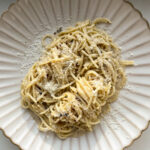
We absolutely love this Spaghetti Cacio e Pepe recipe. With just four simple ingredients—pasta, Pecorino Romano cheese, black pepper, and a bit of pasta water—it’s amazing how much flavor you get in every bite. Not only is it quick and easy, but it’s also perfect for those busy weeknights when you want something comforting and satisfying without a lot of fuss. This dish brings an indulgent, creamy texture and a punch of peppery flavor that’s so deeply satisfying, it feels like a little taste of Italy at home.
Whether it’s a last-minute meal or a cozy dinner, Spaghetti Cacio e Pepe always hits the spot. The beauty of this Roman classic lies in its simplicity. There are no complicated techniques or hard-to-find ingredients. Just pure, delicious flavor that comes from understanding how these few components work together. The creamy sauce forms without any cream, the richness develops from properly melted cheese, and the heat comes from freshly cracked pepper toasted to perfection.
What makes Spaghetti Cacio e Pepe truly special is how it transforms humble ingredients into something extraordinary. The starchy pasta water emulsifies with the finely grated cheese to create a silky coating that clings to every strand of pasta. Each bite delivers the perfect balance of sharp, salty Pecorino and warm, aromatic black pepper. This dish proves that great cooking doesn’t require a long ingredient list or hours in the kitchen.
Why This Recipe is Special
Traditional Spaghetti Cacio e Pepe represents centuries of Italian culinary wisdom. Romans have been making this dish for generations, perfecting the technique of creating a creamy sauce without any dairy beyond cheese. The recipe showcases the Italian philosophy of cooking with exceptional ingredients prepared simply. When you use high-quality Pecorino Romano and freshly cracked black pepper, the results speak for themselves.
This pasta dish fits perfectly into modern lifestyles. You can prepare Spaghetti Cacio e Pepe in about twenty minutes from start to finish. The ingredient list is so short that you likely have everything you need already in your pantry. It’s budget-friendly, impressive enough for guests, and comforting enough for a quiet night at home. The versatility makes it a recipe you’ll return to again and again.
Key Ingredients Overview
The magic of Spaghetti Cacio e Pepe relies entirely on ingredient quality. Since there are only three main components, each one matters significantly. Premium Pecorino Romano cheese brings the sharp, salty flavor that defines the dish. Whole black peppercorns cracked fresh deliver aromatic oils and heat that pre-ground pepper simply cannot match. Good quality dried spaghetti provides the perfect texture and releases the starch needed for sauce creation.
Understanding these ingredients helps you make better choices at the store. Not all Pecorino Romano is created equal, and the pasta water technique requires pasta that releases adequate starch. Taking time to select the right components ensures your Spaghetti Cacio e Pepe turns out perfectly creamy and flavorful every single time you make it.
Understanding Spaghetti Cacio e Pepe
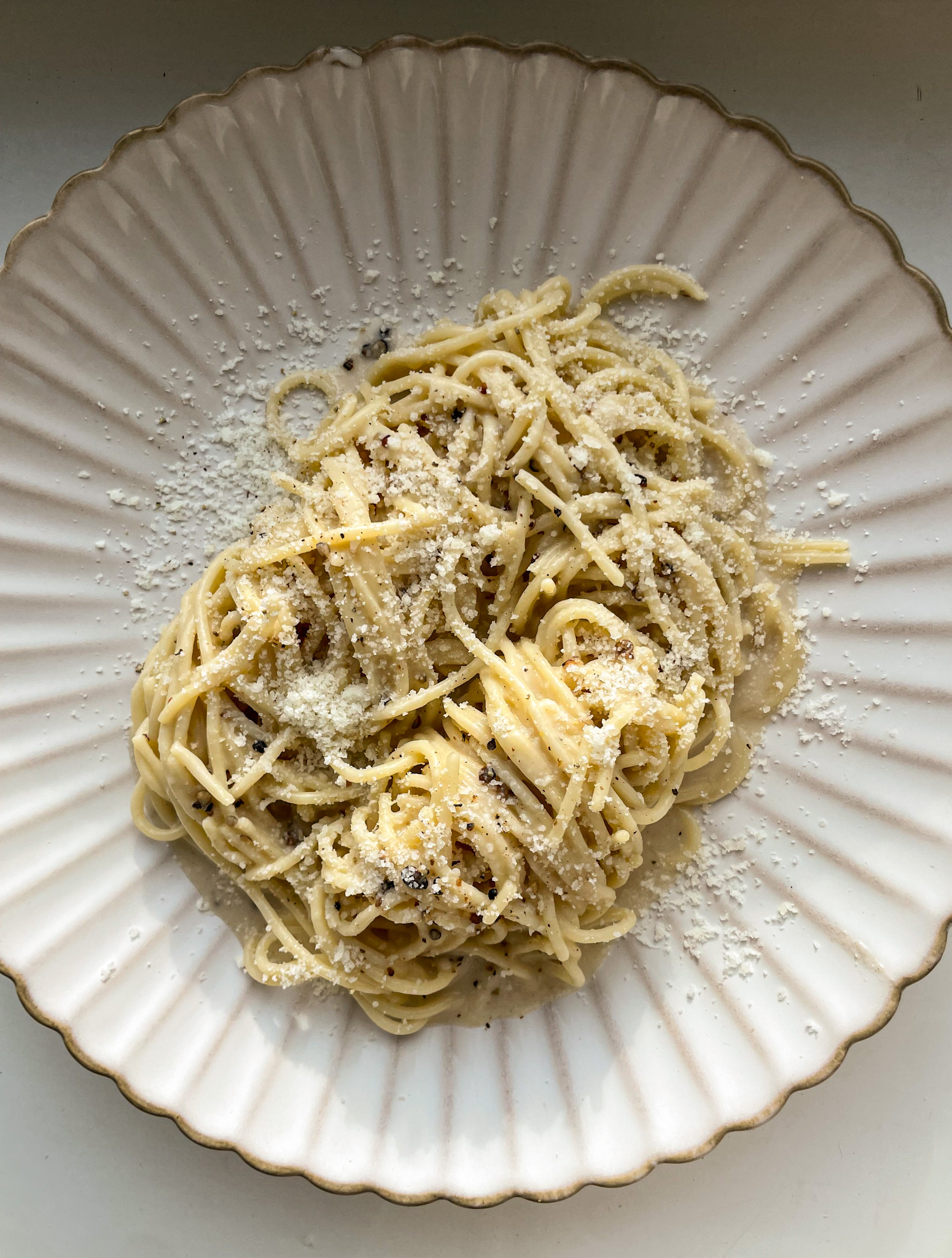
Spaghetti Cacio e Pepe is a classic Italian pasta dish that originated in Rome. The name translates to “cheese and pepper,” which are the star ingredients alongside pasta. Made with just Pecorino Romano cheese, freshly cracked black pepper, pasta, and a bit of reserved starchy pasta water, this dish is celebrated for its simplicity and bold flavors. The hot pasta water combines with the cheese to create a creamy, peppery sauce that clings to the noodles, giving a rich, indulgent flavor with only a few ingredients.
It’s a beloved staple in Italian cuisine for both its ease and taste. Roman shepherds traditionally prepared this dish because the ingredients were easy to carry and didn’t spoil quickly. The cheese aged well, peppercorns kept indefinitely, and dried pasta was lightweight and portable. This practical origin story adds to the charm of Spaghetti Cacio e Pepe, showing how necessity can create culinary excellence.
The Roman Tradition
Rome claims Spaghetti Cacio e Pepe as one of its four classic pasta dishes, alongside carbonara, amatriciana, and gricia. These recipes share similar ingredients but showcase them in different combinations. Understanding this context helps appreciate why Romans are so particular about preparation methods. The traditional approach has been refined over centuries to achieve the perfect balance of flavors and textures.
When you make authentic Spaghetti Cacio e Pepe, you’re connecting with this rich culinary heritage. The technique of creating a creamy sauce without cream represents Italian cooking at its finest. It requires understanding how heat, starch, and cheese interact to form an emulsion. This knowledge transforms simple ingredients into something truly special.
Why It Works
The science behind Spaghetti Cacio e Pepe is fascinating. The starchy pasta water acts as an emulsifier, helping fat from the cheese combine with water to create a smooth sauce. When you toss hot pasta with cheese and reserved cooking liquid, the residual heat melts the cheese while the starch helps everything bind together. The constant motion of tossing or stirring prevents the cheese from clumping and ensures even distribution.
Temperature control is crucial for success. If the pan is too hot, the cheese will seize and become grainy instead of creamy. If it’s too cool, the sauce won’t come together properly. Finding that sweet spot where the cheese melts smoothly without breaking requires practice, but once you master it, you’ll make perfect Spaghetti Cacio e Pepe every time.
Choosing the Right Ingredients
Ingredient selection can make or break your Spaghetti Cacio e Pepe. Since the recipe relies on so few components, each one must be top quality. Cutting corners on cheese or using pre-ground pepper will result in a disappointing dish. Investing in proper ingredients pays off tremendously in flavor and texture.
Shopping for these items becomes easier when you know what to look for. Most grocery stores carry everything you need, though you might need to visit the specialty cheese section for authentic Pecorino Romano. Taking time to source good ingredients shows respect for the recipe and ensures delicious results.
Pecorino Romano Selection
Authentic Pecorino Romano cheese is essential for traditional Spaghetti Cacio e Pepe. This sheep’s milk cheese from the Lazio region brings a sharp, salty, slightly tangy flavor that defines the dish. Look for wedges labeled “Pecorino Romano DOP” which indicates protected designation of origin status. The cheese should be pale ivory to straw yellow in color and firm enough to grate easily.
Avoid pre-grated cheese for this recipe. Pre-shredded varieties contain anti-caking agents that prevent proper melting and sauce formation. Buy a wedge and grate it yourself right before cooking. The fresh cheese melts more smoothly and delivers superior flavor. Store any leftover Pecorino wrapped tightly in the refrigerator where it will keep for several weeks.
Some recipes suggest mixing Pecorino with Parmesan to mellow the sharpness. While this creates a milder version, it strays from authentic Spaghetti Cacio e Pepe. If you find Pecorino too assertive on its own, try using slightly less rather than diluting it with another cheese. The bold flavor is part of what makes this dish special.
Black Pepper Quality
Freshly cracked black pepper transforms Spaghetti Cacio e Pepe from ordinary to exceptional. Whole peppercorns contain volatile oils that dissipate quickly once ground. Pre-ground pepper sits on shelves losing potency, while whole peppercorns stay fresh for years. Investing in a quality pepper mill or grinder makes a noticeable difference in your cooking.
For this dish, crack the pepper coarsely rather than grinding it fine. The larger pieces provide bursts of peppery heat and pleasant texture. Some recipes call for toasting the cracked pepper in a dry pan before adding it to the pasta. This step intensifies the flavor and adds aromatic complexity that elevates your Spaghetti Cacio e Pepe to restaurant quality.
Tellicherry or Malabar peppercorns work beautifully in this application. These varieties offer complex flavor with fruity, woody notes that complement the sharp cheese. While regular black peppercorns certainly work, premium varieties add extra dimension to the finished dish.
Pasta Selection
Quality dried spaghetti forms the foundation of Spaghetti Cacio e Pepe. Italian or Italian-style brands made from 100% durum wheat semolina work best. These pastas have rough surfaces that help sauce cling and release enough starch to create proper emulsification. Bronze-die cut pasta provides even better texture and sauce adhesion than Teflon-die varieties.
The pasta shape matters less than you might think. While spaghetti is traditional, tonnarelli, bucatini, or even rigatoni all work well with the cheese and pepper sauce. The key is choosing a shape that will hold the creamy coating in its grooves or hollow centers. Whatever shape you select, make sure it’s good quality pasta that will cook evenly and maintain proper texture.
Avoid fresh pasta for Spaghetti Cacio e Pepe. Fresh varieties don’t release enough starch to create the sauce properly. Dried pasta is actually preferable for this specific dish because of the starch content and the way it interacts with the cooking water.
Step-by-Step Instructions
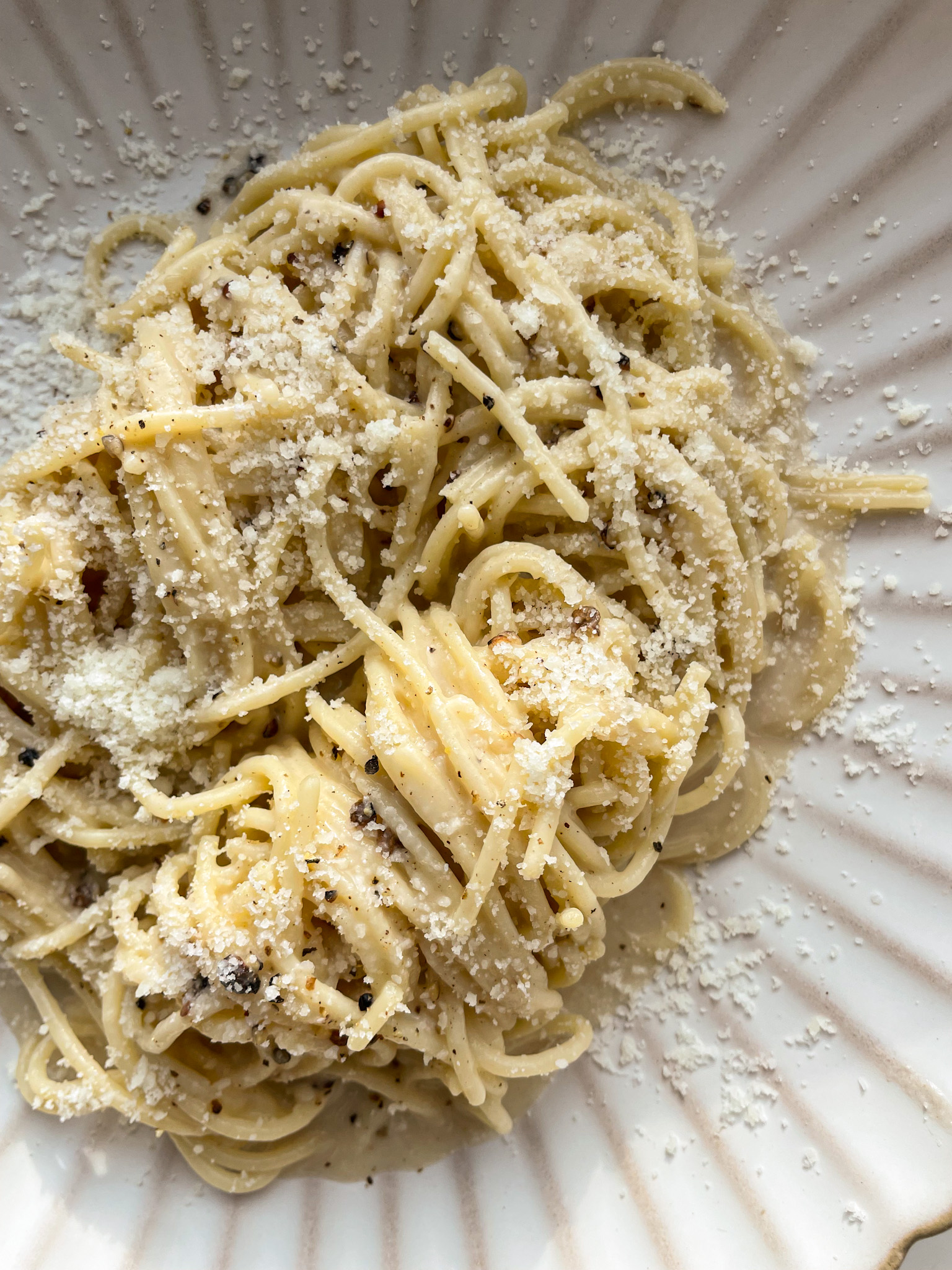
Making perfect Spaghetti Cacio e Pepe requires attention to timing and technique. The actual cooking happens quickly, so having everything ready before you start is essential. Mise en place—having all ingredients prepared and measured—prevents scrambling when the pasta is ready. This preparation ensures smooth execution and consistent results.
Follow each step carefully the first few times you make this dish. Once you understand how the sauce comes together, you’ll develop a feel for the proper consistency and can adjust as needed. Practice makes perfect with Spaghetti Cacio e Pepe, and even imperfect attempts taste delicious.
Preparation
Start by bringing a large pot of water to a rolling boil. Use at least four quarts of water for one pound of pasta. Salt the water generously—it should taste like the sea. This is your only opportunity to season the pasta itself, so don’t be shy with the salt. The salted water also contributes to the overall flavor of the finished Spaghetti Cacio e Pepe.
While the water heats, grate your Pecorino Romano cheese very finely. Use the smallest holes on your box grater or a Microplane for the finest texture. You’ll need about two cups of grated cheese for one pound of pasta. Keep the grated cheese at room temperature so it melts more readily when combined with the hot pasta.
Crack your black peppercorns coarsely using a pepper mill set to a coarse grind, or crush them in a mortar and pestle. You’ll want about two tablespoons of cracked pepper. Some people prefer to toast the pepper in a dry skillet over medium heat for one to two minutes until fragrant. This optional step adds depth to your Spaghetti Cacio e Pepe.
Cooking Process
Add the spaghetti to the boiling water and cook according to package directions minus one minute. You want the pasta al dente with a slight bite in the center. About two minutes before the pasta finishes cooking, scoop out two cups of the starchy pasta water. This liquid gold is crucial for creating the creamy sauce that makes Spaghetti Cacio e Pepe so special.
While the pasta cooks, heat a large skillet over medium heat. Add the cracked black pepper and toast it for about one minute until fragrant. The heat releases the essential oils and intensifies the peppery flavor. If you prefer a milder dish, you can skip the toasting step, though it does add wonderful aromatic complexity to your Spaghetti Cacio e Pepe.
When the pasta reaches al dente texture, use tongs to transfer it directly from the pot to the skillet with the pepper. Don’t drain the pasta in a colander—you want some of that precious pasta water clinging to the noodles. The residual water helps start the sauce formation process.
Final Assembly
Remove the skillet from heat completely. This is a critical step that many people miss. If the pan stays on the burner, the cheese will likely seize and become grainy instead of creamy. Off the heat, add about one cup of the reserved pasta water to the pan with the spaghetti and pepper. Toss everything together vigorously for about thirty seconds.
Add the grated Pecorino Romano in three additions, tossing constantly between each addition. The continuous motion and gradual cheese addition help create a smooth, creamy sauce. If the mixture looks dry or the cheese isn’t melting properly, add more pasta water a few tablespoons at a time. The consistency should be creamy and coat the pasta strands evenly.
Keep tossing the Spaghetti Cacio e Pepe until the sauce reaches the perfect consistency—creamy enough to coat the pasta but not so loose that it pools in the bottom of the pan. The whole assembly process should take two to three minutes. Work quickly to prevent the pasta from cooling too much, which can cause the sauce to thicken excessively.
Professional Tips for Perfect Results
Mastering Spaghetti Cacio e Pepe requires understanding a few key techniques that professional chefs use. These tips come from years of practice and countless batches of pasta. Implementing them will dramatically improve your results and help you avoid common pitfalls that can ruin the dish.
Even experienced cooks sometimes struggle with this deceptively simple recipe. The difference between good and great Spaghetti Cacio e Pepe often comes down to small details in execution. Pay attention to these professional secrets and your pasta will rival anything served in Roman trattorias.
Temperature Management
Use freshly cracked pepper for the most aromatic and flavorful results. Freshly cracked black pepper releases essential oils that make the dish much more flavorful than pre-ground pepper. Toast it in a hot pan for a minute to bring out its full, peppery warmth. This simple step transforms the pepper from a background note to a star ingredient in your Spaghetti Cacio e Pepe.
Choose Pecorino Romano for the best authentic flavor. Pecorino Romano cheese gives the best flavor for this dish—it’s sharp, salty, and designed for melting. Grate it finely so it melts easily without clumping. Parmesan can be used as a backup but won’t bring the same traditional flavor profile that makes Spaghetti Cacio e Pepe distinctive.
The starchy water from cooking the pasta is what helps create a smooth, creamy sauce. Before draining the pasta, scoop out at least a cup of this water—it’s liquid gold for your Spaghetti Cacio e Pepe. Add it gradually until you reach the right consistency. Too much water makes the sauce thin and watery, while too little results in a dry, clumpy mess.
Technique Refinement
Keep the pasta slightly undercooked, or al dente, so it can absorb the sauce and continue cooking when mixed. This will give you a perfect texture and prevent mushy noodles in your Spaghetti Cacio e Pepe. The pasta will finish cooking in the residual heat while you toss it with the cheese and pepper, reaching the ideal consistency.
After adding the cheese and pasta water, toss the pasta quickly to prevent clumping. Stirring or tossing helps the cheese emulsify with the water, creating a creamy, clingy sauce that defines perfect Spaghetti Cacio e Pepe. Use tongs or two wooden spoons to lift and turn the pasta repeatedly, ensuring every strand gets evenly coated.
Remove the pan from heat before adding the cheese. High heat can cause the cheese to seize up and clump instead of melting smoothly into a sauce. A warm but not hot pan will help the cheese melt smoothly and combine properly with the starchy water. This temperature control is perhaps the most important factor in successful Spaghetti Cacio e Pepe.
Avoiding Common Errors
Traditional Spaghetti Cacio e Pepe doesn’t need olive oil or butter. The starchy water and cheese provide enough creaminess without additional fats. Adding oils can separate the sauce and affect the texture, creating a greasy rather than creamy coating. Trust the traditional method and resist the temptation to enrich the dish further.
Spaghetti Cacio e Pepe is best enjoyed fresh and hot. The sauce can thicken as it cools, so serve it immediately after mixing to enjoy the perfect creamy texture. If you must hold the pasta for a few minutes, reserve extra pasta water to loosen the sauce before serving. The dish doesn’t reheat well, so only make as much as you plan to eat immediately.
Common Mistakes to Avoid
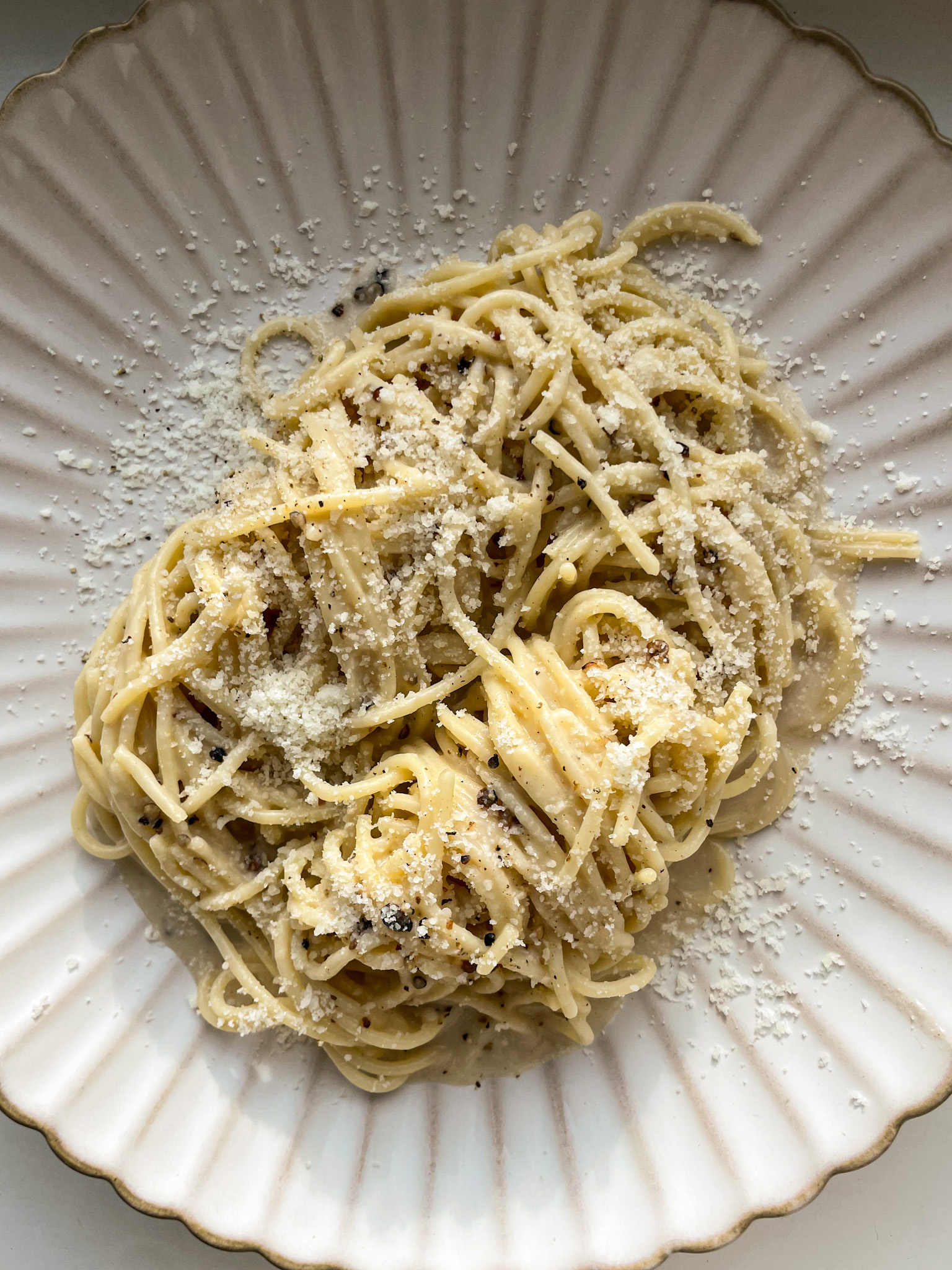
Even simple recipes like Spaghetti Cacio e Pepe can go wrong if you’re not careful. Understanding common mistakes helps you avoid them and achieve consistent success. Many of these errors stem from not understanding the basic chemistry of how cheese, water, and heat interact to form an emulsion.
Learning from these mistakes saves frustration and wasted ingredients. Most problems with Spaghetti Cacio e Pepe are easy to prevent once you know what to watch for. Take your time and follow proper technique rather than rushing through the process.
Grainy or Clumpy Cheese
The most common problem with Spaghetti Cacio e Pepe is cheese that clumps instead of melting into a smooth sauce. This happens when you add cheese to pasta that’s too hot or when the pan is still on direct heat. The proteins in the cheese seize when exposed to high temperatures, forming grainy lumps instead of a silky coating.
To prevent this issue, always remove the pan from heat before adding cheese to your Spaghetti Cacio e Pepe. Let the pasta cool for just thirty seconds after removing from heat. Add the cheese gradually while tossing constantly, which helps it melt evenly. If clumping does occur, adding more pasta water and vigorous tossing can sometimes save the sauce.
Using finely grated cheese also prevents clumping. Large shreds or chunks don’t melt as quickly or evenly as finely grated cheese. Take the extra time to grate your Pecorino Romano properly—it makes a significant difference in the final texture of your Spaghetti Cacio e Pepe.
Watery or Broken Sauce
A watery sauce that doesn’t cling to the pasta usually results from adding too much pasta water or not using starchy enough water. The sauce for Spaghetti Cacio e Pepe should be creamy and coat the pasta strands, not pool at the bottom of the bowl. If your sauce is too thin, you likely added pasta water too quickly or used too much overall.
To fix a watery sauce, continue tossing the pasta off heat to help the sauce thicken through evaporation and emulsification. You can also add more grated cheese, which will absorb excess liquid and thicken the coating. The key is finding the right balance between cheese and water for your particular pasta and cooking conditions.
Conversely, if your Spaghetti Cacio e Pepe looks dry and the cheese isn’t forming a sauce, you need more pasta water. Add it gradually, just a few tablespoons at a time, while tossing constantly. The sauce will suddenly come together when you reach the right ratio of cheese to liquid.
Using Pre-Ground Pepper
Pre-ground black pepper simply cannot deliver the same flavor impact as freshly cracked peppercorns in Spaghetti Cacio e Pepe. The volatile oils that give black pepper its characteristic aroma and heat dissipate rapidly after grinding. What remains in that jar of ground pepper is a shadow of what fresh pepper offers.
The texture also matters. Pre-ground pepper turns into fine dust that dissolves into the sauce, while coarsely cracked pepper provides pleasant texture and bursts of peppery heat. These textural pops are part of the traditional eating experience of Spaghetti Cacio e Pepe and shouldn’t be sacrificed for convenience.
If you don’t own a pepper mill, you can crack peppercorns using a mortar and pestle or even the bottom of a heavy pan. Place the peppercorns on a cutting board, cover with a kitchen towel, and press down firmly with the pan bottom. This crude but effective method produces the coarse crack needed for authentic Spaghetti Cacio e Pepe.
Creative Variations to Try
While traditional Spaghetti Cacio e Pepe is perfect as written, creative variations can provide delicious alternatives. These twists maintain the spirit of the original while adding new flavors or accommodating different preferences. Each variation offers something unique while respecting the simplicity that makes this dish special.
Experimenting with variations helps you understand the recipe better. You’ll learn how different ingredients interact with the basic cheese and pepper sauce. Just remember that authentic Spaghetti Cacio e Pepe is wonderful on its own, and variations are enhancements rather than improvements.
Flavor Additions
Add a squeeze of fresh lemon juice or a bit of lemon zest to the pasta. The citrus brightens the flavor and adds a refreshing contrast to the rich, cheesy sauce of Spaghetti Cacio e Pepe. The acidity cuts through the richness and adds complexity without overwhelming the fundamental flavors. Just a teaspoon of zest or tablespoon of juice is enough.
Drizzle truffle oil or add a small amount of truffle paste to give the dish an earthy, luxurious aroma. This variation transforms Spaghetti Cacio e Pepe into an elegant special occasion dish. Use truffle products sparingly—a little goes a long way, and too much can overpower the delicate balance of cheese and pepper.
Lightly toast minced garlic in olive oil before adding the black pepper. This gives the pasta a hint of garlicky flavor, adding another layer of taste without overpowering the simplicity. One or two cloves of garlic provide enough flavor without turning your Spaghetti Cacio e Pepe into a completely different dish.
Texture Enhancements
For a creamier texture, add a splash of heavy cream or mascarpone to your Spaghetti Cacio e Pepe. This makes the sauce extra smooth and velvety, ideal for a comfort food twist. While not traditional, the added richness appeals to those who prefer a lusher sauce. Use about two tablespoons of cream or mascarpone per serving.
Sauté mushrooms like cremini or porcini in butter and add them to the pasta. The mushrooms bring a hearty, savory depth to the dish that pairs well with the peppery cheese. This variation works especially well in autumn and winter when you want something more substantial. The earthy mushroom flavor complements the Pecorino beautifully in this version of Spaghetti Cacio e Pepe.
Adding crispy guanciale or pancetta transforms the dish into something closer to carbonara while maintaining the pepper-forward flavor profile. The crispy pork adds smoky, savory notes and pleasant textural contrast. Cook the meat until crispy, remove it from the pan, and use the rendered fat to toast your pepper before proceeding with the traditional Spaghetti Cacio e Pepe method.
Storage and Reheating
Spaghetti Cacio e Pepe is best enjoyed immediately after preparation, but leftovers can be stored if necessary. The sauce will thicken considerably as it cools, and reheating requires care to restore the proper consistency. Understanding how to store and reheat this dish helps minimize waste when you accidentally make too much.
The cheese-based sauce doesn’t hold as well as tomato-based sauces. The emulsion that creates the creamy coating can break when reheated, resulting in a separated or grainy texture. While fresh Spaghetti Cacio e Pepe is always preferable, properly stored and reheated leftovers can still be enjoyable.
Storing Instructions
Transfer leftover Spaghetti Cacio e Pepe to an airtight container once it has cooled to room temperature. Don’t let it sit out for more than two hours before refrigerating. The pasta will continue to absorb sauce as it sits, so leftovers will be drier than the original dish. Store in the refrigerator for up to three days maximum.
Before refrigerating, you can toss the pasta with a small amount of olive oil to prevent the strands from sticking together. While traditional Spaghetti Cacio e Pepe doesn’t include oil, this small addition helps with storage and reheating. Use just enough to lightly coat the pasta without making it greasy.
Freezing is not recommended for this dish. The cheese-based sauce doesn’t freeze and thaw well, resulting in separated, grainy texture when reheated. The pasta itself also suffers textural degradation from freezing. If you want Spaghetti Cacio e Pepe, it’s better to make a fresh batch than to try reheating frozen leftovers.
Reheating Methods
The stovetop method works best for reheating Spaghetti Cacio e Pepe. Place the pasta in a skillet over medium-low heat. Add a few tablespoons of water or milk to help reconstitute the sauce. Toss constantly until the pasta heats through and the sauce loosens. Be patient and add liquid gradually—rushing the process leads to unevenly heated pasta with a broken sauce.
Microwave reheating is possible but less ideal. Place the pasta in a microwave-safe bowl and add a tablespoon or two of water. Cover the bowl and microwave in thirty-second intervals, stirring between each interval. The microwave tends to heat unevenly, so stirring is essential to prevent hot spots and cold centers in your Spaghetti Cacio e Pepe.
Some cooks prefer to refresh leftover pasta by briefly dipping it in boiling water before tossing with a bit of fresh Pecorino and pasta water. This method essentially remakes the sauce using the already-cooked pasta. While more work than simple reheating, it produces results closer to freshly made Spaghetti Cacio e Pepe.
Frequently Asked Questions
Home cooks often have questions when making Spaghetti Cacio e Pepe for the first time. These common queries address the most frequent concerns and confusion points. Understanding the answers helps build confidence and leads to better results in the kitchen.
Many questions stem from the deceptive simplicity of the recipe. With so few ingredients and steps, people assume it should be foolproof. In reality, the simplicity requires precision and understanding. These answers provide the knowledge needed for consistent success with Spaghetti Cacio e Pepe.
Can I use Parmesan instead of Pecorino Romano?
You can substitute Parmesan for Pecorino Romano, but the flavor will be noticeably different. Parmesan is milder and less salty than Pecorino, resulting in a gentler version of Spaghetti Cacio e Pepe. For the most authentic taste, stick with Pecorino Romano, which provides the sharp, salty bite that defines the traditional dish.
Some recipes suggest using a combination of both cheeses to balance the strong flavor of Pecorino. A ratio of two parts Pecorino to one part Parmesan creates a middle ground that’s more approachable while still maintaining some traditional character. However, purists insist that real Spaghetti Cacio e Pepe contains only Pecorino Romano.
Why does my cheese clump instead of creating a creamy sauce?
Cheese clumping usually indicates that the pasta or pan was too hot when you added the cheese. The proteins in Pecorino seize at high temperatures, forming grainy lumps instead of melting smoothly. Always remove the pan from heat and let it cool for about thirty seconds before adding cheese to your Spaghetti Cacio e Pepe.
Another common cause is adding cheese all at once rather than gradually. Add the grated Pecorino in three or four additions, tossing vigorously between each addition. This gradual incorporation helps the cheese melt evenly and emulsify with the pasta water. Finally, make sure you’re using finely grated cheese rather than large shreds.
How much pasta water should I use?
The amount of pasta water needed varies based on several factors, including how much water clings to the pasta, how finely you grated the cheese, and your personal preference for sauce consistency. Start with about half a cup and add more gradually as needed. You can always add more water, but you can’t remove it once added to your Spaghetti Cacio e Pepe.
Watch for visual and textural cues rather than following exact measurements. The sauce should coat the pasta strands in a creamy layer without pooling at the bottom of the pan. If the pasta looks dry or the cheese isn’t melting, add more water a few tablespoons at a time. If the sauce is too thin and watery, continue tossing to help it thicken through evaporation.
Can I make this dish ahead of time?
Spaghetti Cacio e Pepe is not ideal for making ahead because the sauce doesn’t hold well. The cheese-based coating thickens significantly as it cools and can break or separate when reheated. For best results, prepare and serve this dish immediately. The quick cooking time—about twenty minutes from start to finish—makes it practical to prepare fresh even on busy weeknights.
If you must prepare components ahead, you can grate the cheese and crack the pepper in advance. Store the grated Pecorino in an airtight container in the refrigerator and bring it to room temperature before using. The cracked pepper can sit in a small bowl at room temperature. Cook the pasta fresh when ready to serve your Spaghetti Cacio e Pepe.
What wine pairs well with this dish?
Italian white wines pair beautifully with Spaghetti Cacio e Pepe. Try a crisp Frascati from Lazio, the same region where the dish originated. The wine’s minerality and acidity cut through the rich cheese sauce. Verdicchio and Soave also work well, offering enough body to stand up to the bold flavors while providing refreshing acidity.
For red wine lovers, a light-bodied Italian red like Barbera or Dolcetto complements the peppery notes without overwhelming the delicate sauce. Avoid heavy, tannic reds that will clash with the creamy cheese coating. The key is choosing wines with good acidity to balance the richness of your Spaghetti Cacio e Pepe.
Final Thoughts
Spaghetti Cacio e Pepe proves that simple ingredients, when treated with respect and proper technique, create extraordinary results. This Roman classic has endured for centuries because it delivers maximum flavor with minimal fuss. The creamy, peppery sauce coating perfectly cooked pasta provides satisfaction that more complicated dishes can’t match.
Don’t be discouraged if your first attempt isn’t perfect. Making excellent Spaghetti Cacio e Pepe requires practice and understanding. Each time you prepare it, you’ll gain better intuition for the proper sauce consistency and timing. Soon you’ll be creating restaurant-quality pasta in your own kitchen with confidence and ease.
The beauty of this dish lies in its versatility and simplicity. Whether you’re cooking for yourself on a Tuesday night or entertaining guests on a special occasion, Spaghetti Cacio e Pepe delivers. The short ingredient list and quick cooking time make it accessible, while the sophisticated flavors make it impressive.
We encourage you to try this recipe soon. Experience the magic of transforming three simple ingredients into something truly special. Once you master the technique, Spaghetti Cacio e Pepe will become one of your most trusted recipes. The combination of sharp Pecorino, aromatic black pepper, and perfectly cooked pasta creates comfort food that feels like a celebration with every bite.
Watch the recipe video for more clarity.
See our similar recipes:
People also like our these recipes:
- 230 g spaghetti uncooked
- 1/2 cup pecorino Romano
- 1/2 tsp fresh black pepper
Fill a large pot with water and bring it to a boil over high heat.
Add a small handful of salt, then add the pasta to the boiling water.
Cook the pasta, stirring occasionally, until al dente—about 6 to 8 minutes.
Drain the pasta, reserving 2/3 cup of the pasta water.
In a pan over medium heat, toast some fresh black pepper till it is toasty.
Scoop 1 cup of pasta water and let it simmer.
In a bowl, mix in the pecorino Romano with some pasta water till it forms a paste.
Add in the pasta in the pan with the black pepper. Mix and take off the heat,
Add in the cheese paste and some pasta water and stir till all combined.
Top with some extra black pepper and some cheese and enjoy!
If you've given this recipe a try and it won you over, please share your thoughts by leaving
a rating and comment below! If you have any questions about this recipe, don't hesitate to ask – I'm here to
help and will respond promptly.