Indulgent Creamy Salmon Pasta for Any Occasion
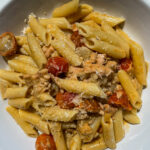
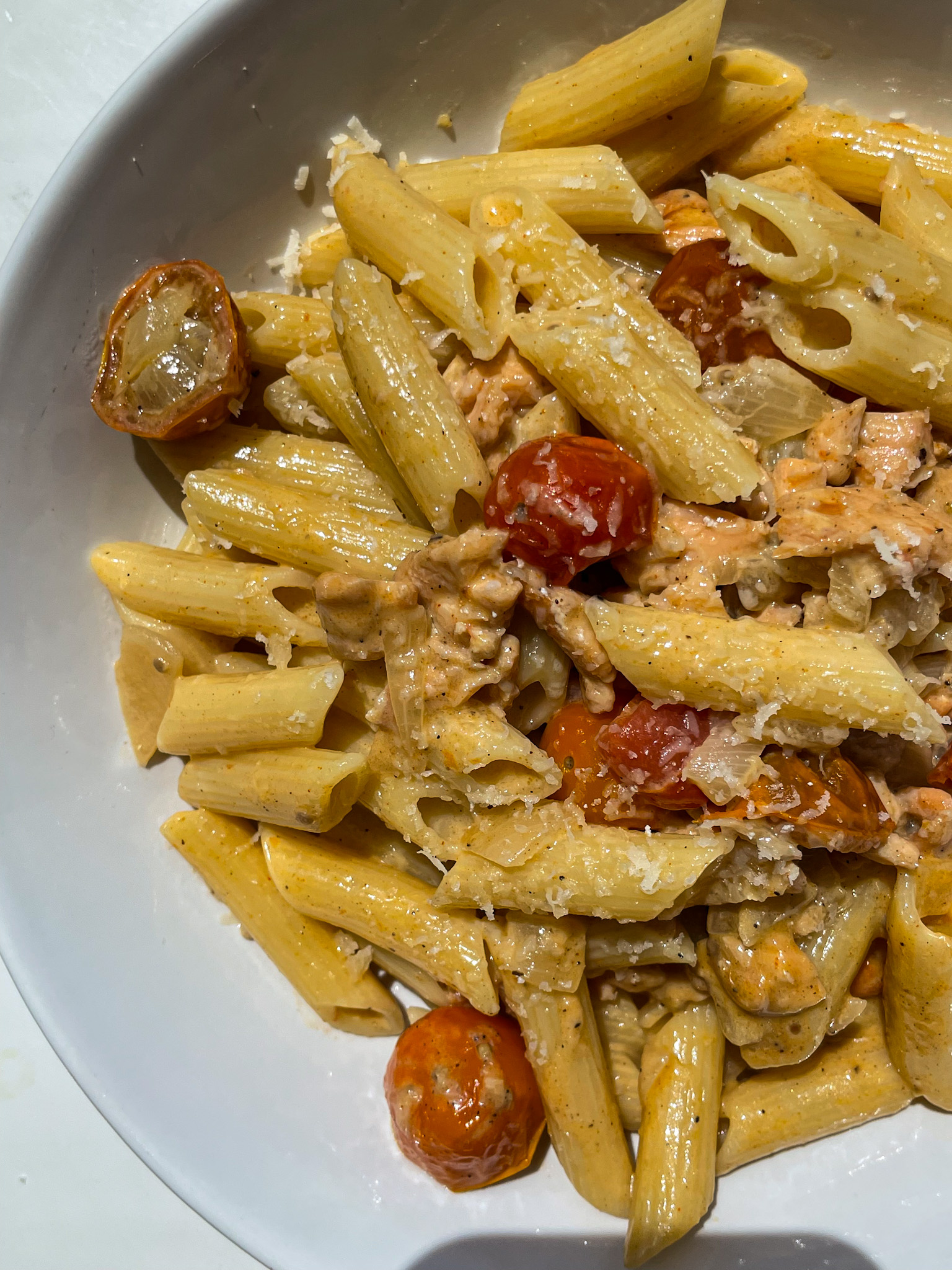
Few dishes capture the essence of comfort and elegance quite like creamy salmon pasta. This recipe transforms simple ingredients into a restaurant-quality meal that’s perfect for both weeknight dinners and special occasions. The creamy salmon pasta features tender penne enveloped in a luxurious sauce made with heavy cream, smoked salmon, and burst cherry tomatoes.
What makes this creamy salmon pasta truly special is the way flavors harmonize together. The smoky richness of salmon combines beautifully with the tangy sweetness of cherry tomatoes, while heavy cream ties everything together in a velvety embrace. Each bite of this creamy salmon pasta delivers satisfaction, with the pasta perfectly coated in sauce that clings to every ridge and curve.
The beauty of creamy salmon pasta lies in its simplicity. With just a handful of quality ingredients and straightforward techniques, you can create a dish that tastes like it came from an upscale Italian restaurant. This creamy salmon pasta proves that impressive meals don’t require complicated recipes or hard-to-find ingredients.
Why This Creamy Salmon Pasta Recipe Works
This creamy salmon pasta stands out because it balances richness with brightness. The smoked salmon provides deep, savory notes without overwhelming the palate, while cherry tomatoes add bursts of freshness that cut through the cream. The result is a creamy salmon pasta that feels indulgent but not heavy.
The choice to use smoked salmon in this creamy salmon pasta is deliberate and brilliant. Smoked salmon brings complexity that fresh salmon can’t match—the smoking process adds layers of flavor that elevate the entire dish. Plus, using smoked salmon means no need to cook the fish separately, making this creamy salmon pasta remarkably easy to prepare.
Another reason this creamy salmon pasta excels is the sauce-building technique. Starting with sautéed onions creates a sweet, aromatic foundation. The cherry tomatoes release their juices, adding both flavor and acidity. When heavy cream joins the party, these elements meld into a sauce that’s rich, balanced, and absolutely perfect for coating pasta.
Understanding the Components of Creamy Salmon Pasta
Great creamy salmon pasta begins with understanding each ingredient’s role. The pasta serves as the vehicle for the sauce, and penne is an excellent choice. Its tubular shape and ridged surface grab and hold the creamy sauce, ensuring every forkful of creamy salmon pasta is perfectly coated.
The sauce is where this creamy salmon pasta truly shines. Heavy cream provides the luxurious base, but it’s not just about richness. The cream carries flavors, mellows the tomato acidity, and creates that silky texture that makes creamy salmon pasta so satisfying. When combined with starchy pasta water, the sauce achieves the perfect consistency.
Smoked salmon is the star protein in this creamy salmon pasta. Unlike fresh salmon that requires careful cooking, smoked salmon simply needs to be warmed through. It contributes its distinctive smoky flavor while maintaining a tender, flaky texture that contrasts beautifully with the smooth sauce.
The Role of Cherry Tomatoes
Cherry tomatoes are essential to balancing the richness in this creamy salmon pasta. When cooked, they burst and release sweet, slightly acidic juices that brighten the entire dish. This acidity prevents the creamy salmon pasta from feeling too heavy, making it something you can enjoy without feeling weighed down.
The natural sugars in cherry tomatoes caramelize slightly during cooking, adding depth to your creamy salmon pasta. This subtle sweetness complements the smoky salmon and creates a more complex flavor profile. Fresh cherry tomatoes are preferred for this creamy salmon pasta because they maintain their shape and provide textural interest.
Building Flavor with Aromatics
Onions form the aromatic foundation of this creamy salmon pasta. Sautéing them until soft and translucent releases their natural sugars and creates a sweet, savory base. This step is crucial—raw or undercooked onions would add harshness to your creamy salmon pasta, while properly cooked onions contribute sweetness and depth.
Garlic, though not listed in the basic ingredients, would be a natural addition to this creamy salmon pasta. If you choose to include it, sauté minced garlic with the onions for added aromatic complexity. Just be careful not to burn it, as burnt garlic would impart bitterness to your creamy salmon pasta.
Selecting Quality Ingredients for Creamy Salmon Pasta
The quality of your ingredients directly impacts the final result of your creamy salmon pasta. When choosing smoked salmon, look for varieties that list salmon, salt, and smoke as the only ingredients. Avoid products with artificial smoke flavoring or excessive additives—they’ll compromise your creamy salmon pasta quality.
Premium smoked salmon has a deep, rich color and firm texture. For this creamy salmon pasta, you can use either hot-smoked or cold-smoked salmon, though cold-smoked tends to have a silkier texture that integrates beautifully into the sauce. The smoky flavor should be present but not overwhelming in your finished creamy salmon pasta.
Fresh cherry tomatoes make a significant difference in this creamy salmon pasta. Look for tomatoes that are firm, brightly colored, and fragrant. Organic cherry tomatoes often have more concentrated flavor. If cherry tomatoes aren’t available, grape tomatoes work equally well in creamy salmon pasta.
Choosing the Right Pasta
Penne is recommended for this creamy salmon pasta, but several other shapes work beautifully too. Rigatoni, fusilli, or farfalle all have surfaces and shapes that grab sauce effectively. Whatever pasta you choose for your creamy salmon pasta, select a high-quality brand made from durum wheat semolina for the best texture and flavor.
The pasta you use should hold its shape and maintain a slight bite even after mixing with the sauce. Overcooked pasta turns your creamy salmon pasta into mush, while perfectly al dente pasta provides the ideal textural contrast to the smooth, creamy sauce.
Cream Quality Matters
Heavy cream is non-negotiable for authentic creamy salmon pasta. Don’t substitute with milk or half-and-half—they lack the fat content necessary to create the luxurious sauce that defines this dish. The cream in creamy salmon pasta should have at least 36% milk fat for optimal results.
Fresh cream produces the best creamy salmon pasta. Check expiration dates and give the cream a smell test before using. Fresh cream should smell sweet and clean, with no sour notes. Quality cream won’t break or separate when heated, ensuring your creamy salmon pasta has a smooth, stable sauce.
Step-by-Step Instructions for Perfect Creamy Salmon Pasta
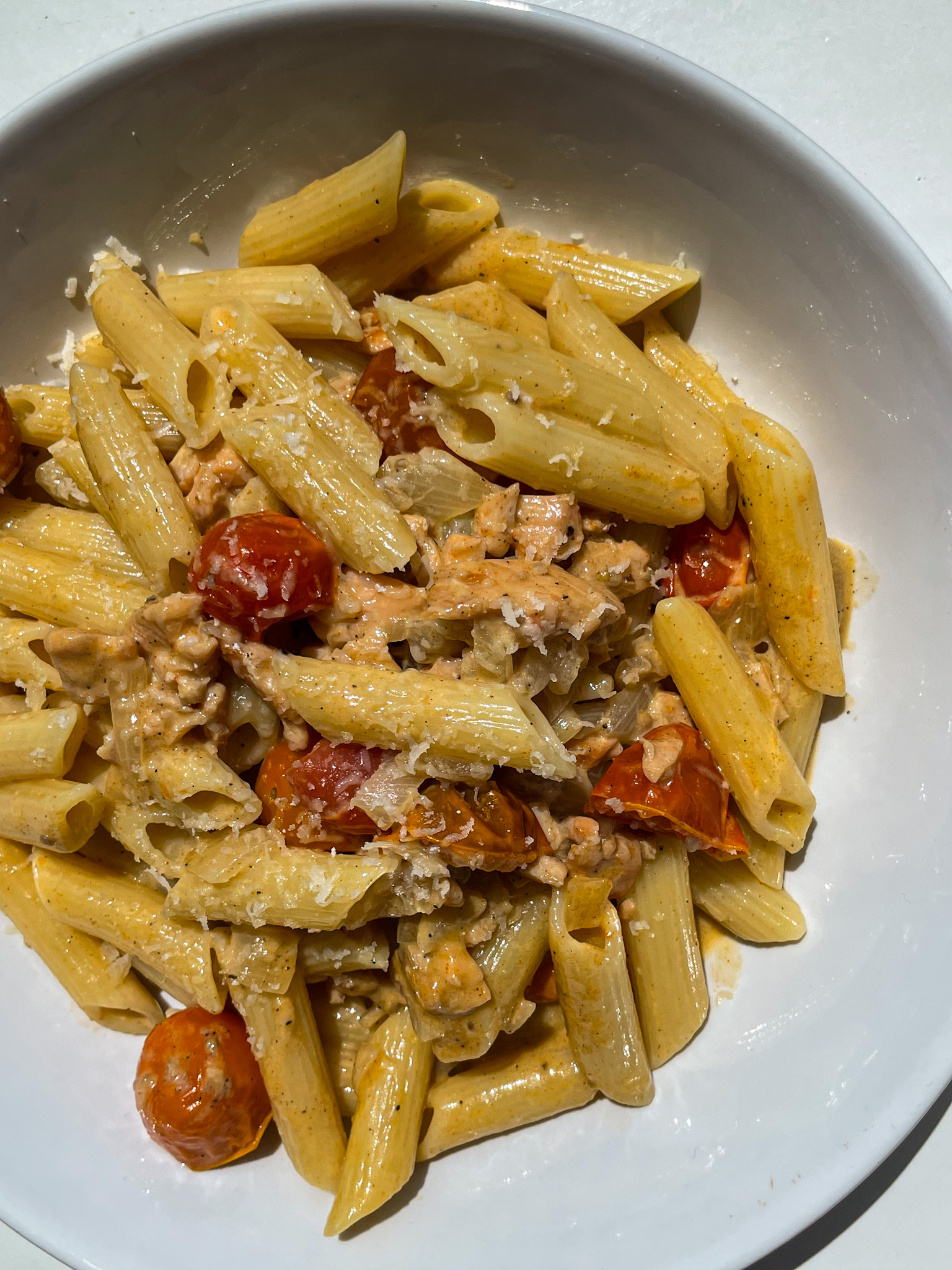
Creating exceptional creamy salmon pasta at home requires attention to timing and technique. This detailed guide ensures your creamy salmon pasta turns out perfectly every time, with a silky sauce and perfectly cooked pasta.
Cooking the Pasta
Start your creamy salmon pasta by bringing a large pot of salted water to a rolling boil. Use plenty of water—at least 4 quarts for a pound of pasta. Generously salt the water until it tastes like the sea. This is your only chance to season the pasta itself, and properly salted pasta makes better creamy salmon pasta.
Add the penne to the boiling water and stir immediately to prevent sticking. Cook the pasta for 2 minutes less than the package directions suggest. This ensures the pasta remains al dente even after finishing in the sauce. Remember, your creamy salmon pasta continues cooking when combined with the hot sauce.
Before draining, reserve at least one cup of pasta cooking water. This starchy liquid is essential for creating the perfect sauce consistency in your creamy salmon pasta. The starches help bind the sauce to the pasta and create a cohesive dish rather than pasta sitting in a puddle of sauce.
Preparing the Sauce Base
While the pasta cooks, heat olive oil in a large skillet over medium heat. Add diced onions and sauté for 4-5 minutes until they become soft, translucent, and sweet. This foundation is crucial for building depth in your creamy salmon pasta. Don’t rush this step—properly cooked onions make all the difference.
Add the cherry tomatoes to the pan and cook for 3-4 minutes, stirring occasionally. You want some tomatoes to burst and release their juices while others remain intact, creating textural variety in your creamy salmon pasta. Season with salt and pepper, tasting as you go.
The tomatoes should soften and begin breaking down, creating a chunky sauce base. If they’re not bursting on their own, gently press a few with the back of a wooden spoon. These released juices form the flavorful foundation that makes this creamy salmon pasta so delicious.
Adding the Cream
Reduce the heat to medium-low and pour in the heavy cream. Stir gently to combine with the onions and tomatoes. Let the mixture simmer gently for 2-3 minutes—don’t let it boil vigorously, as this can cause the cream to separate. Your creamy salmon pasta should have a smooth, unified sauce.
As the cream heats and combines with the tomato juices, it takes on a beautiful pale pink color. The sauce will thicken slightly as it simmers. If it seems too thick for your creamy salmon pasta, add a splash of the reserved pasta water to reach your desired consistency.
Taste the sauce at this stage and adjust seasoning. The sauce should be flavorful enough to stand on its own—remember, it needs to season the pasta too. A well-seasoned sauce is the key to outstanding creamy salmon pasta.
Incorporating the Salmon
Tear or cut the smoked salmon into bite-sized pieces and add them to the sauce. Stir gently to distribute the salmon throughout. The salmon just needs to warm through—overcooking will make it tough and dry. This gentle treatment keeps the salmon tender in your creamy salmon pasta.
The smoked salmon will release some of its oils into the sauce, enriching the flavor of your creamy salmon pasta. You’ll notice the sauce becoming even more flavorful as the salmon warms and its smoky essence permeates the cream.
Let the salmon heat in the sauce for just 1-2 minutes. The residual heat will continue cooking it gently even after you remove the pan from heat. This careful approach ensures your creamy salmon pasta features tender, perfectly cooked salmon.
Final Assembly
Add the drained pasta directly to the sauce, along with a quarter cup of the reserved pasta water. Toss everything together gently, coating each piece of pasta evenly. The pasta water helps the sauce cling to the pasta, creating cohesive creamy salmon pasta rather than separate components.
If the sauce seems too thick, add more pasta water a tablespoon at a time. If it’s too thin, let it simmer for another minute to reduce slightly. The perfect creamy salmon pasta has sauce that coats the pasta without pooling at the bottom of the bowl.
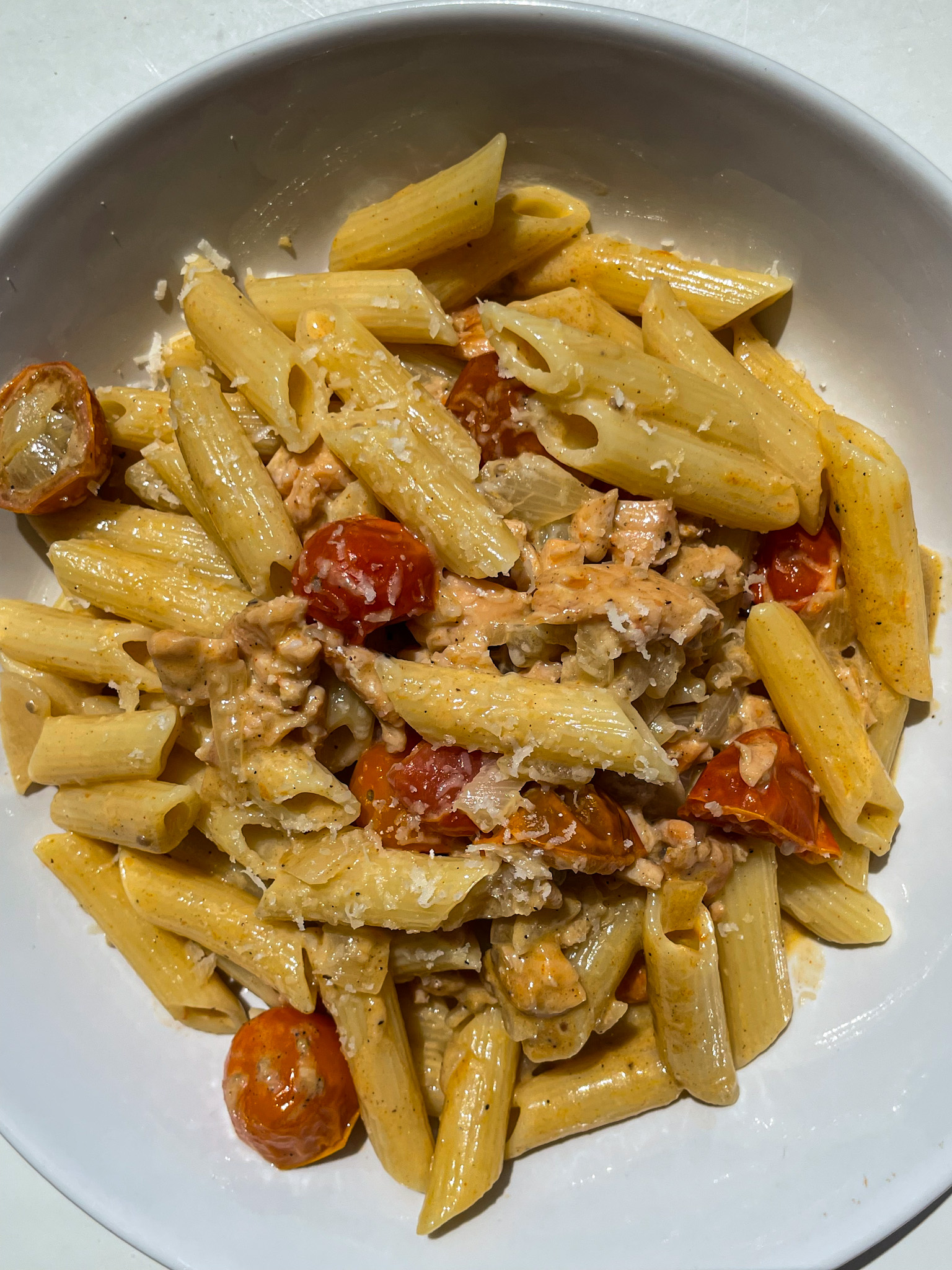
Grate fresh Parmesan cheese over the creamy salmon pasta and toss one final time. The cheese adds a salty, umami note that complements the smoky salmon beautifully. Serve immediately while the creamy salmon pasta is hot and the sauce is at its silkiest.
Professional Tips for Outstanding Creamy Salmon Pasta
Elevating your creamy salmon pasta from good to exceptional requires attention to small details that make a big difference. These professional techniques will help you achieve restaurant-quality results every time you make this dish.
Timing Is Everything
The key to perfect creamy salmon pasta is having all components ready simultaneously. Cook your pasta while preparing the sauce so everything comes together hot. Cold pasta won’t absorb sauce properly, and reheating compromises the texture of your creamy salmon pasta.
Don’t let the finished creamy salmon pasta sit before serving. The pasta continues absorbing sauce as it sits, and what starts as perfectly sauced can become dry within minutes. Plate and serve your creamy salmon pasta immediately for the best texture and flavor.
Sauce Consistency Control
The ideal creamy salmon pasta has sauce that’s neither too thick nor too thin. It should coat the pasta evenly without being gloppy or pooling excessively. Achieve this by adding pasta water gradually until you reach the perfect consistency for your creamy salmon pasta.
Remember that the sauce thickens as it cools. If you’re preparing creamy salmon pasta for guests, make the sauce slightly thinner than seems ideal. By the time it reaches the table, it will have thickened to perfection.
Enhancing Flavor Depth
For even more flavorful creamy salmon pasta, deglaze the pan with a splash of white wine after cooking the tomatoes and before adding cream. The wine adds acidity and complexity that elevates the dish. Let the wine reduce by half before proceeding with your creamy salmon pasta.
A squeeze of fresh lemon juice just before serving brightens all the flavors in your creamy salmon pasta. The acidity cuts through the richness and makes the dish feel lighter. Start with just a teaspoon and add more to taste.
Common Mistakes to Avoid When Making Creamy Salmon Pasta
Even experienced cooks can make errors that compromise their creamy salmon pasta. Understanding these common pitfalls helps ensure success every time you prepare this elegant dish.
Overcooking the Pasta
One of the most common mistakes is cooking the pasta until it’s completely tender. Remember, your creamy salmon pasta pasta will continue cooking when tossed with the hot sauce. Cook it 2 minutes less than the package suggests for perfect results. Mushy pasta ruins even the best creamy salmon pasta sauce.
Always taste the pasta before draining. It should have a slight firmness in the center—this is al dente. Perfectly cooked pasta makes your creamy salmon pasta more enjoyable and helps the sauce cling properly to each piece.
Breaking the Cream Sauce
Boiling cream vigorously can cause it to break or separate, ruining the smooth texture of your creamy salmon pasta. Always use medium-low heat once you add the cream. Gentle simmering allows the sauce to thicken without breaking, ensuring your creamy salmon pasta has that luxurious, velvety quality.
If your sauce does break, remove it from heat and whisk in a tablespoon of cold cream. This often brings it back together. Prevention is easier than fixing, so keep that temperature moderate when making creamy salmon pasta.
Using Too Much or Too Little Sauce
The ratio of sauce to pasta is crucial in creamy salmon pasta. Too much sauce makes it soupy and swimming, too little leaves it dry and disappointing. Aim for pasta that’s generously coated but not drowning. Each piece should glisten with sauce in your creamy salmon pasta.
If you’ve made too much sauce, save it for another use rather than adding it all to the pasta. Extra sauce can be refrigerated and used on vegetables, chicken, or tomorrow’s pasta. Your creamy salmon pasta should look elegant, not waterlogged.
Creative Variations of Creamy Salmon Pasta
While the classic recipe for creamy salmon pasta is exceptional, experimenting with variations keeps the dish exciting and allows you to adapt it to different preferences and occasions.
Herb-Enhanced Creamy Pasta
Fresh herbs transform creamy pasta into something even more special. Dill is a natural partner for salmon—add a tablespoon of chopped fresh dill just before serving. The bright, slightly anise-like flavor of dill complements the smoky salmon beautifully in creamy pasta.
Basil offers a different but equally delicious direction for your creamy pasta. Fresh basil leaves torn and stirred in at the end add a sweet, aromatic quality that pairs wonderfully with the tomatoes and cream. This variation gives your creamy pasta an Italian-garden freshness.
Parsley might seem plain, but it brightens creamy pasta remarkably. Fresh flat-leaf parsley adds a clean, green note that makes the dish feel lighter. Chop it finely and sprinkle generously over your finished creamy pasta.
Vegetable Additions
Spinach makes an excellent addition to salmon pasta. Add a few handfuls of fresh spinach to the sauce just before adding the pasta. It wilts quickly, adding nutrients, color, and mild flavor. This variation makes your salmon pasta more substantial and nutritious.
Asparagus brings spring elegance to salmon pasta. Cut asparagus into 1-inch pieces and sauté them with the onions. The slight bitterness of asparagus contrasts beautifully with the rich cream, creating a more complex version of salmon pasta.
Peas add sweetness and beautiful color to salmon pasta. Frozen peas work perfectly—just stir them into the hot sauce where they’ll thaw and heat through. This addition makes your salmon pasta more visually appealing and adds textural variety.
Protein Variations
For a more luxurious salmon pasta, use a combination of smoked and fresh salmon. Pan-sear fresh salmon pieces and add them along with the smoked salmon. This gives you two different textures and flavors in one dish, making your salmon pasta even more special.
Shrimp pairs wonderfully with salmon in salmon pasta. Sauté shrimp separately and add them with the smoked salmon. The combination of seafood makes this salmon pasta feel like a special occasion dish worthy of celebration.
Spice It Up
Add red pepper flakes to your salmon pasta for gentle heat. Just a quarter teaspoon transforms the dish without overwhelming the delicate salmon flavor. This spicy version of salmon pasta appeals to those who like a little kick in their comfort food.
Capers bring briny, tangy notes to salmon pasta. Add a tablespoon of drained capers with the salmon for bursts of salty flavor that complement the smoky fish. This Mediterranean-inspired variation makes your salmon pasta more complex and interesting.
Storage and Reheating Guidelines for Creamy Salmon Pasta
Proper storage techniques ensure your salmon pasta maintains quality if you have leftovers. Understanding how to store and reheat this dish preserves as much of its original appeal as possible.
Storing Leftover Salmon Pasta
Transfer cooled salmon pasta to an airtight container and refrigerate within 2 hours of cooking. Properly stored, your salmon pasta will keep for 2-3 days in the refrigerator. The sauce may thicken considerably as it cools—this is normal and easily remedied when reheating.
Don’t leave salmon pasta at room temperature for extended periods. The cream sauce is particularly susceptible to bacterial growth. Refrigerate promptly to keep your salmon pasta safe to eat.
Freezing salmon pasta isn’t recommended. Cream-based sauces often break or separate when frozen and thawed, resulting in an unappealing texture. The pasta also suffers in texture after freezing. It’s best to make only what you’ll eat or enjoy the leftovers within a few days.
Reheating for Best Results
Reheat salmon pasta gently on the stovetop for best results. Place it in a skillet over medium-low heat, adding a splash of cream, milk, or pasta water to loosen the sauce. Stir gently and frequently until heated through. This method preserves the sauce texture better than microwaving.
If you must use a microwave to reheat salmon pasta, do so in short intervals at reduced power. Heat for 30 seconds, stir, and repeat until warm. Add a tablespoon of cream or milk before microwaving to help prevent drying. Even with care, microwaved salmon pasta won’t match the quality of freshly made.
The smoked salmon in leftover salmon pasta can become tough if overheated. Warm the dish just until heated through—you’re not cooking it, just bringing it back to serving temperature. Gentle reheating keeps your salmon pasta as close to its original state as possible.
Frequently Asked Questions About Salmon Pasta
Can I use fresh salmon instead of smoked salmon in salmon pasta?
Yes, fresh salmon works beautifully in salmon pasta. Cut fresh salmon into cubes, season it, and pan-sear before adding to the sauce. Fresh salmon gives you a different but equally delicious version of salmon pasta with a cleaner, less smoky flavor profile.
What pasta shapes work best for salmon pasta?
While penne is traditional, many shapes work well for salmon pasta. Rigatoni, fusilli, farfalle, or fettuccine all pair beautifully with cream sauce. Choose shapes with texture or curves that grab sauce. Any of these options will give you delicious salmon pasta.
Can I make salmon pasta dairy-free?
Creating dairy-free salmon pasta is possible using coconut cream or cashew cream. These alternatives won’t taste identical to the original, but they create a rich, satisfying sauce. Your dairy-free salmon pasta will have different flavor notes but can still be delicious.
How can I make salmon pasta healthier?
For lighter salmon pasta, substitute half-and-half for heavy cream, or use a combination of cream and pasta water for a thinner sauce. Adding extra vegetables increases nutrition without sacrificing flavor. These modifications create a somewhat lighter version of salmon pasta.
Can I prepare salmon pasta ahead of time?
salmon pasta is best served immediately, but you can prep components ahead. Cook the sauce and refrigerate it separately from the pasta. When ready to serve, cook fresh pasta and combine with reheated sauce. This approach gives you better results than making complete salmon pasta ahead.
What wine pairs well with salmon pasta?
White wines pair beautifully with salmon pasta. Try a crisp Pinot Grigio, buttery Chardonnay, or aromatic Sauvignon Blanc. The wine’s acidity cuts through the richness of the cream, making each bite of your salmon pasta more refreshing.
Is smoked salmon already cooked?
Yes, smoked salmon is fully cooked during the smoking process, which is why it works so well in salmon pasta. You’re simply warming it through and incorporating its flavor into the sauce. No additional cooking is required for the salmon in salmon pasta.
Can I add garlic to creamy salmon pasta?
Absolutely! Garlic is a wonderful addition to salmon pasta. Sauté 2-3 minced garlic cloves with the onions for added flavor depth. Just be careful not to burn it, as burnt garlic would create bitterness in your salmon pasta.
Final Thoughts on Making Creamy Salmon Pasta
This salmon pasta recipe delivers restaurant-quality results with straightforward techniques and accessible ingredients. The combination of smoked salmon, sweet cherry tomatoes, and luxurious cream creates a dish that’s both comforting and elegant. Every element of this salmon pasta has been designed to work together harmoniously.
Whether you’re cooking for weeknight family dinner or entertaining special guests, this salmon pasta impresses without requiring advanced culinary skills. The recipe is forgiving, the ingredients are simple, and the results are consistently delicious. Most importantly, this salmon pasta brings satisfaction and joy to everyone who tastes it.
Don’t hesitate to make this dish your own through the suggested variations. The foundation of salmon pasta is solid enough to support creative touches while remaining foolproof enough for beginners. Gather your ingredients, follow the steps, and prepare to enjoy homemade salmon pasta that rivals your favorite restaurant’s version.
See our similar recipes:
People also like our these recipes:
- 200 g smoked salmon
- 2 tbsp olive oil
- 1 onion chopped
- 1 handful cherry tomatoes
- 1 cup heavy cream
- Salt and pepper to taste
- 1/2 cup Parmesan cheese
- 230 g pasta
- 1/2 cup pasta water
In a saucepan, add in the olive oil, chopped onion and let it cook till it is soft.
Add in the cherry tomatoes, smoked salmon and cook.
Add in some pasta water, heavy cream, salt, pepper and let it simmer till thickened.
Add in the cooked pasta and mix.
Top with some extra Parmesan cheese and serve while warm!
If you've given this recipe a try and it won you over, please share your thoughts by leaving
a rating and comment below! If you have any questions about this recipe, don't hesitate to ask – I'm here to
help and will respond promptly.