Indian Butter Chicken: Restaurant Quality at Home
Creating authentic Indian Butter Chicken in your own kitchen brings the comforting flavors of India’s most beloved dish directly to your dinner table. This iconic recipe features succulent chicken pieces bathed in a luxuriously creamy tomato sauce that balances rich butter, aromatic spices, and subtle sweetness perfectly. Despite its complex flavor profile, this Indian Butter Chicken remains surprisingly simple to prepare, making it accessible to home cooks seeking restaurant-quality results without professional training.
The beauty of Indian Butter Chicken lies in its universal appeal across different palates and age groups. The mild spicing and creamy texture make it approachable for those new to Indian cuisine, while the depth of flavor satisfies experienced enthusiasts seeking authentic taste. Each spoonful delivers the perfect harmony of tangy tomatoes, warm spices, and velvety cream that has made this dish famous worldwide.
Whether you’re planning a cozy family dinner, entertaining guests, or simply craving something special, this Indian Butter Chicken delivers impressive results with minimal effort. The aromatic spices fill your home with an irresistible fragrance while the sauce simmers to perfection. Serve it alongside fluffy basmati rice or warm naan bread to soak up every drop of the incredible sauce that defines this classic dish.
Why This Indian Butter Chicken Recipe Stands Out
What distinguishes exceptional Indian Butter Chicken from disappointing versions? The answer lies in balancing the sauce components to achieve that signature creamy, slightly sweet, and perfectly spiced flavor. This recipe carefully calibrates butter, cream, tomatoes, and spices to recreate the taste you’d find in the finest Indian restaurants. No ingredient overwhelms the others—each plays its essential role in the harmonious whole.
Traditional Indian Butter Chicken, known as Murgh Makhani in Hindi, originated in Delhi during the 1950s when resourceful chefs created this dish to use leftover tandoori chicken. The original version combined the charred, spiced chicken with a rich tomato and butter sauce, creating something entirely new and delicious. This recipe honors those origins while adapting techniques for modern home kitchens.
The marination process proves crucial for tender, flavorful chicken in your Indian Butter Chicken. Yogurt in the marinade serves dual purposes—its acidity tenderizes the meat while its creamy texture helps spices adhere to the chicken. This step infuses flavor throughout each piece rather than just coating the surface, ensuring every bite delivers the characteristic taste.
Understanding the Flavor Profile
Indian Butter Chicken achieves its distinctive taste through careful spice selection and preparation. Garam masala provides warm, complex notes that form the flavor foundation. This spice blend typically contains cinnamon, cardamom, cloves, cumin, coriander, and black pepper. Each component contributes different aromatic qualities that create the recognizable taste profile of authentic Indian cuisine.
The sauce’s creaminess comes from both heavy cream and butter, which mellow the tomatoes’ acidity while adding luxurious richness. Some recipes use cashew paste for additional thickness and subtle sweetness, though this version achieves perfect consistency through proper cooking technique. The result is a sauce that coats the chicken beautifully without being overly heavy.
Balancing sweetness represents another key element in excellent Indian Butter Chicken. A small amount of sugar counteracts tomato acidity while enhancing the sauce’s natural flavors. This subtle sweetness shouldn’t dominate—rather, it rounds out the taste, preventing the sauce from becoming too sharp or one-dimensional. The interplay between sweet, tangy, and savory creates the complex flavor that makes this dish irresistible.

Preparing Perfect Chicken for Indian Butter Chicken
Selecting the right chicken makes a significant difference in your Indian Butter Chicken results. Boneless, skinless chicken breasts provide lean protein that absorbs marinades well, though chicken thighs offer more flavor and remain juicier during cooking. Many Indian restaurants prefer thigh meat for its superior texture and taste. Choose based on personal preference, knowing both work beautifully.
Cut the chicken into uniform bite-sized pieces, approximately one and a half inches square. Consistent sizing ensures even cooking and marination. Smaller pieces also maximize surface area exposed to the marinade, allowing more flavor penetration. Avoid cutting pieces too small, as they can become dry and stringy during cooking in your Indian Butter Chicken.
Pat the chicken pieces dry with paper towels before marinating. Excess moisture dilutes the marinade and prevents proper adhesion. This simple step ensures the yogurt and spices coat each piece thoroughly, contributing to better flavor development throughout your Indian Butter Chicken preparation.
Creating the Marinade
The marinade for Indian Butter Chicken combines Greek yogurt with aromatic spices that tenderize while flavoring the meat. Mix one cup of full-fat Greek yogurt with one tablespoon each of minced garlic and ginger. These aromatics provide the essential savory base that characterizes Indian cuisine. Fresh ingredients work best, though jarred minced versions save time without drastically compromising flavor.
Add one teaspoon each of garam masala, ground coriander, and cumin to the yogurt mixture. Include half teaspoon each of turmeric and red chili powder, adjusting the chili based on your heat preference. The turmeric contributes golden color while the chili provides gentle warmth rather than aggressive heat. Season with one teaspoon of salt and two tablespoons of fresh lemon juice for brightness.
Whisk the marinade ingredients until smooth and well combined. Add the chicken pieces and turn to coat each piece thoroughly. Cover the bowl and refrigerate for at least thirty minutes, though two to four hours produces superior results. Overnight marination creates incredibly tender, flavorful chicken for your Indian Butter Chicken, making this step perfect for advance preparation.
Cooking the Marinated Chicken
While traditional Indian Butter Chicken uses tandoor-cooked chicken, home cooks can achieve excellent results through stovetop or oven methods. For stovetop cooking, heat two tablespoons of unsalted butter in a large skillet over medium-high heat. Once the butter melts and the foam subsides, add marinated chicken pieces in a single layer, working in batches to avoid crowding.
Cook the chicken for three to four minutes per side until it develops light charring and cooks through to an internal temperature of 165 degrees Fahrenheit. The slight caramelization adds depth to your Indian Butter Chicken’s flavor profile. Don’t worry about cooking it perfectly at this stage—the chicken will simmer in the sauce later, finishing the cooking process.
Alternatively, broil the marinated chicken for an effect closer to traditional tandoor cooking. Arrange pieces on a foil-lined baking sheet and broil four inches from the heat source for six to eight minutes, flipping halfway through. The high heat creates appealing char marks that contribute smoky notes to your Indian Butter Chicken. Remove the chicken from heat and set aside while you prepare the sauce.
Creating the Signature Creamy Sauce
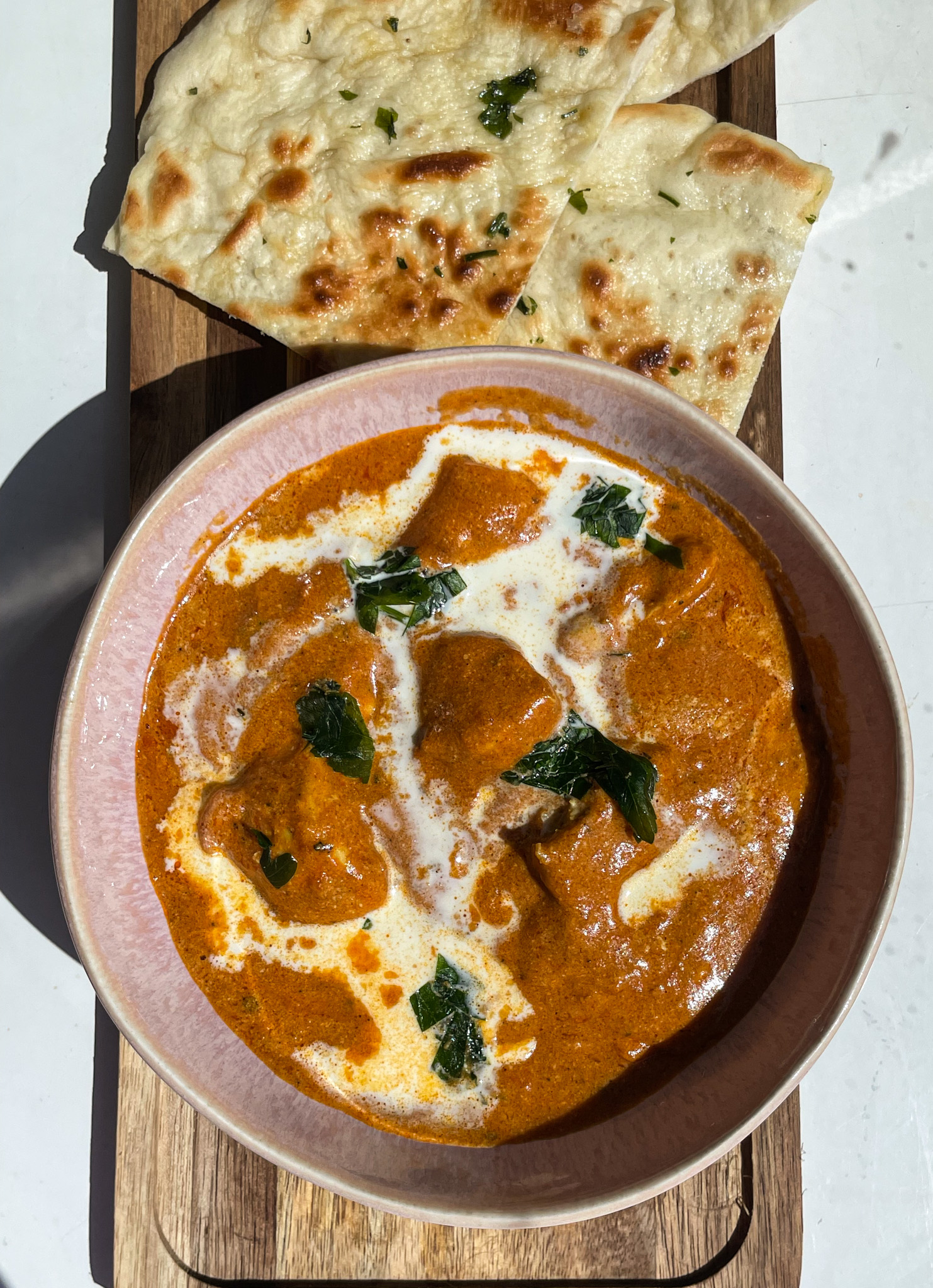
The luscious sauce defines Indian Butter Chicken, making its preparation the most crucial step. Begin by melting four tablespoons of unsalted butter in a large, deep skillet or Dutch oven over medium heat. Once melted, add one tablespoon each of minced garlic and ginger. Sauté for one minute until fragrant but not browned, as burned garlic turns bitter and ruins the sauce.
Add the ground spices to the butter and aromatics—one tablespoon of garam masala, two teaspoons each of ground coriander and cumin, one teaspoon of turmeric, and one teaspoon of red chili powder. Toast these spices in the butter for thirty seconds, stirring constantly. This blooming process releases essential oils and intensifies flavors, creating the aromatic foundation of authentic Indian Butter Chicken.
Pour in three cups of tomato puree and stir well to combine with the spiced butter. The tomatoes provide the sauce’s tangy base while their natural sugars contribute subtle sweetness. Bring the mixture to a gentle simmer, then reduce heat to medium-low. Let the sauce cook for ten to fifteen minutes, stirring occasionally, until it thickens and the raw tomato taste mellows.
Achieving Perfect Consistency
The sauce for Indian Butter Chicken should coat the back of a spoon without being overly thick or thin. If your sauce seems too thick, add small amounts of water or chicken stock until you achieve the desired consistency. Conversely, if it appears too thin, continue simmering to reduce and concentrate flavors while thickening naturally through evaporation.
Add one tablespoon of sugar to balance the tomatoes’ acidity and round out the flavors in your Indian Butter Chicken. This small amount shouldn’t make the sauce taste sweet—rather, it creates harmony between the tangy tomatoes and rich cream. Taste and adjust, keeping in mind that the cream addition will further mellow the flavors.
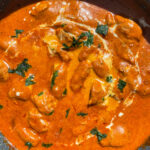
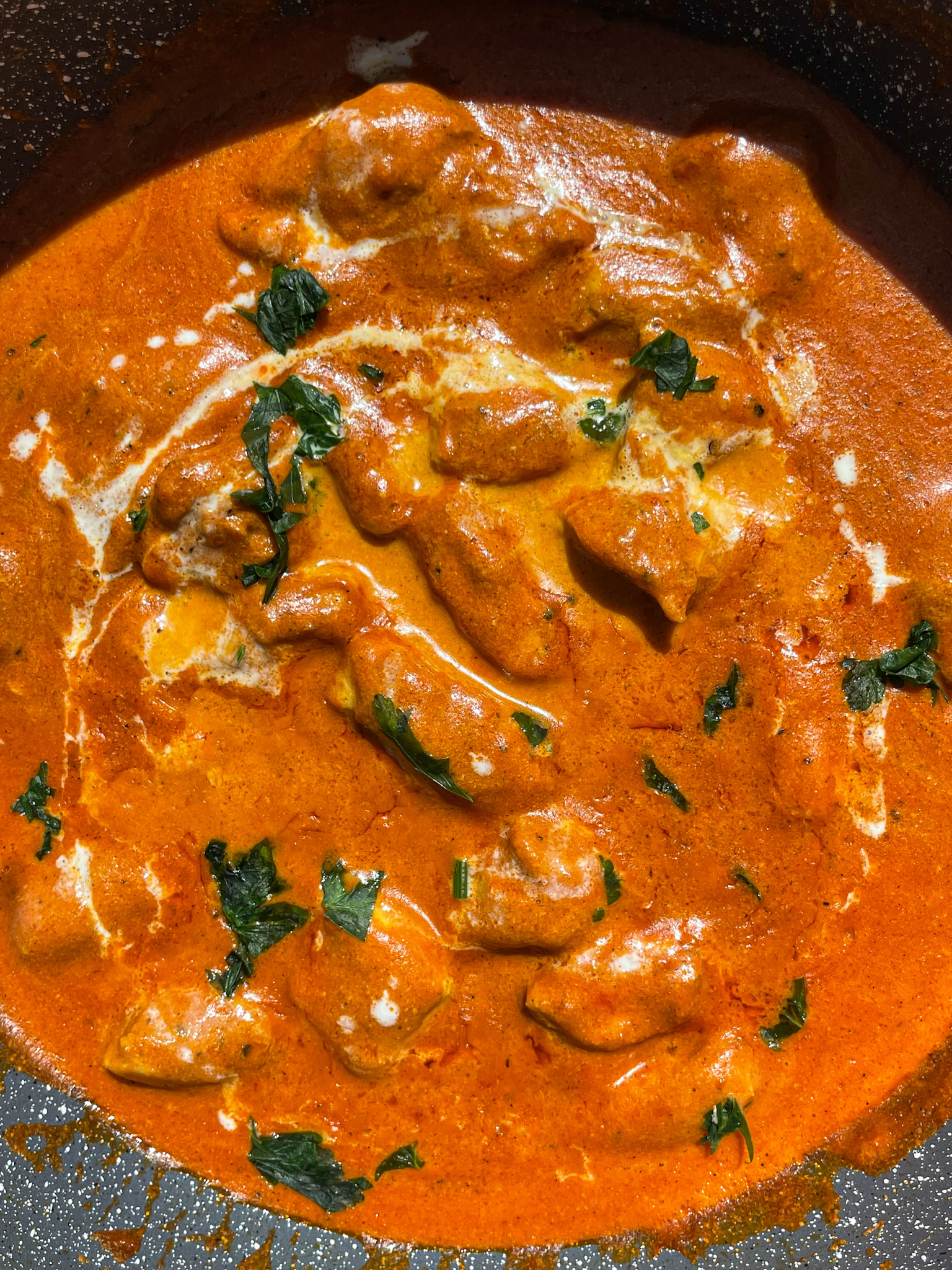
Stir in one cup of heavy cream, watching as the sauce transforms to that characteristic orange-pink color associated with Indian Butter Chicken. The cream adds luxurious richness while tempering the spices’ heat. For lighter versions, substitute half-and-half or coconut cream, though the traditional full-fat heavy cream provides the most authentic taste and texture.
Finishing Touches
Return the cooked chicken pieces to the sauce, stirring gently to coat each piece. Simmer for five to ten minutes, allowing the chicken to absorb flavors while finishing cooking if needed. The extended simmering also helps the sauce cling to the chicken, ensuring every bite of your Indian Butter Chicken delivers maximum flavor.
Taste the sauce and adjust seasoning as needed. Add more salt if the flavors seem flat, or a squeeze of fresh lemon juice if it needs brightness. Some cooks add a pinch of kasuri methi, dried fenugreek leaves, which contributes a slightly bitter, maple-like flavor that adds authenticity to Indian Butter Chicken. Crush the dried leaves between your palms before adding.
Just before serving, stir in two tablespoons of additional butter for extra richness and glossy appearance. This final butter addition, called finishing with butter, adds silky texture and enhances the dish’s name-sake ingredient. Garnish your Indian Butter Chicken with freshly chopped cilantro for color and fresh flavor that brightens the rich sauce.
Professional Tips for Restaurant-Quality Results
Using full-fat ingredients makes a noticeable difference in Indian Butter Chicken’s final taste and texture. Full-fat Greek yogurt, heavy cream, and real butter create the authentic richness that defines this dish. Low-fat substitutions compromise the characteristic creamy texture and mellow spice levels, resulting in less satisfying outcomes.
Toast whole spices before grinding them yourself for superior flavor compared to pre-ground versions. Cumin seeds, coriander seeds, and other whole spices release more aromatic compounds when freshly ground. If purchasing pre-ground spices for your Indian Butter Chicken, buy from stores with high turnover and store them in airtight containers away from light and heat.
Don’t rush the sauce simmering process. Allowing adequate time for flavors to meld and develop creates depth impossible to achieve through quick cooking. The sauce should reduce slightly, concentrating flavors while the spices lose any harsh, raw edges. This patient approach transforms good Indian Butter Chicken into exceptional restaurant-quality results.
Customizing Heat Levels
This Indian Butter Chicken recipe offers mild to moderate spice levels suitable for most palates. Increase the red chili powder to one and a half or two teaspoons for more heat, or add fresh green chilies sliced into the sauce. Kashmiri chili powder provides vibrant color with minimal heat, perfect for those wanting appearance without aggressive spiciness.
For truly mild Indian Butter Chicken suitable for young children or heat-sensitive eaters, reduce or omit the chili powder entirely. The dish retains wonderful flavor from other spices without any heat. You can always offer hot sauce or chili flakes on the side, allowing each diner to customize their heat level.
Conversely, spice enthusiasts can enhance heat through various methods. Add cayenne pepper for sharp heat, or include sliced serrano peppers during sauce simmering. Remember that heat intensifies during cooking and sitting, so start conservatively when adjusting your Indian Butter Chicken’s spice level.
Make-Ahead and Storage Tips
Indian Butter Chicken actually improves when made ahead, as flavors continue developing and melding during storage. Prepare the complete dish up to two days in advance, storing it in an airtight container in the refrigerator. Reheat gently over low heat, adding splashes of cream or water if the sauce has thickened too much.
The chicken can be marinated up to twenty-four hours before cooking, making meal prep extremely convenient. This extended marination produces incredibly tender, flavorful meat. Simply cook the chicken and prepare the sauce when ready to serve your Indian Butter Chicken.
For longer storage, this dish freezes beautifully for up to three months. Cool completely before transferring to freezer-safe containers, leaving some headspace for expansion. Thaw overnight in the refrigerator before reheating. The sauce may separate slightly after freezing, but gentle stirring while reheating restores proper consistency to your Indian Butter Chicken.
Serving Suggestions and Accompaniments
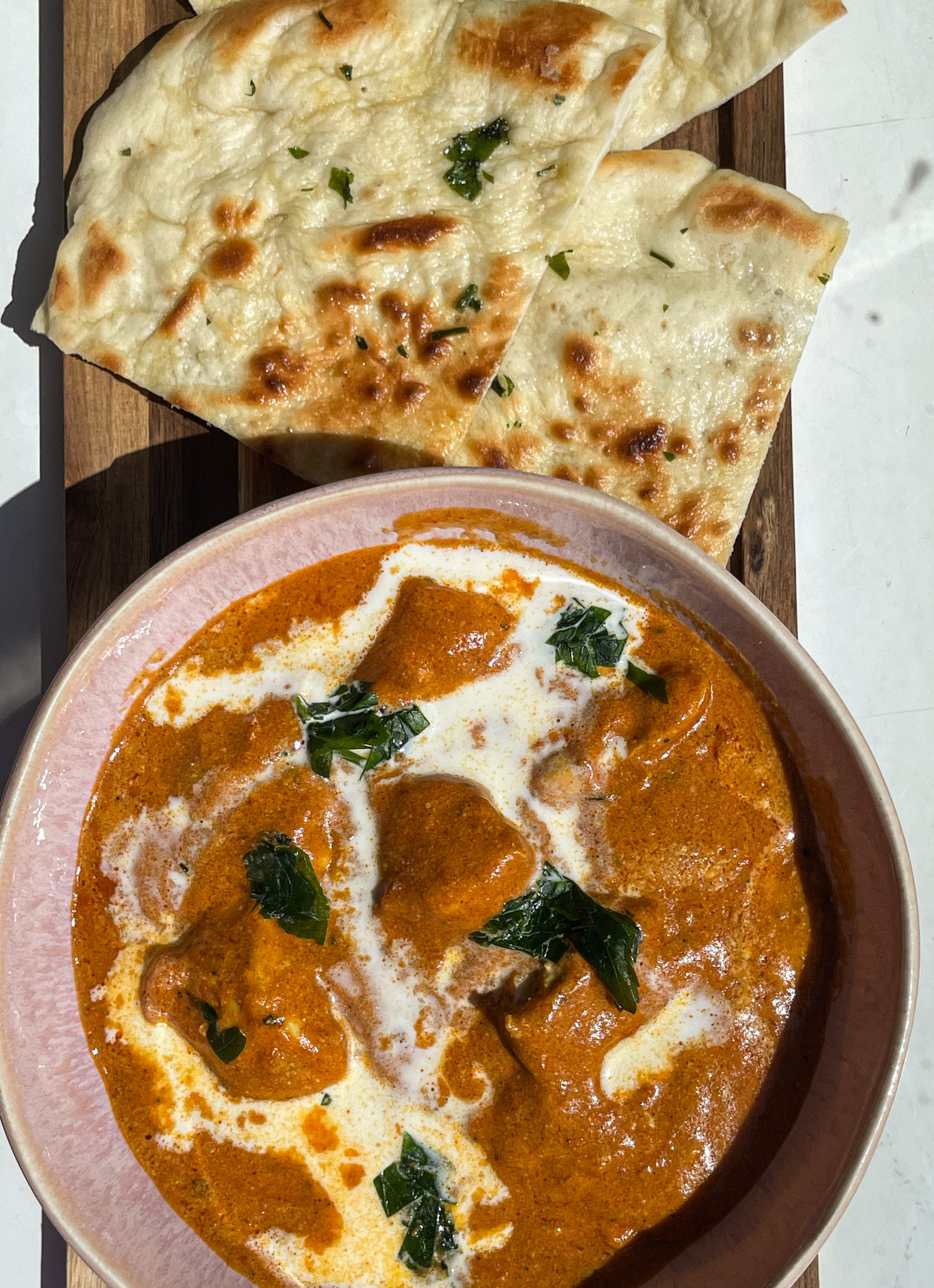
Traditional accompaniments enhance the Indian Butter Chicken experience while providing textural contrast to the rich, creamy sauce. Fluffy basmati rice serves as the classic pairing, its delicate flavor and separate grains providing perfect neutral base for the flavorful sauce. Cook the rice with a few cardamom pods or a cinnamon stick for subtle aromatic enhancement.
Warm naan bread offers another authentic serving option for Indian Butter Chicken. The pillowy flatbread’s slightly charred surface and soft interior make it ideal for scooping up the delicious sauce. Brush naan with garlic butter before serving for extra flavor that complements the dish beautifully. Roti or paratha also work wonderfully as traditional Indian bread options.
Consider serving Indian Butter Chicken alongside complementary side dishes for a complete meal. Cucumber raita, a cooling yogurt condiment with diced cucumber and mint, provides refreshing contrast to the rich main dish. Simple steamed vegetables or a fresh salad with lemon dressing add brightness and balance to the meal.
Creating a Complete Indian Meal
Build a traditional Indian feast around your Indian Butter Chicken by adding other classic dishes. Start with samosas or pakoras as appetizers, offering crunchy contrast to the creamy main course. These fried snacks pair beautifully with mint chutney and tamarind sauce for dipping.
Include dal, a lentil curry, as a vegetarian protein option alongside your Indian Butter Chicken. The earthy lentils and lighter sauce provide nice variety compared to the rich chicken dish. Sag paneer, spinach with Indian cheese, or aloo gobi, spiced potatoes and cauliflower, round out the meal with additional vegetable options.
Finish with traditional Indian desserts like kheer, a creamy rice pudding flavored with cardamom and saffron, or gulab jamun, sweet milk balls in fragrant syrup. These desserts provide sweet ending to the savory feast centered around your Indian Butter Chicken.
Beverage Pairings
The creamy, mildly spiced nature of Indian Butter Chicken pairs well with various beverages. Mango lassi, a sweet yogurt drink blended with mango pulp, offers traditional accompaniment that complements the dish while cooling any residual heat. The creamy, fruity beverage matches the sauce’s richness beautifully.
For wine pairings, choose medium-bodied whites like Gewürztraminer or Riesling. These slightly sweet wines with floral notes complement Indian Butter Chicken’s spices without overwhelming them. The wines’ acidity cuts through the cream, refreshing the palate between bites.
Beer lovers should reach for wheat beers or light lagers that won’t compete with the complex flavors in Indian Butter Chicken. Avoid heavily hopped IPAs, as the bitterness clashes with the creamy sauce. Instead, select smooth, slightly sweet beers that harmonize with the dish’s flavor profile.
Understanding Indian Butter Chicken Variations
While the classic version remains beloved, several regional and modern variations of Indian Butter Chicken exist. Some recipes add cashew paste or ground almonds to the sauce, creating additional richness and subtle nutty flavor. These nuts, when blended smooth, contribute to sauce thickness while adding layers of complexity.
Restaurant versions sometimes include fenugreek cream, made by steeping dried fenugreek leaves in heavy cream. This addition provides the slightly bitter, aromatic quality associated with authentic Indian Butter Chicken from high-end establishments. The technique is simple—warm cream with crushed kasuri methi for ten minutes, then strain before adding to the sauce.
Vegan adaptations substitute coconut cream for dairy cream and use coconut oil instead of butter in Indian Butter Chicken. Replace the yogurt marinade with coconut yogurt, and use firm tofu or chickpeas instead of chicken. While different from traditional versions, these plant-based alternatives capture the essence of the dish’s flavors.
Comparing to Chicken Tikka Masala
Many people confuse Indian Butter Chicken with Chicken Tikka Masala, though distinct differences exist between these popular dishes. Butter Chicken originated in Delhi and features a smooth, buttery tomato sauce with mild, slightly sweet flavor. The sauce’s velvety texture comes from generous amounts of butter and cream, creating that characteristic richness.
Chicken Tikka Masala, believed to have originated in British Indian restaurants, typically offers more complex spicing with pronounced onion, garlic, and ginger flavors. The sauce tends to be chunkier with visible onion pieces and stronger spice notes. It’s generally spicier than Indian Butter Chicken, with more robust, assertive flavors.
The chicken preparation differs slightly as well. Tikka Masala emphasizes charred, smoky flavors from high-heat cooking, while Indian Butter Chicken focuses more on the creamy sauce that envelops tender chicken. Both are delicious, but each offers unique characteristics that make them distinct dishes rather than interchangeable alternatives.
Troubleshooting Common Issues
Grainy or separated sauce plagues some attempts at Indian Butter Chicken, usually resulting from overheating the cream. Add cream to cooled or gently simmering sauce rather than boiling liquid. If separation occurs, remove from heat and whisk vigorously, or blend a portion of the sauce smooth before recombining.
Dry, tough chicken indicates overcooking at some stage. Ensure the initial chicken cooking doesn’t exceed the necessary time to reach safe internal temperature. The final simmering in sauce should be gentle, not vigorous boiling that can toughen protein. Using chicken thighs instead of breasts provides more forgiving results that resist drying.
Bitter sauce stems from burned spices or garlic during the initial cooking stages. Watch aromatics carefully, stirring constantly while they cook. If bitterness occurs, a small amount of sugar can mask it somewhat, though prevention through careful cooking produces better results in your Indian Butter Chicken.
Adjusting Consistency
Too-thick sauce can be thinned with small additions of water, chicken stock, or additional cream. Add liquid gradually, stirring between additions until you achieve the desired consistency. Remember that the sauce thickens as it cools, so aim for slightly thinner than your target when it’s hot.
Conversely, thin sauce needs reduction or thickening. Simmer uncovered to evaporate excess liquid and concentrate flavors. Alternatively, mix one tablespoon of cornstarch with two tablespoons of water, then stir this slurry into simmering sauce. The cornstarch thickens without altering flavor, though some purists prefer the reduction method for Indian Butter Chicken.
Flavor Balancing
If your Indian Butter Chicken tastes too acidic, add more cream or a bit more sugar to balance the tomatoes. Conversely, overly sweet sauce needs acid—add fresh lemon juice or a splash of vinegar to brighten flavors. Salt also enhances other flavors, so underseasoning might make the dish taste flat even if other components are correct.
Spices that taste harsh or overpowering benefit from longer, gentler cooking. The raw edge on spices mellows with time and heat. If you’ve added too much of a particular spice, increase the sauce volume by adding more tomato puree, cream, and proportionally more of the other ingredients to dilute the dominant spice.
Frequently Asked Questions About Indian Butter Chicken
Can I Use Chicken Thighs Instead of Breasts?
Absolutely, chicken thighs work wonderfully in Indian Butter Chicken and many cooks actually prefer them. Thigh meat contains more fat than breast meat, making it juicier and more flavorful. The darker meat also withstands longer cooking without drying out, providing more forgiving results. Use boneless, skinless thighs cut into similar-sized pieces as you would breast meat.
The slightly richer flavor of thigh meat complements the creamy sauce beautifully. Cooking time remains essentially the same, though check for doneness using a thermometer to ensure the internal temperature reaches 165 degrees Fahrenheit. Many authentic Indian restaurants use thigh meat for their Indian Butter Chicken preparations.
Is This Dish Spicy?
As written, this Indian Butter Chicken offers mild to moderate heat suitable for most palates including children. The warmth comes primarily from garam masala and a small amount of chili powder rather than aggressive heat. The cream and butter mellow the spices significantly, creating comforting rather than challenging flavors.
You can easily adjust heat levels up or down based on preference. Reduce or omit chili powder for truly mild Indian Butter Chicken, or increase it along with fresh chilies for more heat. The beauty of this dish lies in its versatility—it adapts to accommodate various spice tolerances while maintaining its essential character.
Can I Make This Without a Grill or Tandoor?
Yes, this recipe is specifically designed for home kitchens without specialized equipment. While traditional Indian Butter Chicken uses tandoor-cooked chicken, stovetop or oven methods produce excellent results. The key lies in achieving some caramelization on the chicken before adding it to the sauce, which develops depth and complexity.
Pan-searing in butter or broiling under high heat creates similar effects to tandoor cooking. The slight charring contributes smoky notes that enhance the dish’s flavor profile. Don’t worry about perfectly replicating tandoor results—the rich, flavorful sauce makes this Indian Butter Chicken delicious regardless of the chicken cooking method.
How Long Does This Keep?
Properly stored Indian Butter Chicken keeps in the refrigerator for three to four days in an airtight container. The flavors actually improve during this time as they continue melding together. Reheat gently on the stovetop over low heat, stirring occasionally and adding splashes of cream or water if needed to restore consistency.
For longer storage, freeze Indian Butter Chicken for up to three months. Cool completely before transferring to freezer-safe containers, leaving headspace for expansion. Thaw overnight in the refrigerator before reheating. The dish maintains excellent quality through freezing, making it perfect for batch cooking and meal prep.
What Makes the Sauce Orange-Colored?
The characteristic orange hue of Indian Butter Chicken comes from the combination of tomato puree, turmeric, and cream. Tomatoes provide the red base, while turmeric adds golden yellow tones. When combined with white cream, these ingredients create the signature orange-pink color associated with this dish.
The specific shade varies based on tomato puree darkness and cream amount. More cream creates lighter, more pink tones, while less cream produces deeper orange. Kashmiri chili powder, when used, contributes additional red color while providing minimal heat, intensifying the visual appeal of your Indian Butter Chicken.
Final Thoughts on Indian Butter Chicken
This Indian Butter Chicken recipe brings authentic restaurant flavors into your home kitchen with surprising ease and accessibility. The combination of tender, marinated chicken in luxuriously creamy tomato sauce creates comfort food that transcends cultural boundaries. Each element—the aromatic spices, rich butter, tangy tomatoes, and smooth cream—contributes to a harmonious whole greater than its individual parts.
Don’t be intimidated by the ingredient list or multiple steps involved in preparing Indian Butter Chicken. While the process requires some time, the actual hands-on work remains straightforward and manageable for cooks of all skill levels. The results justify the effort many times over, delivering flavors that rival your favorite Indian restaurant at a fraction of the cost.
Share this wonderful Indian Butter Chicken with family and friends to introduce them to one of India’s most beloved dishes. The universal appeal of its mild spicing and creamy richness makes it approachable for those new to Indian cuisine while satisfying experienced enthusiasts. Start preparing this recipe tonight and discover why it has captivated food lovers around the world for decades!
If you’ve given this recipe a try and it won you over, please share your thoughts by leaving a rating and comment below! If you have any questions about this recipe, don’t hesitate to ask – I’m here to help and will respond promptly.
To see more recipes and behind-the-scenes, follow along on Youtube,Instagram&Tiktok!
Watch the recipe video for more clarity
See our similar recipes:
People also like our these recipes:
- 400 g chicken breast
- 1/2 cup full fat Greek yogurt
- 1 tbsp ginger paste or powder
- 1 tsp ground coriander
- 1 tsp cumin
- 1 tbsp garam masala
- 1 tbsp fresh garlic or garlic powder
- 1 tsp red chili powder
- 1 tsp turmeric
- Salt to taste
- 1 tsp lemon juice
- 4 tbsp unsalted butter
- 1 tsp sugar
- 1 cup tomato puree
- 1/4 cup heavy cream
- Chopped parsley for garnish
In a bowl, add in the chicken breasts and season with all the spices and Greek yogurt. Let it marinate for at least 2 hours.
In a pan, add in 1 tbsp of butter and then add the chicken, more ginger and garlic. Cook until golden. Set aside.
In the same pan, add in some more butter, tomato puree, more spices, sugar, heavy cream and some more butter.
Add in the chicken again and mix well.
Top with some fresh parsley and serve with basmati rice or garlic naan.
If you've given this recipe a try and it won you over, please share your thoughts by leaving
a rating and comment below! If you have any questions about this recipe, don't hesitate to ask – I'm here to
help and will respond promptly.