Buffalo Chicken Mac: The Ultimate Comfort Food Experience
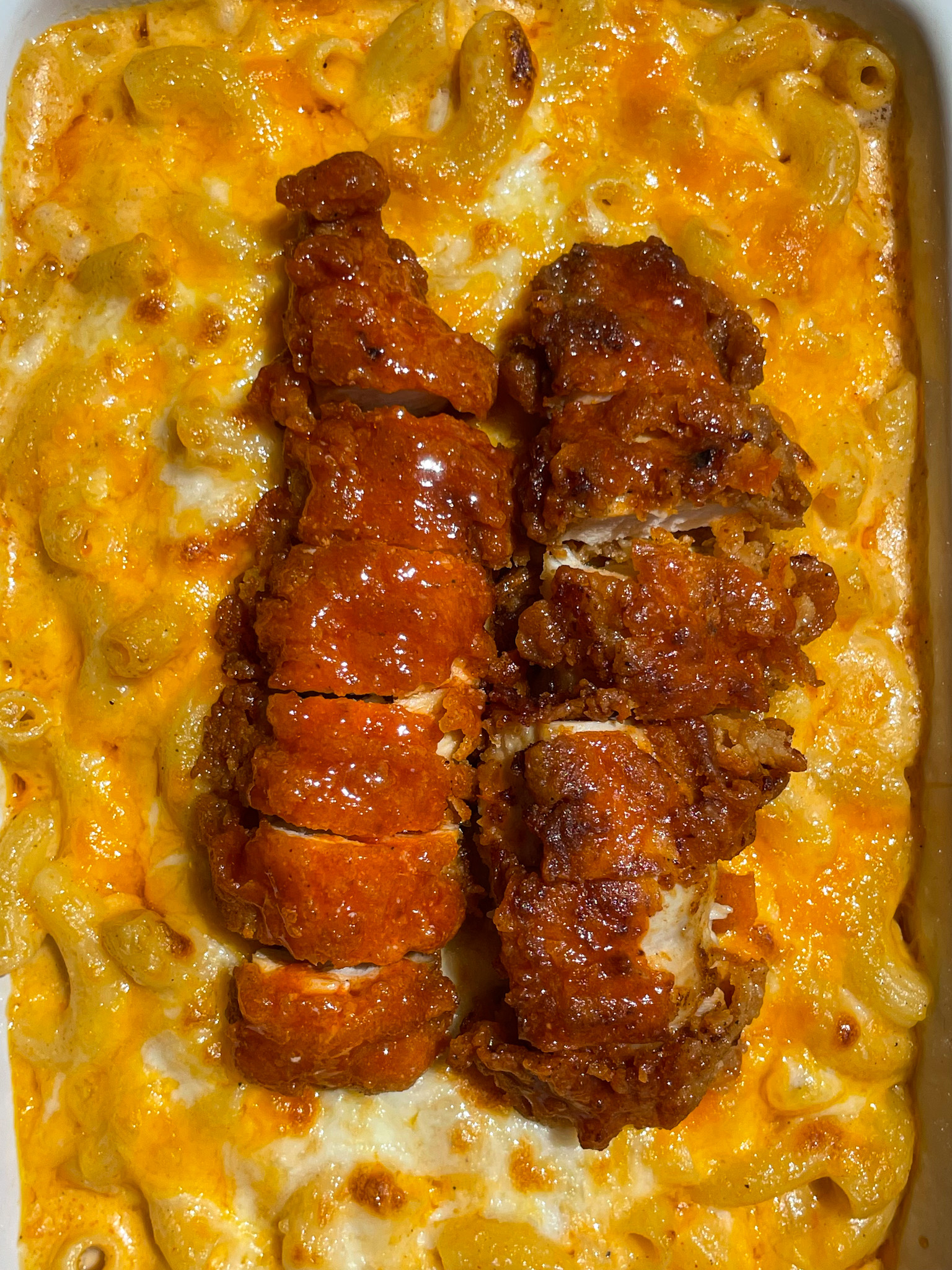
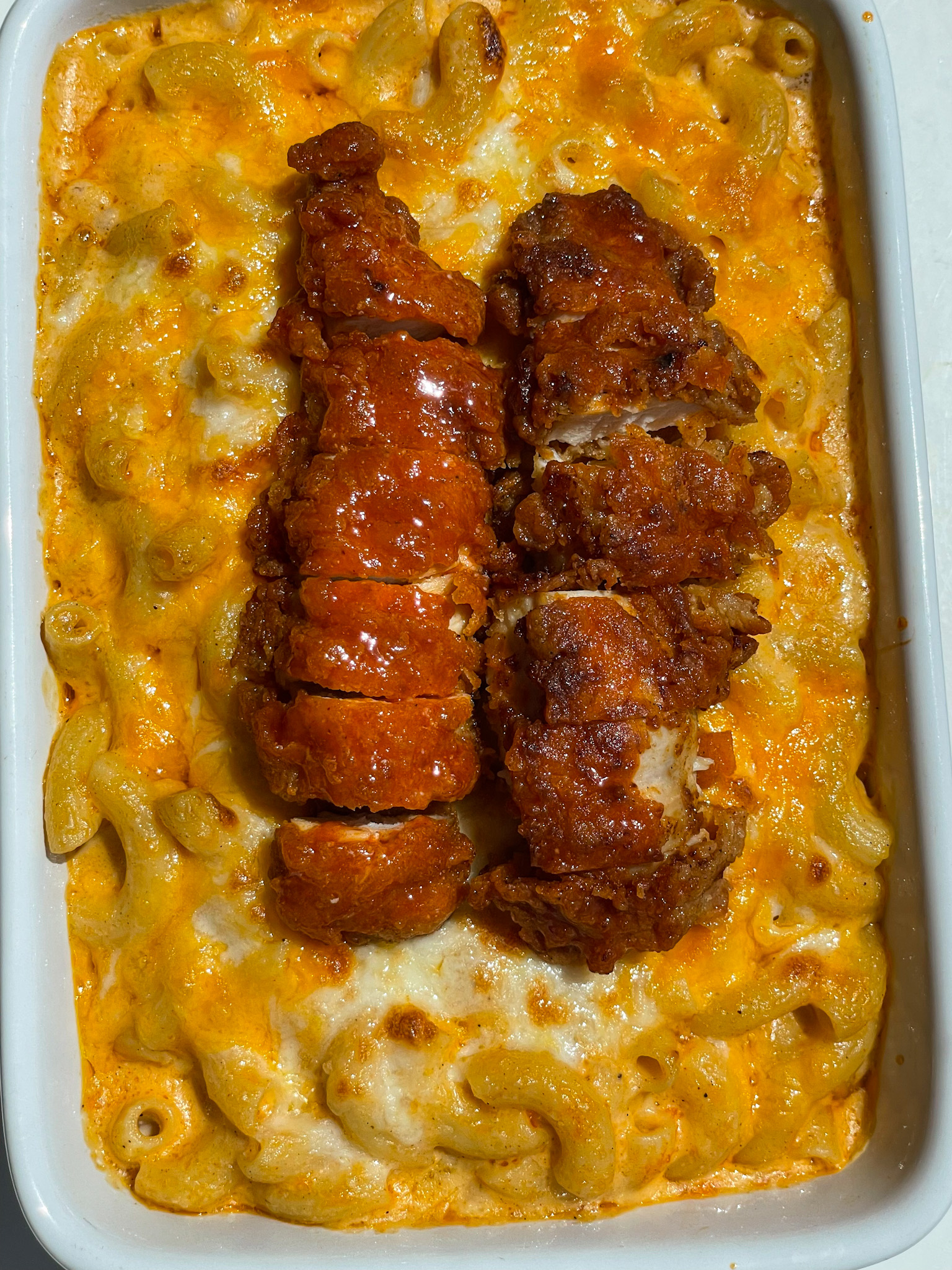
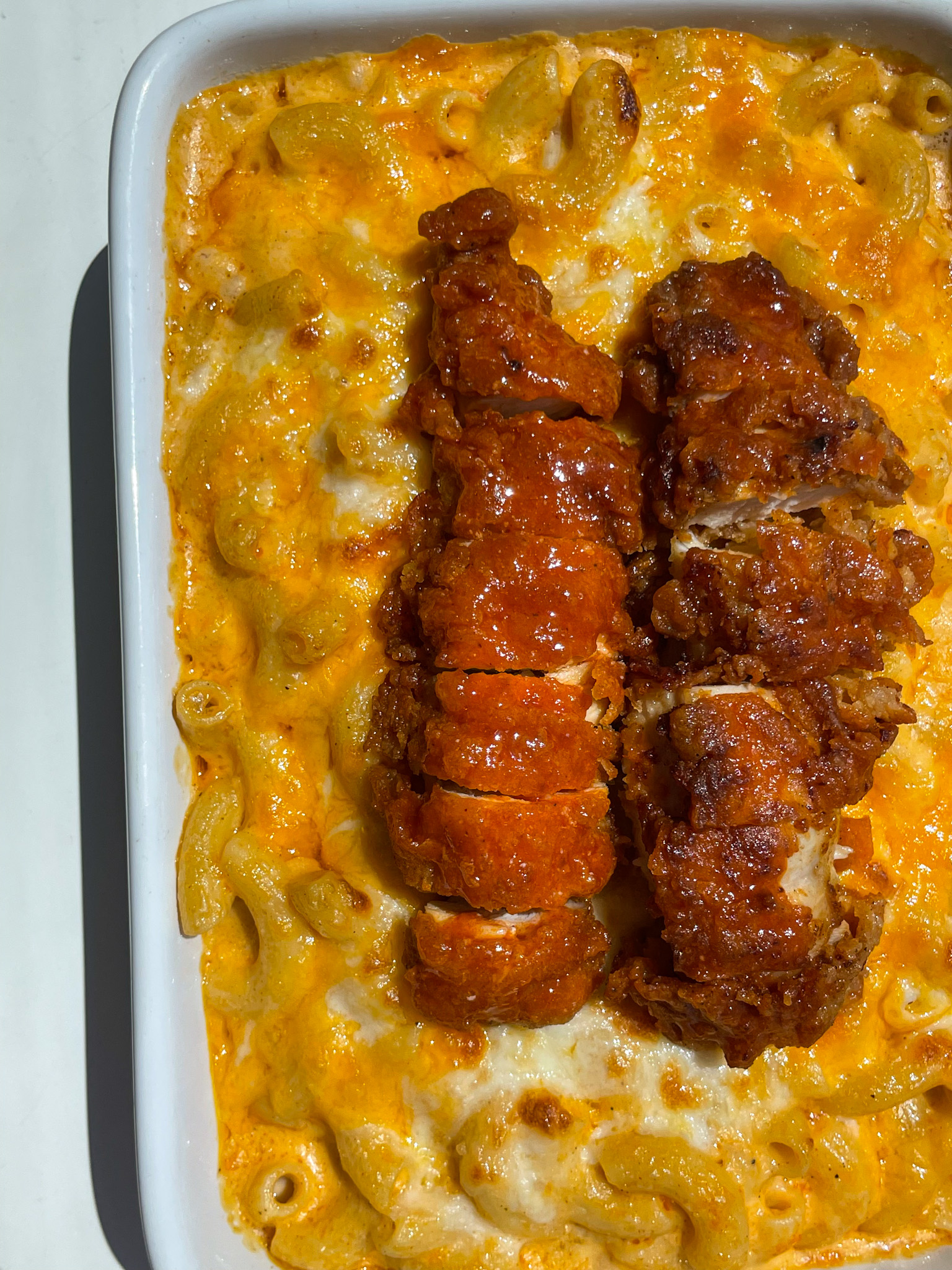
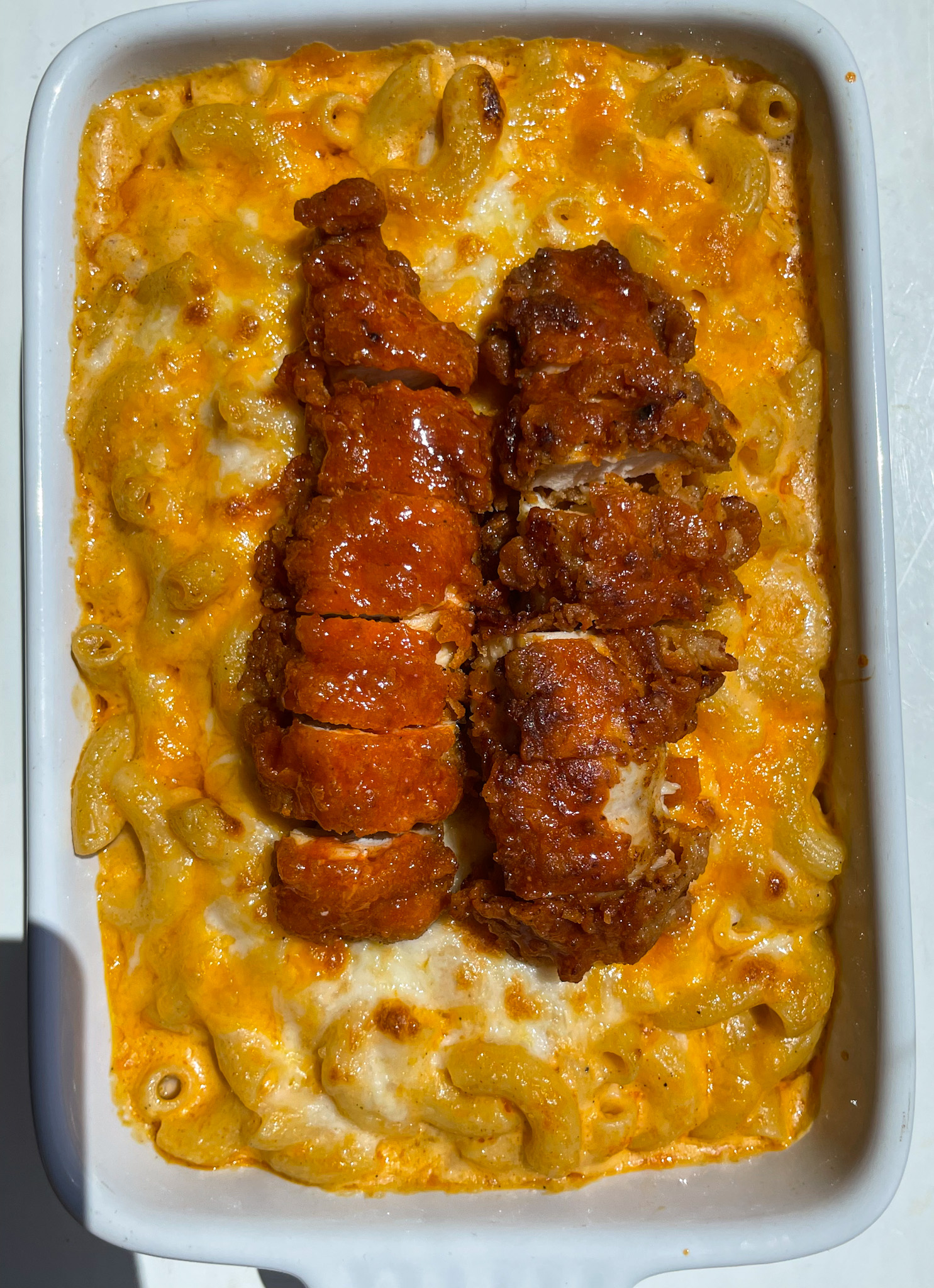
If you’re searching for the perfect Buffalo Chicken Mac recipe, you’ve come to the right place. This incredible dish combines two beloved comfort foods into one unforgettable meal. Imagine creamy, velvety macaroni and cheese topped with crispy, tangy buffalo chicken tenders that deliver the perfect balance of heat and flavor. This Buffalo Chicken Mac is more than just a meal—it’s an experience that will transform your dinner table into a celebration of bold flavors and satisfying textures.
Whether you’re planning a game day feast, hosting friends for a cozy night in, or simply craving something extraordinary, this Buffalo Chicken Mac delivers on every level. The rich cheese sauce hugs every piece of pasta while the zesty buffalo chicken adds an exciting kick that keeps you reaching for another bite. This recipe has been perfected to ensure you get restaurant-quality results right in your own kitchen.
Why This Buffalo Chicken Mac Recipe Is Special
What makes this Buffalo Chicken Mac stand out from ordinary mac and cheese recipes? The secret lies in the carefully crafted combination of premium ingredients and foolproof techniques. Unlike basic versions, this recipe features a multi-cheese blend that creates an incredibly smooth and flavorful sauce. The sharp cheddar provides that classic cheesy taste, while mozzarella adds stretchy, gooey perfection.
The buffalo chicken component elevates this dish from good to extraordinary. Each tender is breaded to golden perfection, creating a satisfying crunch that contrasts beautifully with the creamy pasta. The buffalo sauce coating delivers just the right amount of heat without overwhelming your palate. This thoughtful balance makes the Buffalo Chicken Mac appealing to both spice lovers and those who prefer milder flavors.
This recipe also offers incredible versatility. Serve it as a main course for dinner, bring it to potlucks where it’s guaranteed to disappear quickly, or prepare it for game day gatherings. The Buffalo Chicken Mac works equally well for casual weeknight meals and special occasions when you want to impress your guests with something memorable.
Key Ingredients That Make the Difference
The success of any Buffalo Chicken Mac depends heavily on ingredient quality and selection. For the cheese sauce, using freshly grated cheese rather than pre-shredded varieties makes a significant difference. Pre-shredded cheese contains anti-caking agents that prevent smooth melting, resulting in a grainy texture. Grating your own cheese ensures the silkiest, creamiest sauce possible.
Heavy cream adds luxurious richness to the sauce, creating that restaurant-quality consistency. The combination of sharp cheddar and mozzarella provides both bold flavor and perfect meltability. Some recipes also incorporate a touch of Parmesan for added depth and complexity.
For the chicken component, using quality chicken breasts ensures tender, juicy results. The breading mixture combines flour with carefully selected seasonings including paprika, garlic powder, and onion powder. These spices create layers of flavor that complement the buffalo sauce beautifully. Speaking of buffalo sauce, choose a brand you enjoy because its flavor will shine through in the finished dish.
Understanding the Perfect Cheese Sauce for Buffalo Chicken Mac
Creating the ideal cheese sauce forms the foundation of exceptional Buffalo Chicken Mac. The process begins with a roux, which is simply butter and flour cooked together until they form a paste. This roux acts as a thickening agent, giving your sauce that perfect consistency that coats pasta without being too thick or too thin.
The key to a smooth, lump-free sauce lies in the gradual incorporation of liquids. After creating your roux, slowly whisk in heavy cream while stirring constantly. This patient approach prevents lumps from forming and ensures even distribution of the flour throughout the liquid. As the mixture heats, it will begin to thicken naturally.
Once your base sauce reaches the right consistency, it’s time to add the star ingredient: cheese. Remove the pan from direct heat before adding cheese to prevent it from becoming grainy or separating. Add the cheese gradually, stirring until each addition melts completely before adding more. This method guarantees a silky-smooth sauce that makes your Buffalo Chicken Mac truly irresistible.
Achieving the Right Sauce Consistency
The perfect cheese sauce for Buffalo Chicken Mac should coat the back of a spoon without being too thick. If your sauce seems too thin, continue cooking it over low heat while stirring constantly. The mixture will naturally thicken as it reduces. Conversely, if the sauce becomes too thick, simply whisk in small amounts of cream or milk until you achieve the desired consistency.
Temperature control plays a crucial role in sauce preparation. Never let your cheese sauce boil, as high heat causes proteins in the cheese to tighten and separate, resulting in an oily, grainy texture. Maintain low to medium-low heat throughout the entire process. Patience during this step ensures your Buffalo Chicken Mac features a perfectly creamy, smooth cheese sauce.
Selecting the Best Cheese Combinations
While cheddar forms the backbone of most Buffalo Chicken Mac recipes, combining multiple cheeses creates more complex, interesting flavors. Sharp cheddar delivers that classic cheesy taste everyone loves. Mozzarella contributes excellent meltability and a mild, creamy flavor that balances sharper cheeses. Gruyère adds nutty sophistication, while Parmesan provides salty, umami depth.
Experiment with different ratios to find your perfect blend. A good starting point combines two parts sharp cheddar, one part mozzarella, and half part Parmesan. This ratio ensures bold cheese flavor while maintaining the creamy, smooth texture essential for outstanding Buffalo Chicken Mac. Remember to always grate cheese fresh rather than using pre-packaged shredded varieties.
Mastering Crispy Buffalo Chicken Tenders
The chicken component transforms ordinary mac and cheese into spectacular Buffalo Chicken Mac. Creating perfectly crispy tenders requires attention to several key factors. Start by cutting chicken breasts into uniform strips, ensuring they cook evenly. Pat the chicken dry with paper towels before breading, as excess moisture prevents proper breading adhesion and crispiness.
The breading station setup makes the process efficient and less messy. Arrange three shallow dishes: one containing seasoned flour, one with beaten eggs mixed with milk, and one with more seasoned flour. This double-coating method creates an extra-crispy crust that holds up beautifully when tossed in buffalo sauce.
Season both flour mixtures generously with salt, pepper, paprika, garlic powder, and onion powder. These seasonings infuse the breading with flavor that complements the buffalo sauce. Don’t skip the egg wash—it acts as glue that helps the second flour coating adhere properly, resulting in that satisfying crunch every great Buffalo Chicken Mac deserves.
Cooking Techniques for Perfect Tenders
When cooking chicken tenders for Buffalo Chicken Mac, you have several options. Pan-frying in oil creates incredibly crispy results with a deep golden color. Heat about half an inch of oil in a large skillet over medium-high heat. The oil should shimmer but not smoke. Cook tenders for three to four minutes per side until golden brown and cooked through.
For a lighter option, baking produces excellent results with less oil. Preheat your oven to 425°F and place breaded tenders on a wire rack set over a baking sheet. This setup allows hot air to circulate around the chicken, creating crispiness on all sides. Spray tenders lightly with cooking spray before baking for extra crunch. Bake for fifteen to eighteen minutes, flipping halfway through.
Air frying offers another fantastic method for preparing chicken tenders. This technique uses circulating hot air to create crispy exteriors while keeping interiors juicy. Arrange tenders in a single layer in your air fryer basket, working in batches if necessary. Cook at 400°F for twelve to fifteen minutes, flipping once halfway through.
Tossing in Buffalo Sauce
After cooking your chicken tenders, toss them in buffalo sauce while they’re still hot. The heat helps the sauce adhere better and creates that signature sticky coating. Use a large bowl to make tossing easier and more thorough. Pour buffalo sauce over the hot tenders and use tongs to coat each piece evenly.
The amount of buffalo sauce you use depends on personal preference. For mild Buffalo Chicken Mac, use about half cup of sauce for one pound of chicken. Spice lovers might prefer three-quarters cup or more for bolder flavor. You can always serve extra sauce on the side, allowing everyone to customize their heat level.
Step-by-Step Instructions for Buffalo Chicken Mac
Creating outstanding Buffalo Chicken Mac requires organization and timing. Begin by gathering all ingredients and equipment before you start cooking. This preparation ensures smooth workflow and prevents scrambling to find items mid-recipe. Start by cooking your macaroni according to package directions, but reduce cooking time by two minutes to achieve al dente texture.
While the pasta cooks, prepare your cheese sauce. Melt four tablespoons of unsalted butter in a large saucepan over medium heat. Once the butter melts completely, add four tablespoons of flour and whisk constantly for two minutes. This cooking time removes the raw flour taste while creating a golden roux that adds subtle nutty flavor to your Buffalo Chicken Mac.
Gradually pour in two cups of heavy cream while whisking continuously. The mixture will seem thin initially but will thicken as it heats. Add two cloves of minced garlic, half teaspoon each of salt and pepper, quarter teaspoon of garlic powder, and quarter teaspoon of paprika. Continue whisking until the sauce thickens enough to coat the back of a spoon.
Combining Pasta and Sauce
Once your sauce reaches the right consistency, reduce heat to low and add three cups of shredded sharp cheddar cheese and one cup of shredded mozzarella. Stir patiently until all cheese melts completely and the sauce becomes smooth and glossy. Avoid rushing this step, as proper cheese incorporation makes all the difference in your Buffalo Chicken Mac.
Drain your cooked pasta well but don’t rinse it. The residual starch on the pasta helps the cheese sauce adhere better. Add the drained macaroni directly to the cheese sauce and stir gently until every piece is thoroughly coated. The pasta will absorb some sauce as it sits, creating that perfect creamy consistency that defines excellent Buffalo Chicken Mac.
For best results, let the pasta and sauce meld together for a few minutes off the heat. This resting period allows flavors to marry and ensures the sauce coats every piece of macaroni evenly. If the mixture seems too thick, stir in small amounts of cream or reserved pasta water until you achieve ideal consistency.
Preparing and Adding Buffalo Chicken
While your mac and cheese comes together, focus on the buffalo chicken component. Cut two large chicken breasts into strips approximately three-quarters inch wide. Pat them thoroughly dry with paper towels. Set up your breading station with seasoned flour, egg wash, and another layer of seasoned flour.
Coat each chicken strip first in flour, shaking off excess. Dip into the egg mixture, allowing excess to drip off. Finally, coat again in the seasoned flour, pressing gently to ensure good adhesion. This double-coating creates the extra-crispy texture that makes Buffalo Chicken Mac so satisfying.
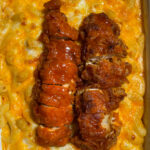
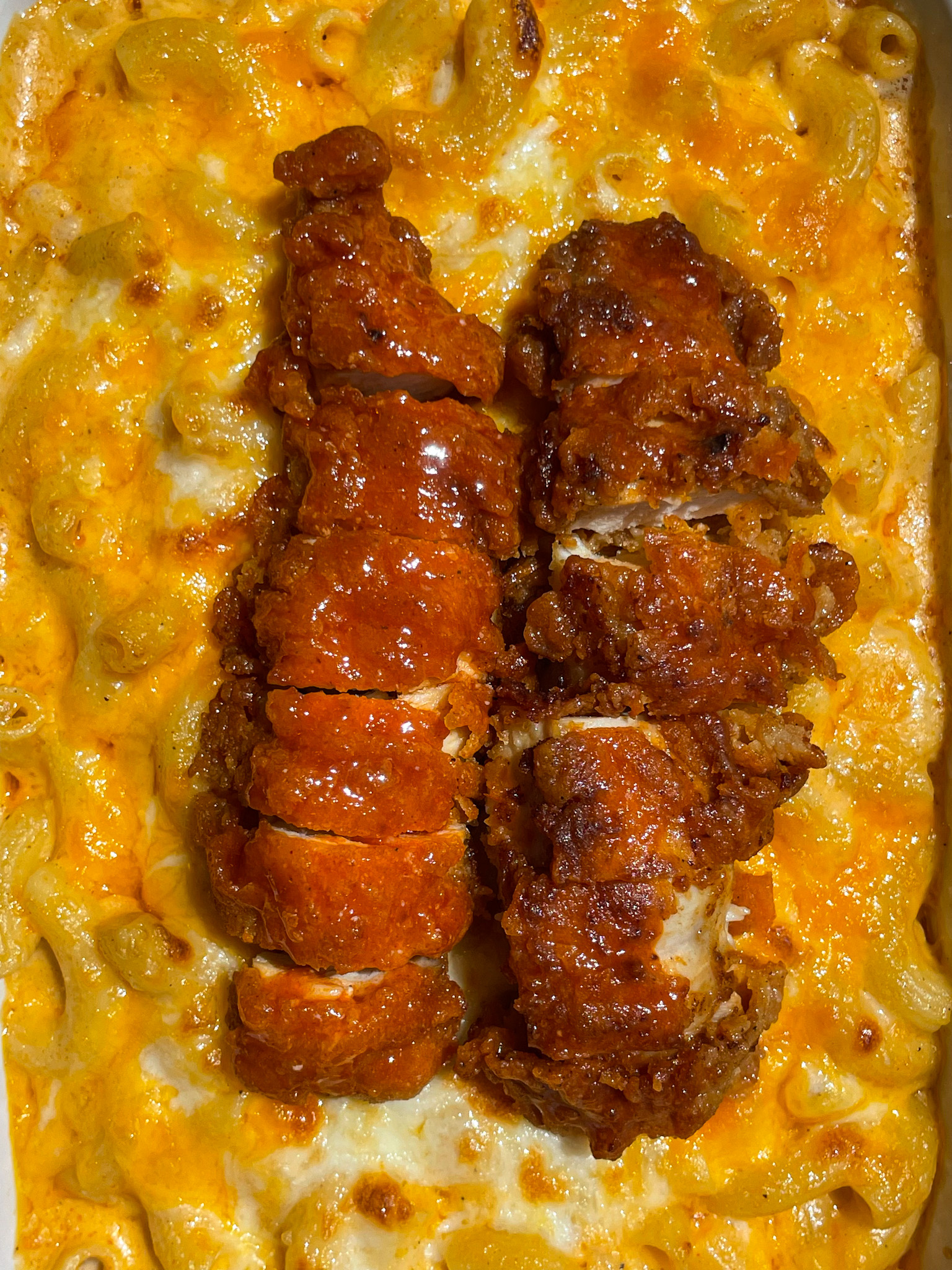
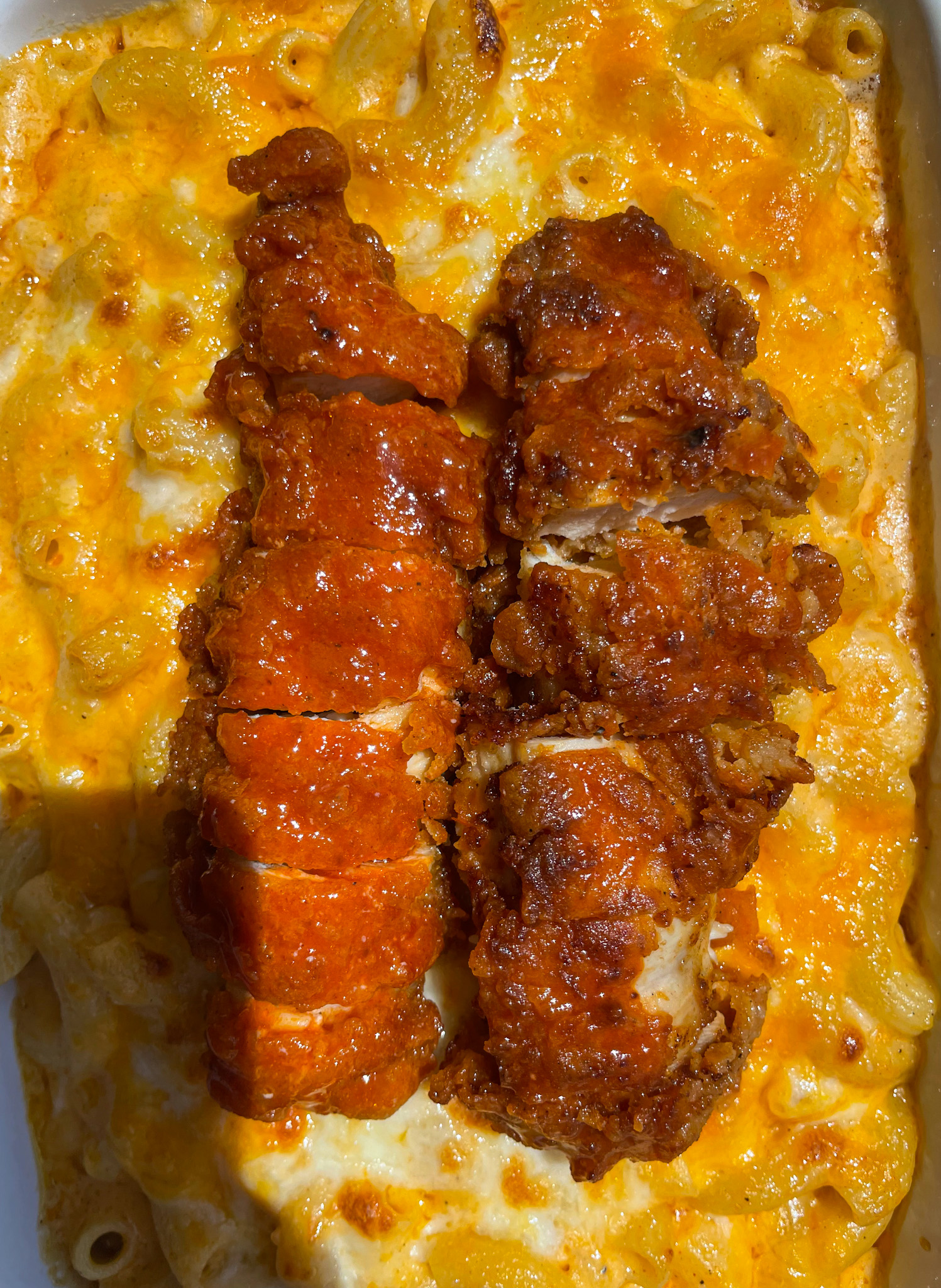
Cook the breaded tenders using your preferred method until golden brown and cooked through to an internal temperature of 165°F. Immediately toss the hot tenders in buffalo sauce. Arrange the saucy buffalo chicken over the prepared mac and cheese. The combination creates the ultimate Buffalo Chicken Mac experience that will have everyone asking for seconds.
Professional Tips for Restaurant-Quality Results
Elevating your Buffalo Chicken Mac from good to exceptional requires attention to several professional techniques. First, always bring your cream to room temperature before making the sauce. Cold cream added to hot roux can cause temperature shock, resulting in lumps or uneven thickening. This simple step ensures silky-smooth consistency.
Invest in quality buffalo sauce rather than making compromises. The sauce’s flavor significantly impacts the final dish, so choose a brand you genuinely enjoy. Frank’s RedHot is a classic choice, but feel free to experiment with different brands to find your favorite. Some buffalo sauces lean tangier while others emphasize heat, so select based on your preferences.
Don’t overcrowd the pan when cooking chicken tenders. Crowding causes steam to build up, which prevents proper browning and crispiness. Cook in batches if necessary, keeping finished tenders warm in a low oven while you complete the rest. This extra effort ensures every piece of chicken in your Buffalo Chicken Mac achieves that perfect golden crust.
Enhancing Flavor Depth
Layer flavors throughout your Buffalo Chicken Mac preparation for maximum impact. Season the pasta cooking water generously with salt—it should taste like seawater. This seasons the pasta from within, adding subtle flavor that enhances the overall dish. Many home cooks under-salt pasta water, resulting in bland noodles even when coated in flavorful sauce.
Consider adding a touch of Dijon mustard or hot sauce to your cheese sauce. Just a teaspoon adds complexity without making the sauce overtly spicy. These additions create depth that makes people wonder what makes your Buffalo Chicken Mac taste so special. The secret lies in these subtle flavor boosters that work behind the scenes.
Fresh herbs make wonderful garnishes that add brightness to rich, creamy dishes. Chopped fresh parsley, chives, or green onions provide color contrast and fresh flavor that cuts through the richness. Sprinkle herbs over your Buffalo Chicken Mac just before serving for professional presentation and enhanced taste.
Texture Considerations
Great Buffalo Chicken Mac features multiple textural elements that keep each bite interesting. The creamy cheese sauce provides smooth richness, while the crispy chicken offers satisfying crunch. Consider adding additional textural elements like toasted breadcrumbs on top or crispy bacon pieces mixed throughout.
For extra crunch, reserve some plain breaded chicken pieces before tossing in buffalo sauce. This allows guests who prefer less heat to enjoy crispy chicken without the spicy coating. Alternatively, offer plain and buffalo-coated tenders separately, letting everyone customize their Buffalo Chicken Mac experience.
Common Mistakes to Avoid
Even experienced cooks can stumble when preparing Buffalo Chicken Mac. One frequent mistake involves using pre-shredded cheese, which contains additives that prevent smooth melting. These anti-caking agents create grainy, separated sauce that never achieves proper creaminess. Always grate cheese fresh from a block for best results.
Overcooking pasta ranks among the most common errors. Remember that pasta continues cooking slightly when mixed with hot cheese sauce. Cook macaroni just until al dente, when it still has slight firmness in the center. Overcooked pasta becomes mushy and can’t hold its shape, ruining the texture of your Buffalo Chicken Mac.
Another mistake involves adding cheese to sauce that’s too hot. High heat causes cheese proteins to tighten and separate, resulting in grainy, oily sauce. Always reduce heat to low or remove the pan from heat entirely before adding cheese. Stir patiently until each addition melts completely before adding more.
Timing and Temperature Errors
Preparing components in the wrong order causes timing issues that affect quality. Start by making your cheese sauce first since it holds well over very low heat. Cook pasta next, timing it to finish just before you’re ready to combine everything. Prepare chicken tenders last so they’re hot and crispy when served atop your Buffalo Chicken Mac.
Temperature management throughout cooking prevents various problems. Never let cheese sauce boil, as this causes separation and graininess. Keep finished mac and cheese warm over very low heat, stirring occasionally to prevent sticking. If the sauce thickens too much while waiting, stir in small amounts of cream to restore proper consistency.
Serving and Storage Issues
Serving Buffalo Chicken Mac incorrectly diminishes the experience. This dish tastes best served immediately while everything remains hot and the chicken stays crispy. If you must hold it before serving, keep components separate until the last moment. Store mac and cheese in a warm oven and arrange chicken on top just before bringing to the table.
Leftovers require special handling to maintain quality. Store mac and cheese and buffalo chicken separately in airtight containers. The chicken will lose its crispiness regardless, but storing it separately from the pasta prevents the breading from becoming completely soggy. Refrigerate both components and consume within three days for best quality and food safety.
Creative Variations to Try
Once you master basic Buffalo Chicken Mac, experiment with creative variations that put new spins on this classic combination. Try different cheese blends like pepper jack for extra heat, smoked gouda for depth, or fontina for ultra-smooth creaminess. Each cheese brings unique characteristics that transform the dish while maintaining the beloved Buffalo Chicken Mac concept.
Incorporate vegetables to add nutrition and freshness. Roasted broccoli florets, sautéed bell peppers, or diced tomatoes complement the rich, spicy flavors beautifully. These additions provide color contrast and textural variety while making the dish feel more balanced and substantial.
Adjust spice levels to accommodate different preferences. For milder Buffalo Chicken Mac, use less buffalo sauce or mix it with ranch dressing to temper the heat. For extra kick, add cayenne pepper to the cheese sauce or use extra-hot buffalo sauce. You might also offer both mild and spicy versions side by side at gatherings.
Protein Alternatives
While chicken forms the traditional base, other proteins create interesting Buffalo Chicken Mac variations. Buffalo shrimp offers a seafood twist that cooks quickly and brings sweet, briny flavor. Prepare breaded shrimp similarly to chicken tenders, adjusting cooking time for their smaller size.
Ground turkey or chicken provides an economical alternative that’s easier to prepare. Brown the ground meat with taco seasoning, then toss with buffalo sauce before mixing into or topping the mac and cheese. This variation creates a more integrated Buffalo Chicken Mac where meat distributes throughout rather than sitting on top.
For vegetarian versions, substitute buffalo cauliflower florets for chicken. Bread and bake cauliflower pieces just like chicken tenders, then toss in buffalo sauce. The cauliflower provides similar textural contrast while keeping the dish meat-free. This adaptation proves that Buffalo Chicken Mac concepts work with various ingredients.
Baked Version Enhancements
Transform your Buffalo Chicken Mac into a comforting baked casserole perfect for potlucks and family gatherings. After combining pasta and cheese sauce, transfer everything to a greased baking dish. Top with buffalo chicken pieces, then sprinkle with additional shredded cheese and panko breadcrumbs mixed with melted butter.
Bake at 350°F for twenty-five to thirty minutes until the top turns golden brown and the edges bubble. This method creates a slightly different texture with crispy top and ultra-creamy interior. The baked approach also makes Buffalo Chicken Mac easier to transport and serve at gatherings.
Add a drizzle of ranch dressing or blue cheese dressing over the top before serving the baked version. These cooling elements balance the buffalo heat while adding tangy flavor that complements the cheese. Garnish with chopped celery leaves for a nod to traditional buffalo wing accompaniments.
Storage and Reheating Guidelines
Proper storage ensures your Buffalo Chicken Mac maintains quality and remains safe to eat. Allow leftovers to cool to room temperature before refrigerating, but don’t leave them out longer than two hours to prevent bacterial growth. Transfer mac and cheese to airtight containers, storing buffalo chicken separately if possible.
Refrigerated Buffalo Chicken Mac keeps for three to four days. Beyond this timeframe, quality deteriorates and food safety risks increase. If you won’t consume leftovers within this window, consider freezing portions for longer storage. Mac and cheese freezes reasonably well, though the texture changes slightly upon reheating.
When freezing, portion Buffalo Chicken Mac into individual servings for easier reheating later. Use freezer-safe containers or heavy-duty freezer bags, removing as much air as possible to prevent freezer burn. Label containers with contents and date. Frozen Buffalo Chicken Mac maintains good quality for up to three months.
Reheating Methods
Reheating Buffalo Chicken Mac properly restores much of its original appeal. For stovetop reheating, place mac and cheese in a saucepan over medium-low heat. Add splashes of milk or cream while stirring frequently to prevent sticking and restore creaminess. Heat until warmed through, then top with reheated buffalo chicken.
Microwave reheating offers convenience for single portions. Place Buffalo Chicken Mac in a microwave-safe dish and add a tablespoon of milk or cream. Cover with a damp paper towel to prevent drying. Heat in thirty-second intervals, stirring between each, until heated through. The chicken won’t regain its original crispiness, but the dish will still taste delicious.
For baked versions or when reheating larger quantities, use the oven. Preheat to 350°F and transfer Buffalo Chicken Mac to an oven-safe dish. Cover with foil to prevent excessive browning and drying. Heat for twenty to twenty-five minutes until warmed through. Remove foil during the last five minutes to crisp the top slightly.
Frequently Asked Questions About Buffalo Chicken Mac
Can I Make Buffalo Chicken Mac Ahead of Time?
Yes, you can prepare components of Buffalo Chicken Mac ahead for easier serving. Make the cheese sauce up to two days in advance, storing it covered in the refrigerator. Reheat gently over low heat, adding cream to restore consistency. Cook and bread chicken tenders ahead, storing uncooked breaded pieces in the refrigerator for up to twenty-four hours.
However, avoid fully assembling Buffalo Chicken Mac more than an hour before serving. The chicken loses crispiness quickly when sitting on moist pasta. For best results, cook pasta fresh, reheat cheese sauce, and cook chicken tenders just before serving. This approach maintains optimal texture while still saving time through advance preparation.
What Should I Serve with This Dish?
Buffalo Chicken Mac serves as a substantial main course that needs only light accompaniments. A crisp green salad with ranch or blue cheese dressing provides refreshing contrast to the rich, spicy pasta. Simple roasted or steamed vegetables like green beans, asparagus, or Brussels sprouts add color and nutrition without competing with bold flavors.
Celery and carrot sticks echo traditional buffalo wing accompaniments while adding crunchy freshness. Cornbread or garlic bread makes excellent sides for soaking up extra cheese sauce. For casual gatherings, Buffalo Chicken Mac works beautifully as part of a larger spread alongside other comfort foods.
How Can I Reduce the Heat Level?
Several strategies reduce heat while maintaining Buffalo Chicken Mac’s signature flavor. Use less buffalo sauce on the chicken or dilute it with melted butter for milder coating. Mix buffalo sauce with ranch dressing before tossing with chicken to temper spiciness while adding tangy creaminess.
Choose mild buffalo sauce varieties rather than medium or hot options. Serve cooling elements like ranch dressing, blue cheese dressing, or sour cream on the side so people can add as desired. Increasing the ratio of cheese sauce to buffalo chicken also reduces overall heat perception by providing more creamy, mild components.
Can I Use Different Pasta Shapes?
While elbow macaroni remains traditional, other pasta shapes work wonderfully in Buffalo Chicken Mac. Cavatappi’s spiral shape catches sauce beautifully and looks impressive. Shell pasta creates little pockets that hold cheese sauce perfectly. Penne or rigatoni offer sturdier options that hold up well if baking the dish.
Choose pasta with texture and shape that captures sauce well. Avoid very delicate pastas like angel hair that might break apart during mixing. Medium-sized shapes work best, providing good sauce-to-pasta ratio without overwhelming the dish. Whatever shape you choose, remember to cook just until al dente for best results.
Is Buffalo Chicken Mac Freezer-Friendly?
Buffalo Chicken Mac can be frozen, though some texture changes occur. The cheese sauce may separate slightly upon thawing and reheating, requiring extra stirring and possibly additional cream to restore smoothness. The chicken definitely loses its crispiness completely when frozen and reheated, becoming softer and less appealing texturally.
For best freezer results, freeze only the mac and cheese component without the buffalo chicken. Thaw overnight in the refrigerator, then reheat gently while stirring in cream to restore texture. Prepare fresh buffalo chicken to serve alongside the reheated mac and cheese. This approach maintains better overall quality than freezing the complete assembled dish.
Final Thoughts on Buffalo Chicken Mac
This Buffalo Chicken Mac recipe delivers everything you want in comfort food—creamy richness, satisfying textures, and bold flavors that excite your palate. The combination of silky cheese sauce with spicy, crispy buffalo chicken creates a dish that’s greater than the sum of its parts. Whether serving family, entertaining friends, or treating yourself to something special, this recipe never disappoints.
Don’t hesitate to make this Buffalo Chicken Mac your own through creative variations and personal touches. Adjust spice levels, experiment with different cheeses, or add favorite vegetables. The versatile nature of this dish means it adapts beautifully to different preferences and occasions while maintaining its delicious core appeal.
Gather your ingredients, follow these detailed instructions, and prepare to create Buffalo Chicken Mac that rivals any restaurant version. Your kitchen will smell amazing, and the satisfied smiles around your table will prove this recipe deserves a permanent spot in your cooking rotation. Enjoy every creamy, spicy, comforting bite of this exceptional dish!
Watch the recipe video for more clarity
See our similar Recipes:
People also like our these recipes:
THE MAC AND CHEESE
- 250 g elbow macaroni
- 2 tbsp unsalted butter
- 3-4 garlic cloves minced
- 1 tbsp flour
- 2 cups heavy cream
- Salt and pepper
- 1 tsp paprika
- 1 tsp onion powder
- 1 tsp garlic powder
- 2 tsp buffalo hot sauce
- 1/2 cup pasta water
THE BUFFALO CHICKEN TENDERS
- 10 chicken tenders
- 1 cup buttermilk
- 1/4 cup buffalo sauce
- Salt and pepper
- 1 tsp garlic powder
- 1 tsp onion powder
FLOUR COATING
- 1 cup flour
- Salt and pepper
- 1 tsp garlic powder
- 1 tsp onion powder
- 1 tbsp paprika
EGG COATING
- 1 egg
- 1/2 cup buttermilk
- 1 tbsp buffalo sauce
- Salt and pepper
TO MAKE THE MAC AND CHEESE
Start by cooking the pasta in well salted boiling water and leave it till al Dante.
In a saucepan, add in the butter, minced garlic and let it simmer until fragrant.
Add in the flour and mix well. Slowly add in the heavy cream while whisking.
Add in all the spices and buffalo sauce.
Add in both types of cheese, pasta water and mix. Let it cook until it starts to simmer.
Add in the cooked pasta and mix well.
Broil the mac and cheese at 180 Celsius degrees until slightly golden.
TO MAKE THE BUFFALO CHICKEN TENDERS
To marinate the chicken in a bowl, add in the chicken tenders, buttermilk, all spices, buffalo sauce and mix. Let it marinate for at least 2 hours.
To make the first coating, in a bowl, add in the flour, spices and mix.
To make the second coating, in a bowl, add in the egg, buttermilk, buffalo sauce and spices. Mix well.
Start by coating the chicken in the flour mix, then in the egg mix, then once again in the flour mix. Let it rest for 10 minutes before frying.
Fry until golden brown.
Brush with buffalo sauce and top it onto the mac and cheese!
If you've given this recipe a try and it won you over, please share your thoughts by leaving
a rating and comment below! If you have any questions about this recipe, don't hesitate to ask – I'm here to
help and will respond promptly.